
Archival ink claims often sound impressive, but they can be misleading without proper testing and transparency. Many brands use vague terms like “long-lasting” or “fade-proof” without backing them up with scientific proof. You need to check real test results, certifications, and the ink’s chemical stability to guarantee it truly resists fading, discoloration, and environmental damage. If you want to protect your artwork or documents, understanding these factors can make a big difference as you explore further.
Key Takeaways
- Marketing claims of “archival quality” often lack detailed testing results, requiring careful verification.
- Inks’ chemical composition and formulation determine true longevity and resistance to fading.
- Proper testing for lightfastness, moisture, and environmental factors ensures ink durability.
- Pigment-based inks generally offer better stability and color fastness than dye-based alternatives.
- Certifications and scientific data are essential to confirm an ink’s long-term archival performance.
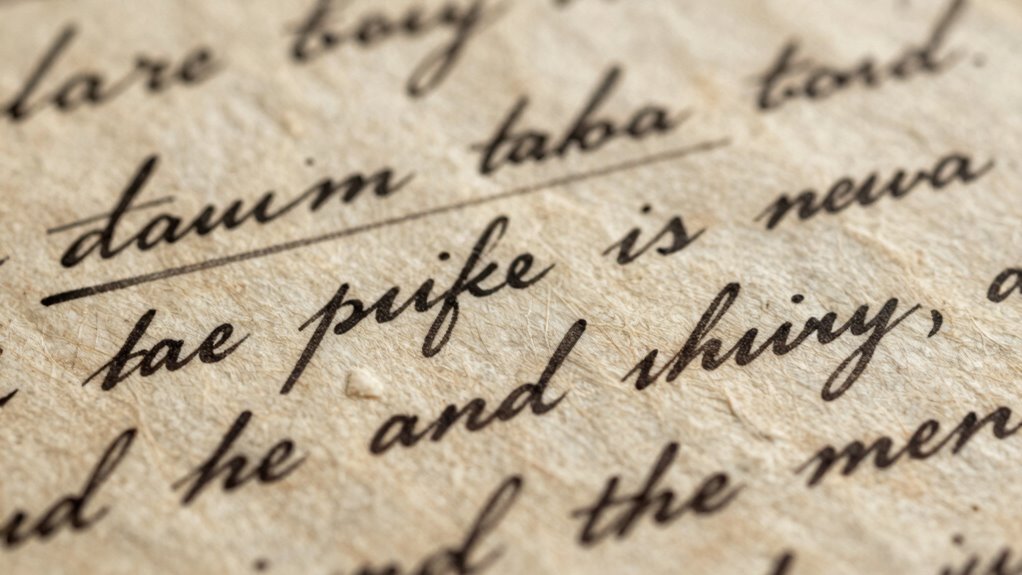
When it comes to preserving your valuable documents and artwork, archival ink plays a vital role in ensuring longevity. You want your pieces to remain vibrant and intact over time, and understanding what makes an ink genuinely archival is crucial. Many claims about archival ink focus on ink longevity and color fastness, but these aspects deserve a closer look. Ink longevity refers to how long the ink can resist fading when exposed to light, air, and environmental factors. You might see products advertised as “long-lasting,” but the real test is how well the ink holds up after decades or even centuries. If the ink isn’t resistant to fading, your artwork or documents could lose their vibrancy and detail, defeating the purpose of using archival quality in the first place.
Color fastness is another essential factor that often gets overlooked in marketing claims. It’s not enough for ink to simply be labeled “archival” if it doesn’t maintain its original hue under various conditions. Color fastness ensures that the ink retains its hue without bleeding, smudging, or shifting over time. When you’re choosing an archival ink, you want assurance that the colors will stay true, whether exposed to sunlight or stored in less-than-ideal conditions. Many products claim to be fade-proof, but the actual performance depends on the composition of the ink and its resistance to environmental stressors. Without proper testing and verification, these claims can be misleading.
You should also consider the importance of the ink’s chemical stability. Some inks contain dyes that are more susceptible to deterioration, while pigment-based inks usually provide better longevity and color fastness. However, not all pigment inks are created equal, and some may still fade or discolor over time if not formulated properly. It’s worth scrutinizing the manufacturer’s testing procedures and certifications to confirm their claims. Reliable archival inks are often tested for lightfastness, acid-free properties, and resistance to moisture and temperature changes. These factors contribute significantly to whether the ink will truly stand the test of time. Additionally, understanding the testing procedures and certifications provided by manufacturers can help you determine the reliability of their claims. It’s also helpful to know that advancements in ink formulation continue to improve the durability of archival inks, making it increasingly important to stay informed about the latest developments. Furthermore, staying updated on industry standards can help you identify truly archival quality products.
In essence, the claims made about archival ink should be examined with a critical eye. Don’t take marketing statements at face value. Instead, look for detailed testing results and scientific backing to ensure that the ink you choose will genuinely preserve your work. Your documents and artwork deserve the best protection available, and understanding the real meaning behind ink longevity and color fastness will help you make informed decisions.
As an affiliate, we earn on qualifying purchases.
Frequently Asked Questions
Are Archival Ink Claims Regulated by Any Industry Standards?
Archival ink claims are somewhat regulated by industry standards, especially in historical preservation. You should look for inks with archival certification, which guarantees they meet specific longevity and stability criteria. While there aren’t universal regulations, reputable manufacturers adhere to these standards, guaranteeing your work maintains its quality over time. Always verify the archival certification to ensure your ink aligns with industry standards for durability and historical preservation.
How Long Do Archival Inks Typically Last in Different Environments?
Like a timeless masterpiece, archival inks can last decades, but their longevity varies with environment. In protected indoor settings, expect UV resistance to keep colors vibrant for 100 years or more, with minimal color fading. Outdoors, exposure to sunlight accelerates degradation, reducing lifespan to 20-50 years. Humidity and temperature fluctuations further influence durability, making it essential to take into account environmental factors when evaluating how long archival inks will truly last.
Can Archival Inks Be Used on All Types of Paper and Surfaces?
Archival inks aren’t suitable for all paper types or surfaces because of paper compatibility and surface adhesion issues. You should test these inks on different materials first, as they work best on acid-free, smooth surfaces like fine art paper or canvas. Some porous or rough surfaces may cause uneven adhesion or fading over time. Always check the ink’s compatibility with your specific surface to guarantee longevity and vibrant results.
Do Archival Inks Contain Any Harmful Chemicals or VOCS?
Archival inks generally contain chemicals that guarantee durability, but their chemical composition can include substances like solvents or dyes, which might emit VOCs. While many brands prioritize environmental safety, some inks may still pose risks if used improperly or in poorly ventilated areas. It’s essential to check the product labels and safety data sheets to understand their chemical makeup and ensure you’re choosing inks that meet safety and environmental standards.
What Are Common Misconceptions About Archival Ink Durability?
Many believe archival ink durability is absolute, but colorfastness issues can still occur over time, especially if exposed to light or moisture. You might assume these inks last forever, yet environmental impact plays a role in their longevity; some inks degrade faster due to chemical composition. Recognizing that durability varies helps you choose the right ink, ensuring your work remains vibrant and protected against environmental factors.
As an affiliate, we earn on qualifying purchases.
Conclusion
So, next time someone boasts about archival ink, remember it’s not a magical potion that defies time. It’s more like promising eternal youth after a weekend binge—sounds impressive, but might not hold up against the relentless march of decay. Don’t be fooled by the shiny label; your precious memories deserve more than just a marketing fairy tale. In the end, even the best ink can’t outwit the relentless sands of time—so choose wisely.
As an affiliate, we earn on qualifying purchases.
As an affiliate, we earn on qualifying purchases.