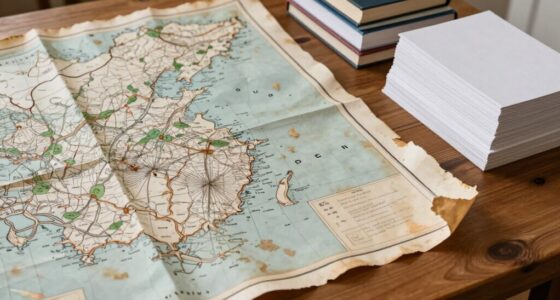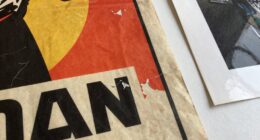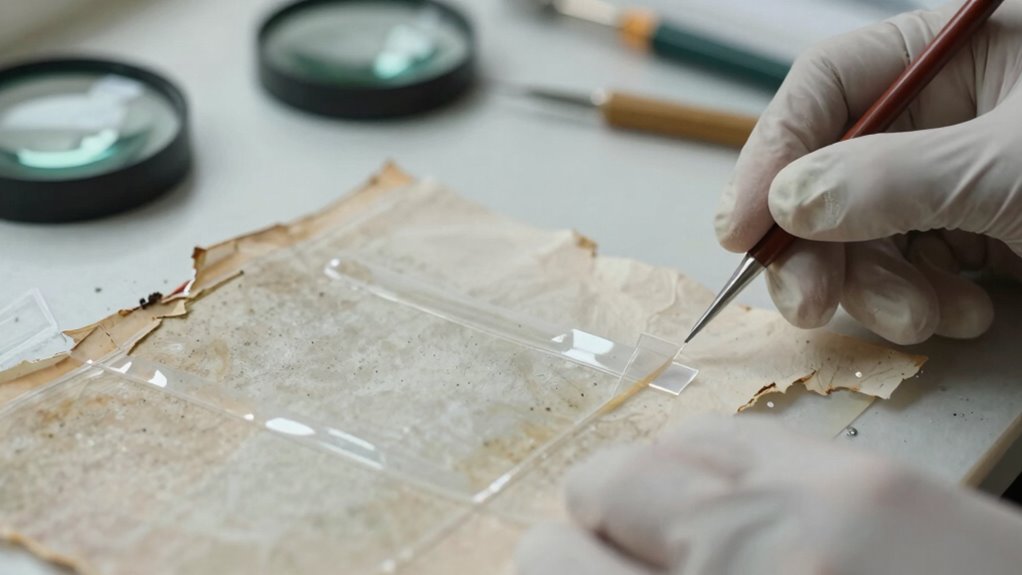
In conservation labs, you’ll see experts carefully repair tears by aligning torn edges and choosing reversible adhesives to keep the artifact’s integrity intact. They fill losses with matching materials that don’t alter the surface or weaken the structure. To remove surface dirt, they gently brush or use mild solvents, ensuring no damage occurs. These skilled professionals also handle artifacts with proper tools and under controlled environments to prevent further harm. Keep exploring to discover more about these precise techniques.
Key Takeaways
- Tears are repaired using reversible adhesives and precise edge alignment to restore structural integrity without damaging the artifact.
- Losses are stabilized with compatible fillers or reintegration techniques that match the original material and appearance.
- Surface dirt is gently removed with soft brushes, specialized vacuums, or mild solvents after testing for safety.
- Conservation labs use environmental controls to prevent further deterioration during cleaning and repair processes.
- Proper handling and supportive tools minimize stress and damage during treatment of tears, losses, and dirt removal.
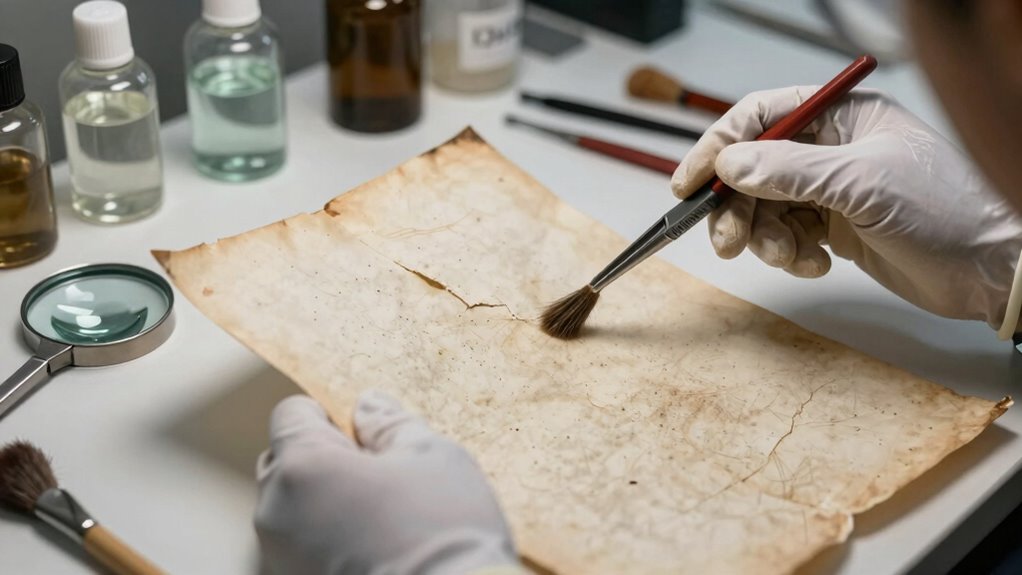
Handling tears, losses, and surface dirt is an essential part of conservation work, requiring careful techniques to preserve the integrity of artifacts. When you face tears or fragile areas, your first step is material stabilization. This process involves selecting appropriate adhesives or consolidants that are reversible and compatible with the artifact’s materials. You need to guarantee that these substances reinforce weakened areas without causing further damage or discoloration. Carefully aligning torn edges and applying stabilization materials with precision helps prevent the tear from worsening, maintaining the piece’s structural integrity. To enhance the effectiveness of stabilization, understanding the material properties of the artifacts is crucial. Environmental controls play a significant role throughout this process. You must work in a controlled environment where temperature, humidity, and light levels are carefully regulated. Fluctuations can cause materials to expand or contract, worsening existing damage or creating new tears. Using climate-controlled rooms or portable environmental controls allows you to maintain stable conditions, which is essential during delicate stabilization procedures. These controls also help prevent further deterioration caused by environmental factors, safeguarding the artifact remains in ideal condition during treatment. Surface dirt removal is another essential aspect of conservation that demands meticulous attention. You’ll typically start by gently removing loose dirt and dust with soft brushes or specialized vacuum systems designed for delicate surfaces. For stubborn grime, you might employ mild solvents or aqueous solutions, but only after testing on small, inconspicuous areas to avoid unintended reactions. The key is to clean thoroughly without stripping away the artifact’s original surface or damaging its details. Surface dirt removal not only improves appearance but also reduces the risk of chemical interactions that could accelerate deterioration over time. Maintaining a controlled environment throughout the process is crucial, as it minimizes environmental fluctuations that could further harm fragile artifacts. Proper handling techniques, such as supporting fragile objects, are essential to prevent additional stress or damage during cleaning and stabilization. Additionally, understanding the material composition of the artifacts helps tailor cleaning methods to prevent unintended degradation. To ensure the safety of delicate surfaces, using appropriate cleaning tools is vital for precise removal of dirt without risking damage. Throughout these processes, your focus remains on balancing intervention with preservation. Material stabilization techniques work hand-in-hand with environmental controls to create a safe space where artifacts can be repaired and cleaned without risking further harm. You need to be precise and patient, understanding that each artifact is unique and requires tailored approaches. Proper handling and conservation not only restore the object’s physical state but also extend its lifespan, allowing future generations to appreciate the history embedded within each piece. By respecting the delicate balance of materials and environment, you guarantee that your conservation efforts effectively safeguard cultural heritage for years to come.
reversible conservation adhesives
As an affiliate, we earn on qualifying purchases.
As an affiliate, we earn on qualifying purchases.
Frequently Asked Questions
How Do Conservation Labs Prioritize Which Artifacts to Restore First?
You’re likely to find that conservation labs prioritize artifacts based on material analysis and ethical considerations. They assess the artifact’s significance, fragility, and preservation needs, ensuring urgent or valuable pieces are stabilized first. Ethical considerations guide decisions about respecting cultural importance and avoiding unnecessary interventions. By carefully analyzing materials and weighing ethical factors, labs make informed choices to protect artifacts effectively, balancing preservation priorities with respectful treatment.
What Are the Costs Associated With Restoration of Damaged Artifacts?
Restoring damaged artifacts is like repairing a delicate tapestry, with costs varying based on material analysis and ethical considerations. You’ll find expenses include specialized tools, materials, and skilled labor, which can add up quickly. Ethical considerations influence choices, ensuring preservation respects cultural significance. You should prepare for potential unseen costs, as complex repairs demand careful planning, balancing financial investment with respect for the artifact’s integrity and historical value.
How Do Labs Ensure Long-Term Preservation After Repairs?
You can guarantee long-term preservation by adhering to ethical considerations, like minimally invasive repairs and respect for the artifact’s integrity. Conservation labs leverage technological advancements, such as advanced imaging and stabilization materials, to monitor and maintain artifacts over time. Regular assessments and proper storage conditions also play crucial roles, helping you preserve artifacts effectively while honoring their historical significance and ensuring they remain accessible for future generations.
Can Damaged Artifacts Be Restored to Their Original State?
Yes, damaged artifacts can often be restored to their original state through careful conservation techniques. You’ll undergo material analysis to understand the artifact’s composition, ensuring appropriate restoration methods. Ethical considerations guide decisions, balancing restoration with preserving authenticity. Conservation experts meticulously repair tears, fill losses, and clean surfaces, aiming to restore the artifact’s appearance while respecting its historical integrity. This process helps maintain the artifact’s story for future generations.
What Training Is Required for Conservation Professionals?
You need specialized training to become a conservation professional, starting with a strong foundation in material analysis and ethics. Your education involves hands-on experience, understanding delicate materials, and managing ethical considerations carefully. As you progress, you’ll learn to assess damage accurately and make critical decisions. This rigorous process prepares you to restore artifacts responsibly, ensuring preservation without compromising their integrity, all while handling unpredictable challenges with confidence.
As an affiliate, we earn on qualifying purchases.
Conclusion
In conservation labs, handling tears, losses, and surface dirt requires precision and care. Did you know that over 70% of artifacts benefit from surface cleaning before repair? By carefully addressing these issues, you help preserve history for future generations. Your efforts guarantee artifacts stay stable and intact, allowing stories to be told for years to come. Every small step you take makes a big difference in safeguarding our shared cultural heritage.
As an affiliate, we earn on qualifying purchases.
environmental control for artifact preservation
As an affiliate, we earn on qualifying purchases.
As an affiliate, we earn on qualifying purchases.