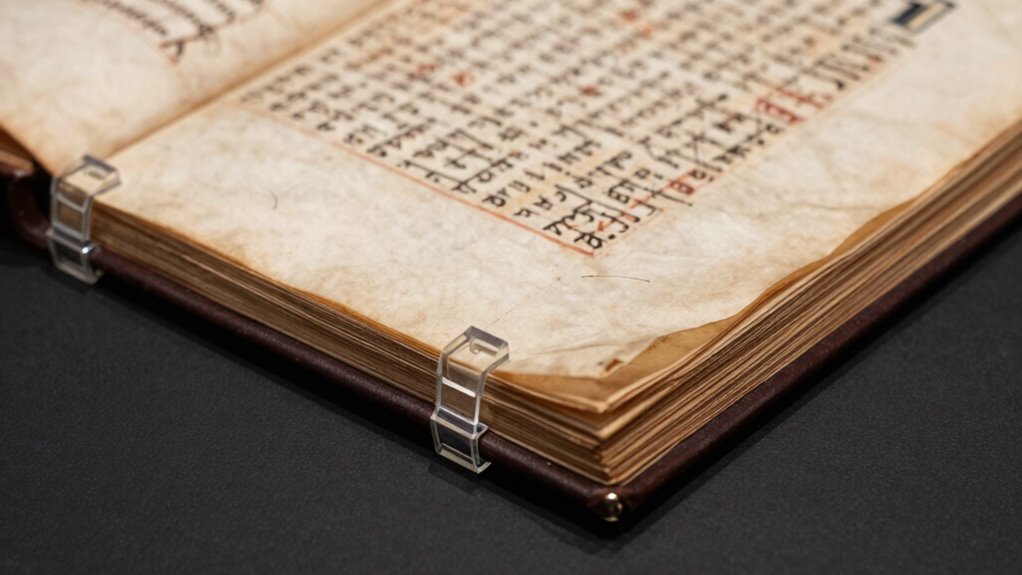

Choosing the right mounting method is essential because it protects paper artifacts from damage and helps preserve them long-term. Proper techniques prevent tears, distortions, and chemical deterioration, while supporting the item’s stability during display and handling. Using archival materials and reversible adhesives guarantees that future conservation efforts are possible. By selecting suitable mounting methods, you safeguard both the artifact’s appearance and its integrity over time. Keep exploring to discover how proper techniques make all the difference.

Get monitors, keyboards and dev gear delivered free — and shop member deals
- Fast, free delivery on millions of items
- Access to Prime Big Deal Days deals on October 6–7
- Prime Video, Amazon Music and more included
Key Takeaways
- Proper mounting prevents physical damage like tears, distortions, and creases in fragile paper artifacts.
- The right method ensures reversibility, facilitating future conservation efforts.
- Using archival materials and techniques minimizes chemical deterioration over time.
- Mounting influences the visual presentation and aesthetic quality of the display.
- Appropriate mounting supports long-term preservation by protecting against environmental and handling risks.
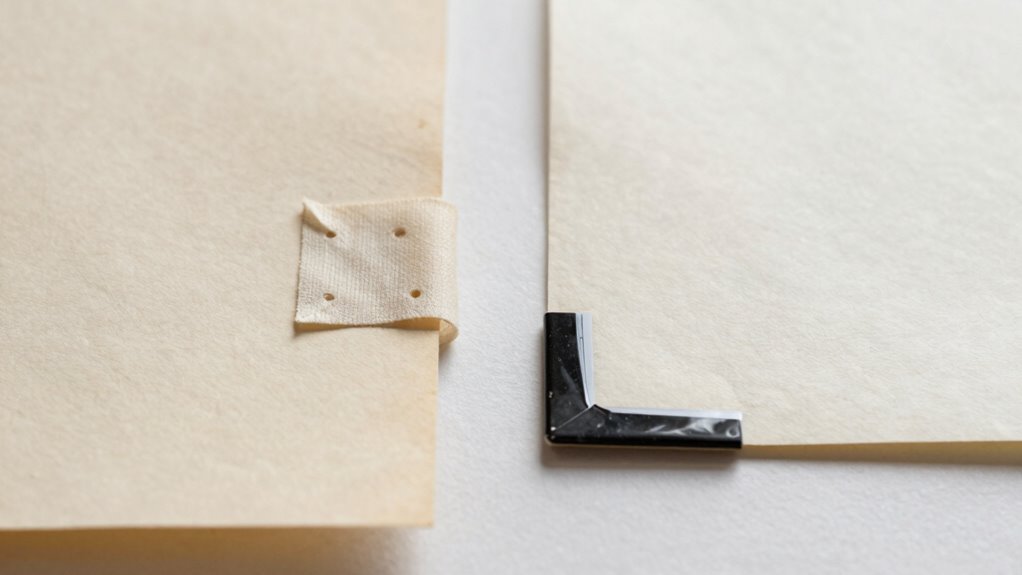
Have you ever wondered how delicate paper artifacts are preserved and displayed without causing damage? The answer lies in the careful selection of mounting methods. When you’re displaying historic documents, artwork, or rare prints, every detail matters—especially how you mount and frame them. Mounting methods influence not only the visual presentation but also the long-term preservation of these fragile items. If you use inappropriate techniques, you risk causing irreversible harm, such as tears, distortions, or chemical deterioration. That’s why understanding the importance of proper mounting is vital for anyone involved in paper conservation.
One key aspect is choosing the right adhesive types. Not all adhesives are suitable for paper artifacts; some can be too acidic, causing deterioration over time. Acid-free, pH-neutral adhesives are preferred because they won’t react chemically with the paper or ink. For lighter items, adhesive tapes designed specifically for archival purposes can be used, but only if they are stable and reversible. For more delicate or valuable pieces, you might opt for moisture-activated adhesives or Japanese paper hinges, which provide secure mounting without applying stress or causing damage. The goal is to make certain that the adhesive supports the artifact securely while remaining reversible, so future conservators can safely remove or adjust the display if needed. Additionally, understanding the chemical stability of adhesives helps prevent long-term damage. Choosing an appropriate mounting method also involves considering the potential for future conservation work, ensuring the mounted piece can be safely handled and removed if necessary. Properly assessing the environmental factors in which the artifact will be displayed further enhances its longevity. Display framing plays a vital role in mounting methods because it protects the paper from environmental hazards like dust, light, and fluctuations in humidity and temperature. Proper framing techniques help prevent physical stress on the paper, such as bending or creasing. You want your framing to be both aesthetically pleasing and gentle—using archival mats and UV-protective glass can greatly reduce light damage. Additionally, the choice of mounting within the frame, whether it’s hinging, dry mounting, or other methods, affects how well the paper is supported. For instance, dry mounting involves applying heat-activated adhesives, but it’s often avoided for highly fragile or historic documents due to its irreversible nature. Instead, hinging with acid-free tape or Japanese paper is generally preferred because these methods provide secure support without risking damage. This careful selection of mounting techniques ensures the longevity of the artifact while maintaining its visual integrity. Proper environmental management remains essential, as even the most well-mounted pieces can suffer if stored in unsuitable conditions.
As an affiliate, we earn on qualifying purchases.
Frequently Asked Questions
How Do Mounting Methods Affect the Long-Term Preservation of Paper Artifacts?
Your choice of mounting methods directly impacts the long-term preservation of paper artifacts. Using adhesive compatible with the paper guarantees it doesn’t degrade or stain over time, while proper mounting techniques enhance durability, preventing tears or warping. By selecting appropriate mounting materials and methods, you help maintain the artifact’s integrity, ensuring it remains stable and visually appealing for years to come. Good practices are essential for effective long-term preservation.
What Materials Are Safest for Mounting Delicate Paper Items?
You realize that using materials like acid-free adhesives and reversible mounting methods is vital for safeguarding delicate paper items. These materials prevent chemical reactions that could damage your artifacts over time. Reversible mounting ensures you can safely remove or adjust the display without harming the paper. By choosing these safe materials, you preserve the integrity of your items, allowing them to tell their stories for generations to come.
Can Mounting Techniques Be Reversed or Adjusted Later?
Yes, mounting techniques can often be reversed or adjusted later, especially if you choose methods with good adhesive removability. When you prioritize mounting flexibility, you allow for easier adjustments or removal without damaging the paper. Using reversible adhesives or methods designed for conservation guarantees that you can modify or undo your mounting later, making your display adaptable and preserving the integrity of your delicate paper items over time.
How Do Mounting Choices Impact Display Lighting and Environmental Control?
Imagine your display as a delicate greenhouse, where mounting choices act as the glass panels shaping the environment. Your decisions impact lighting effects, controlling glare and UV exposure, while also ensuring environmental stability. Proper mounting minimizes damage from fluctuating humidity or temperature swings, safeguarding your paper. By choosing the right mounting method, you create a balanced space where light and climate harmonize, preserving your artwork’s integrity for years to come.
Are There Industry Standards for Mounting in Paper Conservation?
Yes, industry standards for mounting in paper conservation emphasize using archival adhesives and secure mounting frames. These standards guarantee your materials are preserved without damage, maintaining their integrity over time. You should select adhesives that are acid-free and reversible, and use mounting frames that provide proper support without applying stress. Following these guidelines helps protect your paper artifacts, ensuring they’re safely displayed and preserved for future generations.
As an affiliate, we earn on qualifying purchases.
Conclusion
Ultimately, understanding and choosing the right mounting method makes a meaningful difference in paper conservation. By balancing both the beauty and the stability, you guarantee your artwork remains pristine and protected. Remember, proper placement and patience prevent problems and preserve the piece’s integrity. So, take the time to tailor your mounting methods—meticulous measures make a monumental difference, maintaining the masterpiece’s magic for many more moments to come.
As an affiliate, we earn on qualifying purchases.
reversible adhesive for paper preservation
As an affiliate, we earn on qualifying purchases.
As an affiliate, we earn on qualifying purchases.
Fall Picks
fall essentials
As an affiliate, we earn on qualifying purchases.