
Museums digitize oversized drawings by using high-resolution cameras and specialized scanning rigs that capture sections of the artwork. They then use advanced software to stitch these images together seamlessly, preserving every detail without distortion. Techniques like photogrammetry and calibration improve accuracy and fidelity. Interactive displays and AR help visitors explore these detailed reproductions. Want to discover more about how technology preserves art’s richness and intricacy? Keep exploring!

Get business pricing on monitors, keyboards and dev gear
- Business-only prices and quantity discounts
- Tax-exempt purchasing
- Multiple users, one account, clear invoices
Key Takeaways
- Use high-resolution cameras and specialized scanning rigs to capture sectional images of large drawings.
- Employ software tools for seamless stitching of sectional images to preserve continuity and detail.
- Apply calibration techniques to improve alignment accuracy and avoid seams or distortions.
- Incorporate advanced imaging methods like photogrammetry to capture intricate textures and subtle details.
- Integrate interactive digital displays and AR for immersive exploration without compromising original resolution.

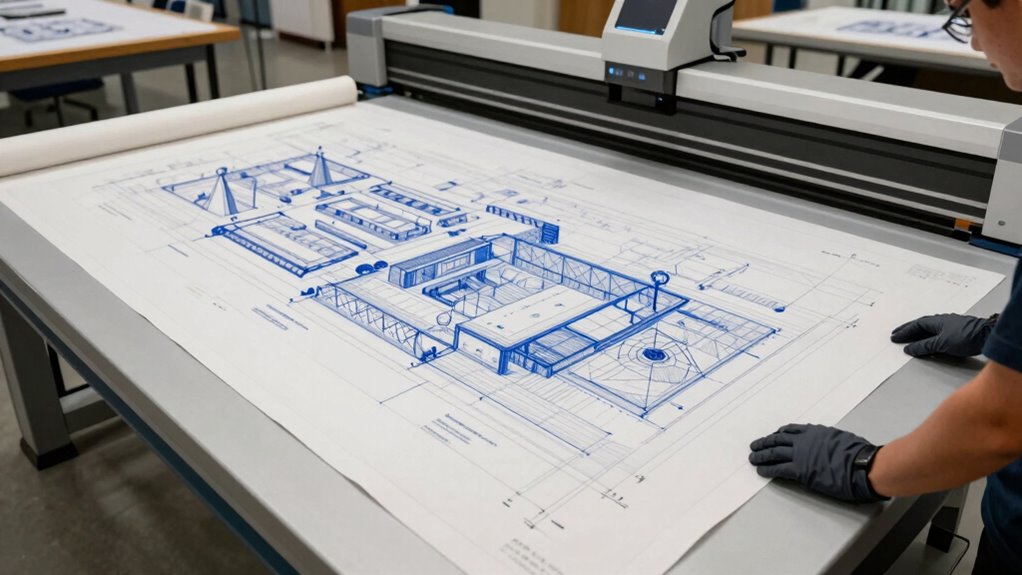
Museums face unique challenges when it comes to digitizing oversized drawings, as traditional scanning methods often fall short. Standard flatbed scanners are limited by size, making it nearly impossible to capture every detail of large works in one go. To overcome this, you might consider advanced digital techniques that preserve the richness and intricacy of your pieces. High-resolution cameras and specialized scanning rigs can be used to capture the drawings in sections, which are then seamlessly stitched together with software that maintains the original detail. This process guarantees that no part of the artwork is lost or distorted during digitization. Incorporating digital techniques can significantly enhance the fidelity of the digital reproduction and ensure every nuance is preserved. Additionally, employing accurate image stitching software is crucial for maintaining the integrity of the entire piece without visible seams or distortions. Using precise calibration methods can further improve the accuracy of the stitched images, ensuring a true representation of the original artwork. Implementing photogrammetry can also help create highly detailed 3D models for a more comprehensive digital preservation approach. Moreover, integrating advanced imaging technology can improve the overall quality and capture more subtle details that might be missed with traditional methods.
Overcoming size limitations with high-resolution imaging and seamless stitching preserves intricate details of oversized artworks.
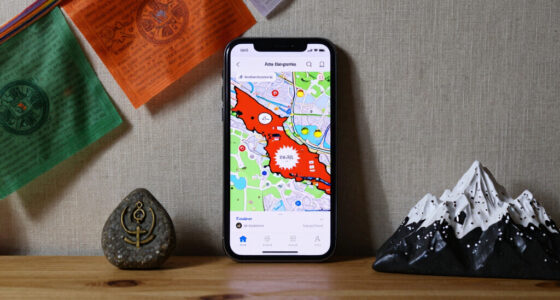
Once you’ve created a high-quality digital version, taking it a step further by integrating augmented reality (AR) can transform how visitors engage with your collection. AR allows you to overlay digital information, annotations, or even animated elements onto the physical artwork when viewed through a smartphone or AR glasses. Imagine a visitor pointing their device at a massive drawing and instantly seeing close-up views of intricate details, historical context, or artist commentary. This immersive experience not only preserves the artwork’s integrity but also deepens visitor understanding and appreciation.
Interactive displays are another innovative approach to presenting oversized drawings digitally. By utilizing touchscreens, projection mapping, or large-format monitors, you can create dynamic exhibits where viewers explore different sections of the artwork interactively. For example, they might zoom into a specific part of the drawing to examine fine lines and textures or toggle between different layers of the piece. These displays make the viewing experience more engaging and educational, encouraging visitors to spend more time exploring the details that might be missed in a static display. Incorporating interactive technology can also help in reaching audiences with diverse needs and learning styles, making art more accessible.
Combining high-resolution digital captures with AR and interactive displays offers an effective way to digitize oversized drawings without sacrificing detail. These technologies help you showcase the artwork’s full richness while making it accessible to a broader audience. You can even develop virtual tours or online galleries that allow people from anywhere to experience your collection in remarkable detail. The key is to use the latest tools and techniques to faithfully reproduce the original work, ensuring that every stroke, texture, and nuance is preserved for future generations. By embracing these digital innovations, you not only solve size limitations but also create a more interactive, immersive, and educational experience for your visitors.
high resolution camera for art digitization
As an affiliate, we earn on qualifying purchases.
As an affiliate, we earn on qualifying purchases.
Frequently Asked Questions
What Specific Equipment Is Used in Digitizing Oversized Drawings?
You use specialized equipment like large-format scanners and high-resolution cameras to digitize oversized drawings. Scanning technologies such as flatbed or drum scanners capture fine details accurately, while high-quality digital cameras with macro lenses are ideal for fragile or very large pieces. Proper lighting setups, including diffused lighting, prevent glare and shadows, ensuring every detail is preserved. Combining these tools allows you to create detailed, high-quality digital reproductions without losing any essential features.
How Is Color Accuracy Maintained During Digital Capture?
Sure, you’ll want to keep your color calibration sharp—think of it as your secret weapon. By meticulously adjusting color profiles, you guarantee the digital image mirrors the original’s hues perfectly. This process involves fine-tuning your scanner or camera settings, then matching the colors to a standard reference. As a result, your digital masterpiece stays true to life, preventing it from looking like a cartoon version of the real thing.
What Are Common Challenges Faced in High-Resolution Digitization?
You face challenges in high-resolution digitization like maintaining ideal digital resolution and managing large file sizes. High digital resolution ensures fine detail, but it results in massive files that are hard to store and share. File compression helps reduce file size without losing quality, but over-compression may compromise detail. Balancing resolution and compression is key to capturing detailed images while keeping files manageable for storage and dissemination.
How Do Museums Ensure the Longevity of Digital Files?
Think of digital files like a fragile, ancient manuscript—you need to protect it to guarantee it lasts. You do this through robust digital preservation practices, including regular backups and format migration. Proper metadata management helps track and organize files, making preservation easier. Museums ensure longevity by establishing strict digital preservation policies, storing copies in secure, climate-controlled environments, and updating technology to prevent obsolescence, keeping your digital treasures safe for future generations.
Are There Different Methods for Digitizing Fragile Versus Durable Drawings?
Yes, there are different methods for digitizing fragile versus durable drawings. For fragile pieces, you use non-contact scanning and specialized preservation techniques to prevent damage, ensuring archival storage. Durable drawings might be scanned with standard high-resolution methods. This approach helps preserve the original’s integrity while creating detailed digital copies. You focus on gentle handling and advanced preservation techniques to maintain each drawing’s condition, enabling long-term accessibility and detailed digital archives.
As an affiliate, we earn on qualifying purchases.
Conclusion
By carefully choosing the right scanning techniques and equipment, you can digitize oversized drawings without sacrificing detail. Imagine capturing a massive mural in a single high-resolution image, preserving every brushstroke for future generations. For instance, a museum might use a large-format scanner to digitize a historic fresco, ensuring that viewers worldwide can appreciate its intricate details. With the right approach, you can bring oversized artworks into the digital age while maintaining their original beauty and complexity.
As an affiliate, we earn on qualifying purchases.
interactive digital display for museums
As an affiliate, we earn on qualifying purchases.
As an affiliate, we earn on qualifying purchases.
Fall Picks
fall essentials
As an affiliate, we earn on qualifying purchases.