Over time, fold lines weaken as fibers fray or break from repeated handling and folding. Environmental factors like humidity and temperature fluctuations accelerate this deterioration, making fragile areas more prone to tears and damage. The damage often starts invisibly but can become obvious, causing visual distortions and structural problems. If you want to understand how to protect and conserve these delicate areas effectively, there’s more to discover about essential strategies and preventative measures.

Get business pricing on monitors, keyboards and dev gear
- Business-only prices and quantity discounts
- Tax-exempt purchasing
- Multiple users, one account, clear invoices
Key Takeaways
- Repeated folding weakens fibers, making areas more fragile and prone to tearing with handling or environmental stress.
- Environmental fluctuations like humidity and temperature accelerate deterioration along weakened fold lines.
- Fold lines cause visual distortions and shadows, disrupting the object’s original appearance and aesthetic value.
- Over time, creases deepen into permanent ridges, increasing the risk of tears and structural failure.
- Early conservation interventions, such as humidification and support, are vital to prevent irreversible damage.
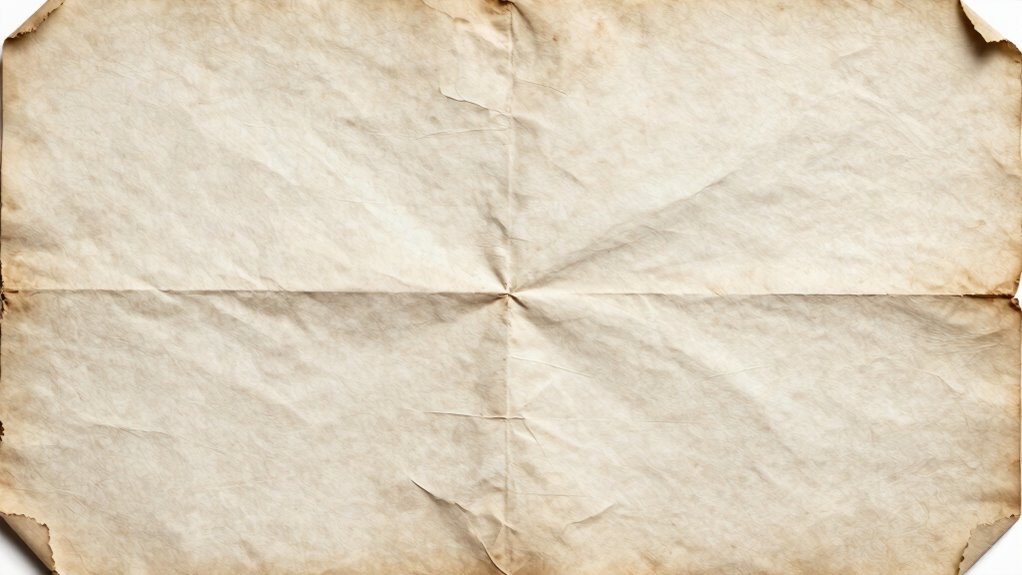
Fold lines, often overlooked by the casual observer, pose significant conservation challenges for delicate artworks and historical documents. When paper, fabric, or other materials are repeatedly folded, they begin to undergo material weakening. The fibers in these materials become frayed or broken down at the fold, making the object more fragile with each handling or passage of time. This weakening isn’t always immediately visible but slowly progresses, increasing the risk of tearing or crumbling when you try to unfold or move the item. As a conservationist, you recognize that these weakened areas are vulnerable points, especially under environmental stresses like humidity fluctuations or temperature changes, which can accelerate deterioration. Material fatigue can also exacerbate these issues, leading to further structural compromise over time.
Repeated folds weaken materials, increasing fragility and risk of damage over time. Early intervention is essential for preservation.
Over time, fold lines also cause visual disruption, affecting the aesthetic integrity of the object. The creases create uneven surfaces that distort the original appearance, making it difficult to appreciate the artwork or document as it was intended to be seen. The distortion caused by fold lines can also lead to permanent deformations, which are often challenging to correct without invasive procedures. The lines can cast shadows or catch light differently, distracting viewers and diminishing the overall visual impact. You might notice that the fold marks, especially on older or heavily folded items, can obscure important details—writing, illustrations, or textures—detracting from the historical or artistic value. This visual disruption often prompts conservation efforts, as restoring the object’s appearance becomes essential to preserve its cultural significance. Addressing these issues early can prevent further deterioration and maintain the object’s integrity.
The challenge with fold lines is that they tend to become more pronounced and damaging over time. What begins as a gentle crease can evolve into deep, permanent ridges that are difficult to remove without risking further damage. If left unaddressed, the material’s weakening can lead to tears along the fold lines, especially when subjected to handling or environmental stressors. You must carefully balance stabilization and restoration techniques, often employing specialized conservation methods like humidification, flattening, or the use of supportive mounting materials. These techniques aim to reduce visual disruption while reinforcing the material’s structure, ensuring the object remains stable and viewable for future generations.
Ultimately, you understand that the preservation of objects with fold lines requires early intervention. Recognizing the potential for material weakening and visual disruption early on allows you to implement preventative measures, reducing the long-term impact of fold lines. By carefully managing these issues, you help safeguard delicate artifacts from irreversible damage, ensuring their stories continue to be told clearly and beautifully. Proper preventative conservation strategies are essential to extend the lifespan of these precious items and maintain their historical and artistic significance.
acid-free archival storage folders
As an affiliate, we earn on qualifying purchases.
As an affiliate, we earn on qualifying purchases.
Frequently Asked Questions
How Do Fold Lines Affect the Long-Term Stability of Paper Artifacts?
Fold lines compromise the long-term stability of paper artifacts by creating weak points where structural weakening occurs. Over time, artificial aging accelerates this deterioration, making the paper more fragile. You might notice cracks or tears forming along these lines, which can worsen with handling or environmental stress. To preserve your artifacts, it’s essential to minimize fold lines and control aging factors, reducing the risk of further damage and ensuring their longevity.
Can Fold Lines Be Completely Removed Without Damaging the Material?
You can’t completely remove fold lines without risking damage, as restoration methods often involve delicate processes that may weaken the material. Preservation challenges arise because trying to erase fold lines can cause tears or distortions, making the artifact more fragile. Instead, conservators focus on minimizing visual impact and stabilizing the paper, working carefully to preserve its integrity while addressing the aesthetic concerns caused by fold lines.
What Materials Are Most Vulnerable to Damage From Fold Lines?
You should be aware that paper and certain plastics are most vulnerable to damage from fold lines due to material aging and fold line stress. Over time, these materials weaken along the fold lines, developing cracks or tears more easily. The stress from repeated folding accelerates deterioration, making them particularly sensitive. To preserve such materials, handle them carefully and minimize fold lines, especially if they show signs of aging or stress.
How Do Environmental Factors Influence Fold Line Deterioration?
Imagine fold lines as delicate cracks in a fragile sculpture, vulnerable to the environment’s touch. Environmental humidity seeps into these lines like a whisper, weakening the material’s fibers, while chemical corrosion acts as an invisible acid, slowly eroding the edges. Together, these factors accelerate deterioration, turning once-pristine fold lines into frayed, ghostly scars. You need to control humidity and avoid corrosive agents to preserve their integrity over time.
Are There Modern Techniques to Prevent Fold Line Damage?
You can prevent fold line damage with modern techniques like digital preservation, which reduces handling of the original item. Using ergonomic handling methods, such as supportive tools and proper techniques, minimizes stress on fold lines. Combining these approaches guarantees the artwork remains intact longer. Regular assessments and controlled environments also help, but digital backups and careful handling are your best defenses against deterioration over time.
humidity control for artwork preservation
As an affiliate, we earn on qualifying purchases.
As an affiliate, we earn on qualifying purchases.
Conclusion
Over time, fold lines can considerably damage valuable materials, accelerating deterioration and complicating conservation efforts. Intriguingly, studies show that fold lines can weaken paper or fabric by up to 50%, making them more susceptible to tearing or decay. By understanding how these lines evolve into conservation problems, you can better preserve delicate items. Recognizing the importance of proper handling and storage helps prevent long-term damage, ensuring your artifacts remain intact for future generations.
fold line support tools for paper conservation
As an affiliate, we earn on qualifying purchases.
As an affiliate, we earn on qualifying purchases.
conservation humidification chamber
As an affiliate, we earn on qualifying purchases.
As an affiliate, we earn on qualifying purchases.
Fall Picks
fall essentials
As an affiliate, we earn on qualifying purchases.