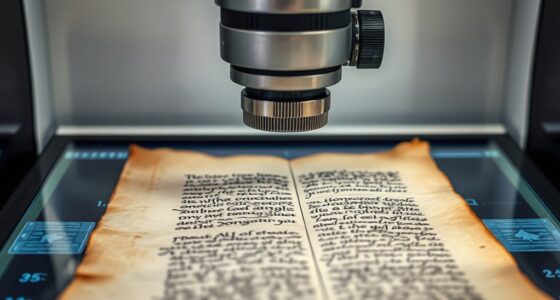

Conservation framing safeguards works on paper by using UV-filtering glass or acrylic to block harmful rays that fade and weaken your artwork over time. It also employs acid-free mats, backings, and adhesives to prevent yellowing and acid damage. Controlling environmental factors like temperature and humidity, along with careful handling and proper storage, guarantees your artwork stays vibrant and intact for decades. Keep exploring to learn more about preserving your collection’s longevity.

Get business pricing on monitors, keyboards and dev gear
- Business-only prices and quantity discounts
- Tax-exempt purchasing
- Multiple users, one account, clear invoices
Key Takeaways
- UV-filtering glazing blocks harmful rays, preventing fading and discoloration over time.
- Acid-free mats and backing materials neutralize pH, reducing deterioration and yellowing of paper.
- Stable environmental conditions, including temperature and humidity control, minimize warping and mold growth.
- Reversible, non-invasive framing techniques preserve the artwork’s flexibility and ease future restoration.
- Proper display and storage in climate-controlled settings protect works from light, moisture, and physical damage.
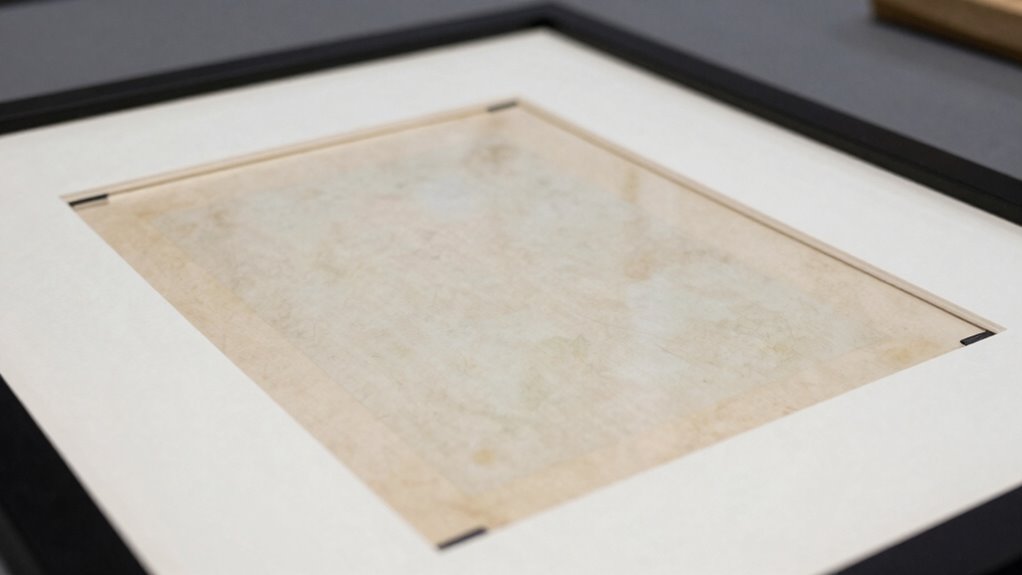
Have you ever wondered how museums and collectors keep delicate works on paper safe from damage? The secret lies in conservation framing, a specialized approach that protects your artwork over decades. When you choose the right framing techniques, you’re actively preventing deterioration caused by environmental factors, handling, and aging. One of the most essential elements involves UV protection. Ultraviolet rays from sunlight and artificial lighting can cause fading, discoloration, and weakening of paper and ink. By incorporating UV-filtering glass or acrylic into your frame, you block out these harmful rays, guaranteeing that your artwork retains its original vibrancy and detail for years to come.
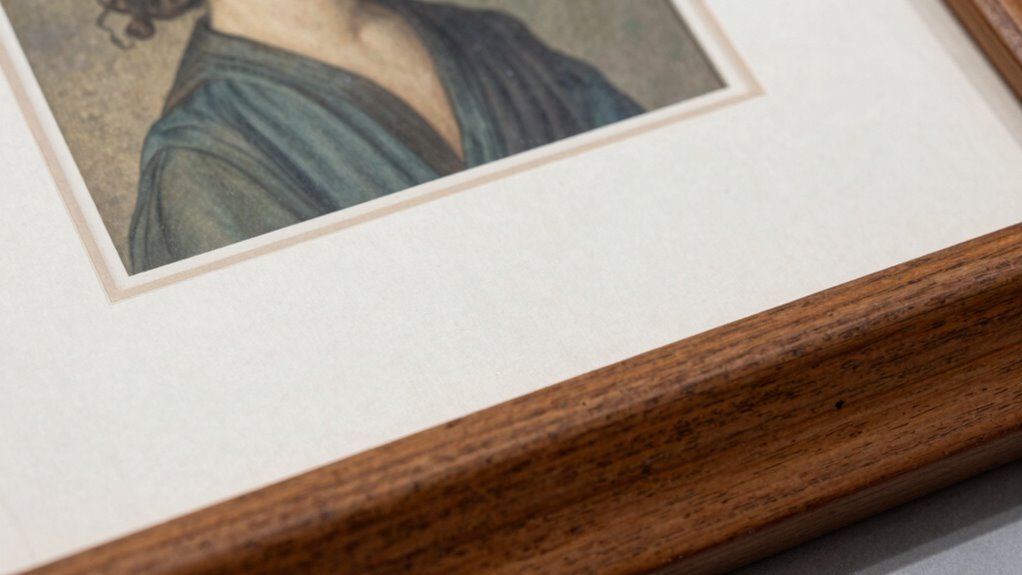
Alongside UV protection, the use of acid-free materials plays a key role in conservation framing. Standard mat boards, backing, and adhesives often contain acids that, over time, seep into the paper and accelerate deterioration. Acid-free materials are specially manufactured to have a neutral or alkaline pH, which slows down the aging process and prevents yellowing or brittleness. When you opt for acid-free mats, backing boards, and mounting supplies, you’re creating a safe environment that preserves the artwork’s integrity. This prevents acid migration, which can lead to irreversible damage, and helps your piece stay in excellent condition for decades. Additionally, understanding the importance of environmental control helps maintain the optimal conditions necessary for long-term preservation. Regular monitoring of climate conditions and making adjustments as needed can further prevent damage caused by fluctuations in temperature and humidity. Incorporating proper climate regulation measures, such as proper ventilation and humidity regulation, further enhances the longevity of your framed piece.
Proper framing also involves careful handling and precise assembly. You should avoid tight mounts or adhesives that could damage the paper or cause warping. Instead, conservation framing uses reversible, non-invasive methods that allow for future restoration or adjustments. The art is often floated or hinged using archival-quality materials, which avoid putting stress on the paper. This approach ensures the artwork remains flexible and intact, even after years in storage or display. Additionally, understanding the importance of environmental control and storage conditions helps protect your artwork from damage during both display and storage. Even with UV protection and acid-free materials, fluctuating temperature and humidity can cause warping, cracking, or mold growth. Ideally, your artwork should be displayed in a stable, climate-controlled space, away from direct sunlight, drafts, or moisture. This holistic approach to conservation framing guarantees that your work on paper endures, maintaining its beauty and value over time.
As an affiliate, we earn on qualifying purchases.
Frequently Asked Questions
Can Conservation Framing Be Applied to All Types of Paper Artwork?
Yes, conservation framing can be applied to all types of paper artwork. You should use acid-free materials to prevent deterioration and guarantee longevity. Additionally, UV protection glass shields your artwork from harmful light, helping preserve colors and paper integrity. No matter the paper type, these conservation techniques safeguard your piece, keeping it vibrant and intact for decades. Proper framing with these protections is essential for long-term preservation of all paper artworks.
How Often Should Conservation Framing Be Inspected for Maintenance?
You should inspect your conservation framing at least once a year to guarantee its protection. Regular checks allow you to spot issues with framing materials or environmental conditions early. Look for signs of deterioration, such as warping, discoloration, or mold. Maintaining stable environmental conditions—like consistent humidity and temperature—helps prevent damage. Promptly addressing any problems keeps your artwork preserved for decades, ensuring the framing continues to shield your paper work effectively.
Does Conservation Framing Affect the Value of Artwork?
Conservation framing, when done with meticulous framing techniques, gently enhances the artwork’s value by safeguarding its integrity. While it might seem subtle, proper framing signals professional art preservation efforts, which collectors appreciate. This careful approach preserves the piece’s beauty and authenticity, often increasing its appeal. Ultimately, thoughtful conservation framing doesn’t detract from value; it subtly elevates the artwork’s long-term worth and visual impact.
Are There Eco-Friendly Conservation Framing Options Available?
Yes, eco-friendly conservation framing options are available. You can choose frames made from sustainable materials like bamboo, recycled wood, or recycled metal. Look for glass options such as UV-protective acrylic, which reduces environmental impact. By selecting these sustainable practices, you protect your artwork while minimizing your ecological footprint. Many framing shops now offer eco-conscious choices, making it easier for you to preserve art responsibly and sustainably.
What Are the Signs That Conservation Framing Is Needed?
You might notice discoloration, warping, or a musty smell, signaling it’s time for conservation framing. Environmental factors like humidity, light, and temperature can cause damage over time, emphasizing the need for quality framing materials. If your artwork or documents show fading, cracking, or mold spots, it’s a sign that proper preservation is essential. Addressing these signs early helps protect your pieces, ensuring they stay vibrant and intact for years to come.
As an affiliate, we earn on qualifying purchases.
Conclusion
By understanding how conservation framing shields works on paper, you realize its essential role in preserving art for future generations. Did you know that properly framed artworks can last over 100 years longer? This statistic highlights the importance of using the right materials and techniques. When you prioritize conservation framing, you’re not just protecting a piece of art—you’re safeguarding a cultural treasure for decades to come, ensuring its beauty endures for generations ahead.
As an affiliate, we earn on qualifying purchases.
climate-controlled display cases for art
As an affiliate, we earn on qualifying purchases.
As an affiliate, we earn on qualifying purchases.
Fall Picks
fall essentials
As an affiliate, we earn on qualifying purchases.