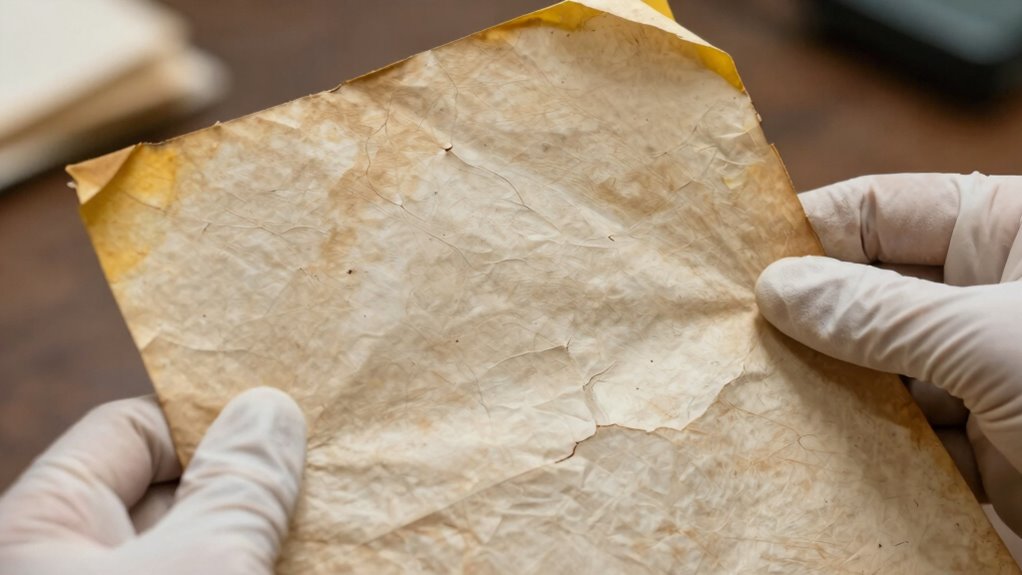

Deacidification still matters in document preservation because it neutralizes harmful acids that can cause paper to become brittle and discolored over time. By stabilizing the paper and adding a protective buffer, it extends the lifespan of your valuable documents. When combined with proper environmental controls, it offers a strong defense against decay. If you want to learn how these techniques help keep your materials safe for the future, keep exploring the details.

Get business pricing on monitors, keyboards and dev gear
- Business-only prices and quantity discounts
- Tax-exempt purchasing
- Multiple users, one account, clear invoices
Key Takeaways
- Deacidification neutralizes acids that cause paper deterioration, extending the lifespan of historical documents.
- It adds an alkaline buffer, preventing future acid formation and reducing the need for frequent treatments.
- Combining deacidification with proper environmental controls offers comprehensive protection against decay.
- Advances in eco-friendly methods ensure safe, effective preservation aligned with sustainability goals.
- Deacidification safeguards cultural heritage, ensuring documents remain accessible for research and future generations.
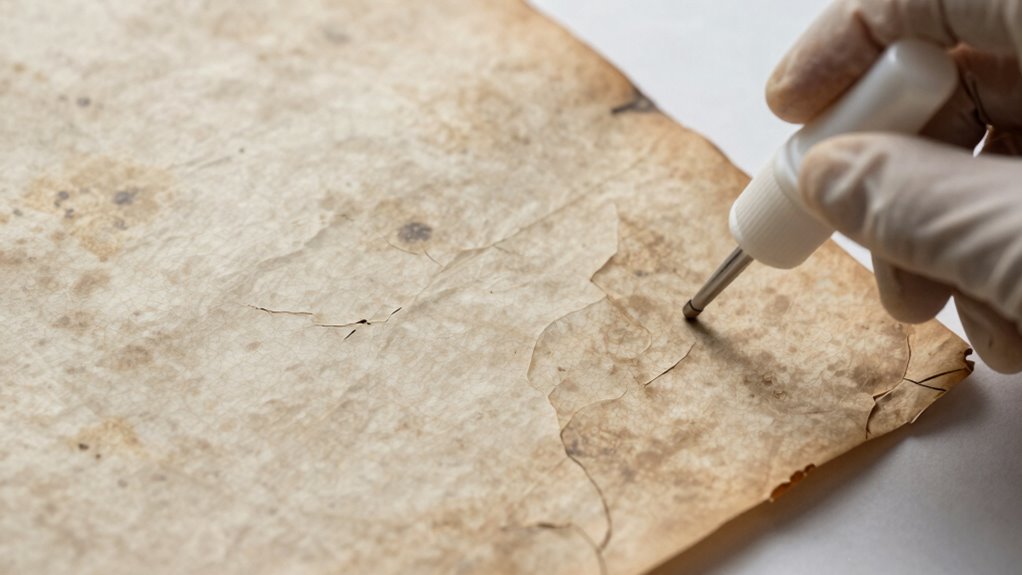
Have you ever wondered how delicate historical documents are preserved for future generations? It’s a fascinating process that requires careful attention to detail, especially when it comes to preventing deterioration. One of the key methods used in preservation is deacidification, which involves acid neutralization techniques to stabilize paper and prevent ongoing decay. Without proper deacidification, acidic papers become brittle, discolored, and prone to tearing, making the long-term survival of these documents uncertain. By neutralizing acids within the paper, preservation experts help extend the lifespan of invaluable materials, guaranteeing they remain accessible and legible for years to come.
But deacidification isn’t just about applying a treatment and calling it a day. It’s deeply connected to preservation environment management, which involves controlling factors like temperature, humidity, light exposure, and air quality. These environmental elements influence the rate at which acids form and damage paper. Even after deacidification, if a document is stored in a poorly managed environment, it can quickly deteriorate again. That’s why preservationists emphasize the importance of a stable, controlled environment in combination with acid neutralization techniques. This integrated approach helps maintain the paper’s integrity, reducing the need for frequent treatments and minimizing further acid formation. Additionally, understanding the role of biodiversity and sustainable practices can help promote eco-friendly conservation methods that minimize environmental impact.
The process of deacidification often uses chemical solutions that are carefully applied to neutralize existing acids and add an alkaline buffer, which helps prevent future acid formation. Modern techniques have advanced considerably, allowing for more precise and less invasive treatments. These methods are designed to penetrate the paper fibers without causing damage, ensuring the document’s original quality remains intact. It’s essential to tailor the deacidification approach to each document’s unique needs, considering factors like paper type, age, and condition. When done correctly, deacidification becomes a fundamental step in a thorough preservation strategy that prioritizes both immediate stabilization and long-term protection. Furthermore, ongoing research in acid-neutralization techniques continues to improve the safety and efficacy of preservation treatments, making them more accessible and environmentally friendly.
In essence, deacidification still matters because it directly addresses one of the root causes of paper deterioration—acidic content. When combined with vigilant preservation environment management, it creates a strong defense against decay. This synergy ensures that fragile documents can survive the passage of time, remaining accessible for research, education, and cultural heritage. Your role in supporting these preservation efforts is essential, whether through proper storage, handling, or advocating for continued advances in conservation techniques. By understanding and appreciating the importance of deacidification, you help safeguard history, ensuring that future generations can learn from the past. Moreover, integrated preservation strategies that combine chemical and environmental controls can significantly enhance the longevity of historic documents.
acid neutralization paper conservation solution
As an affiliate, we earn on qualifying purchases.
As an affiliate, we earn on qualifying purchases.
Frequently Asked Questions
How Long Does Deacidification Last on Treated Documents?
Deacidification typically lasts for several decades, depending on factors like storage conditions and the specific treatment used. You can expect good chemical stability and preservation of the document’s integrity over the long term. Proper storage, like controlled humidity and temperature, enhances these long-term effects. While the treatment provides lasting protection, periodic checks and re-treatment might be necessary to guarantee your documents remain stable and preserved for future generations.
Can Deacidification Be Reversed or Removed if Needed?
Think of deacidification like sealing a letter in a glass case; once done, it’s designed to be permanent. Generally, chemical stability guarantees the treatment isn’t easily reversed or removed without damaging the document. Reversal feasibility is limited, often requiring specialized chemicals and risking harm. So, you should view deacidification as a lasting solution, intended to protect your documents long-term, rather than something easily undone if needed.
What Are the Environmental Impacts of Deacidification Chemicals?
Deacidification chemicals can pose environmental impacts due to chemical toxicity, which may affect local ecosystems if not managed properly. You should consider the environmental sustainability of the processes used, opting for eco-friendly, less toxic options whenever possible. Proper disposal and handling minimize harm, helping to guarantee that deacidification contributes to preservation without compromising environmental health. Balancing effective preservation with environmental responsibility remains essential in your conservation efforts.
Is Deacidification Effective on All Types of Paper?
Deacidification is effective on many types of paper, especially acidic paper prone to deterioration. However, it may not work well on heavily damaged or non-paper materials like photographs or certain inks. As a preservation technique, it helps neutralize acids and extend the lifespan of documents. You should evaluate each item’s material and condition to determine if deacidification is suitable, ensuring maximum preservation results.
How Does Deacidification Compare Cost-Wise to Other Preservation Methods?
Deacidification generally costs more upfront than other preservation strategies like proper storage or environmental controls, but it offers longer-term benefits by neutralizing acids and preventing further deterioration. When doing a cost comparison, consider how deacidification extends the lifespan of your documents, reducing future restoration costs. While initial expenses are higher, its effectiveness makes it a worthwhile investment in your preservation strategy, especially for valuable or delicate materials.
As an affiliate, we earn on qualifying purchases.
Conclusion
So, next time you dismiss deacidification as just another dusty relic of preservation, remember it’s really your best friend in disguises—saving your precious documents from an inevitable, acidic demise. Because nothing says “timeless” like turning fragile paper into a fragile paper with a little help. After all, if you’re going to keep your history alive, you might as well give it a fighting chance—preferably with a dash of science and a pinch of patience.
acid-free document storage boxes
As an affiliate, we earn on qualifying purchases.
As an affiliate, we earn on qualifying purchases.
environmentally friendly paper preservation kit
As an affiliate, we earn on qualifying purchases.
As an affiliate, we earn on qualifying purchases.
Fall Picks
fall essentials
As an affiliate, we earn on qualifying purchases.