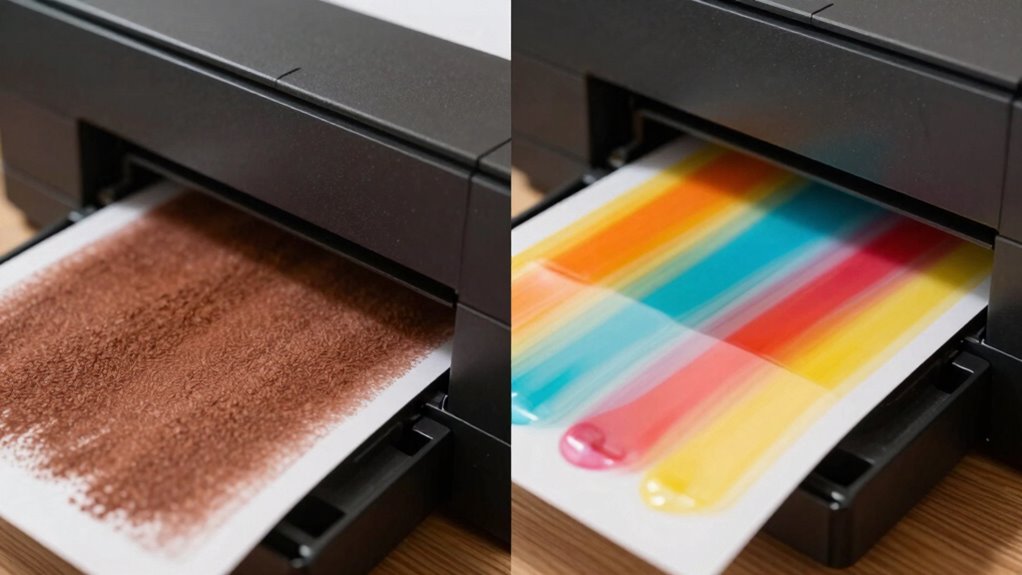

When comparing pigment and dye photo printers, you’ll notice experts first see the vibrant, immediate color impact of dye inks, which make images pop with intensity. In contrast, pigment printers appeal through their durable, fade-resistant qualities and superior adhesion to textured papers. These initial impressions highlight the key differences in color brilliance and longevity. Keep exploring to discover how these factors influence your choice based on your printing needs.

Get business pricing on monitors, keyboards and dev gear
- Business-only prices and quantity discounts
- Tax-exempt purchasing
- Multiple users, one account, clear invoices
Key Takeaways
- Experts first notice the initial visual impact: dye prints are more vibrant and eye-catching right out of the printer.
- They observe the print’s durability and color stability over time, favoring pigment inks for longevity.
- Handling and paper compatibility are assessed, with pigment prints typically adhering better to textured or matte surfaces.
- Cost considerations are noted, with dye printers being more affordable upfront, while pigment printers are a higher investment.
- Experts evaluate the intended use, prioritizing pigment for archival quality and dye for quick, vivid results.
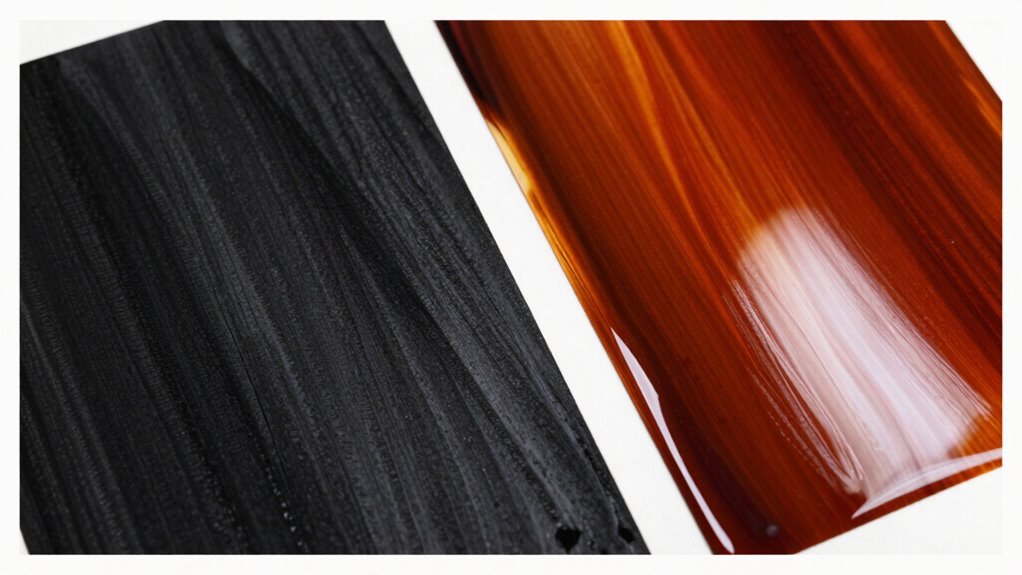
Have you ever wondered what sets pigment and dye photo printers apart? The differences are significant, especially when you consider how they produce your photos and how those prints will last over time. When experts first evaluate these printers, they usually notice the quality of the images right away. Two key factors come into play: ink longevity and color vibrancy. These elements determine not just the appearance of your prints but also their durability and overall value.
Pigment ink printers are known for their remarkable ink longevity. The pigments are ground particles suspended in the ink, which makes them highly resistant to fading when exposed to light or environmental factors. This means your photos will retain their original colors for decades if stored properly. Experts often point out that pigment inks excel in archival quality, making them ideal for professional photographers or anyone wanting long-lasting prints. On the other hand, dye ink printers produce vibrant, eye-catching colors, especially in the initial stages. The dyes dissolve completely in the liquid, creating bright, saturated hues that immediately draw your attention. When you look at a dye print, the color vibrancy is striking, giving your images a lively, almost luminous quality. However, this vibrancy often comes at the expense of longevity. Dye inks are more susceptible to fading over time, especially when exposed to sunlight or humidity.
Beyond initial impressions, the choice between pigment and dye printers depends on what you value most. If you prioritize longevity, pigment inks typically deliver superior durability, ensuring that your cherished photos stay vibrant for many years. Conversely, if your main goal is to produce stunning images with rich, intense colors right out of the printer, dye inks tend to be the better option. Experts also consider how each type handles different paper surfaces, with pigment inks often providing better adhesion on textured or matte papers, enhancing the overall appearance and longevity. Understanding the ink composition can also influence your decision, as it affects how well the ink interacts with various materials. Additionally, print quality can vary depending on the ink type, affecting the overall sharpness and detail of your photos. A cost difference between the two options may also influence your choice, as pigment printers generally require a higher initial investment.
In the end, your decision will hinge on your specific needs—whether it’s creating archival-quality photographs or capturing vibrant moments with dazzling color. While pigment printers may require a higher initial investment and slower drying times, their durability and color stability are unmatched. Dye printers, meanwhile, offer quick, vivid results that are perfect for displays or casual use, but they may not stand the test of time quite as well. Recognizing these differences helps you choose the right printer to match your expectations and how you want your photos to be remembered.
As an affiliate, we earn on qualifying purchases.
Frequently Asked Questions
Which Printer Type Is More Environmentally Friendly?
You’ll find pigment photo printers generally more eco-friendly because they use eco-friendly materials and have better recycling practices. They produce less waste and their inks tend to be more durable, reducing the need for reprints. Dye printers, on the other hand, often use chemicals that can be more harmful to the environment, and their inks may not be as easily recyclable. Choosing a pigment printer supports sustainable printing practices.
How Do Ink Costs Compare Over Time?
In a flashback to the days of dial-up internet, you’ll find that ink costs over time vary considerably. Pigment printers generally have higher initial ink costs but boast better ink longevity, reducing the need for frequent replacements. Dye printers often offer lower upfront costs, but their ink tends to fade faster, leading to more frequent purchases. For consistent color vibrancy and cost efficiency, pigment printers tend to be the smarter choice.
Are Pigment Printers More Durable Than Dye Printers?
Yes, pigment printers are more durable than dye printers because they offer better color longevity and ink stability. You’ll notice that prints from pigment printers resist fading over time, even when exposed to light and environmental factors. This makes them ideal for archival quality photos. Dye printers, on the other hand, tend to fade faster, so if durability is your priority, pigment printers are the better choice for long-lasting, vibrant images.
Which Printer Type Offers Faster Printing Speeds?
Dye photo printers usually offer faster printing speeds than pigment printers, making them a great choice for quick results. However, pigment printers excel in color accuracy and print longevity, ensuring your photos stay vibrant and durable over time. If speed is your priority, dye printers are ideal, but for quality and lasting prints, pigment printers are worth the extra time. Your choice depends on your specific needs and how you value speed versus durability.
Can Both Printer Types Handle Large-Format Printing Effectively?
Both printer types can handle large-format printing effectively, but pigment printers excel in durability and color accuracy over time. They’re better suited for exhibitions or gallery displays, despite requiring more maintenance. Dye printers are faster and more cost-effective for casual or short-term prints. If you’re aiming for high-quality, long-lasting images, pigment printers are your best choice, though you’ll need to stay on top of their maintenance needs.
As an affiliate, we earn on qualifying purchases.
Conclusion
Choosing between pigment and dye photo printers is like picking between a sturdy oak and a delicate flower—they each have their strengths. Think about what matters most to you: longevity or vibrant color? By understanding these differences, you’ll be better equipped to make a choice that fits your needs. Remember, the right printer isn’t just a tool—it’s the brush that paints your memories. So, pick wisely and let your photos tell their story beautifully.
As an affiliate, we earn on qualifying purchases.
photo printer for textured paper
As an affiliate, we earn on qualifying purchases.
As an affiliate, we earn on qualifying purchases.
Halloween Picks
halloween
As an affiliate, we earn on qualifying purchases.