
To reduce large scan file sizes without losing essential details, start by lowering your scanner resolution to around 150-300 dpi, which balances quality and size. Use lossless compression formats like PDF or TIFF, and avoid over-compression that causes artifacts. Organize files with clear metadata and select the right formats for your needs. For further tips on managing, optimizing, and preserving quality while compressing, explore effective strategies tailored to your workflow.

Get business pricing on monitors, keyboards and dev gear
- Business-only prices and quantity discounts
- Tax-exempt purchasing
- Multiple users, one account, clear invoices
Key Takeaways
- Use lossless compression formats like ZIP, PNG, or TIFF to reduce size without sacrificing quality.
- Adjust scan resolution to 150-300 dpi, balancing clarity with smaller file sizes.
- Optimize PDF files by removing unnecessary elements and compressing embedded images.
- Apply selective cropping and enhance images before embedding to minimize size while preserving details.
- Tag files with descriptive metadata and organize in clear folder structures for efficient management.
lossless PDF compression software
As an affiliate, we earn on qualifying purchases.
As an affiliate, we earn on qualifying purchases.
Why Large Scan Files Are a Problem for Your Workflow
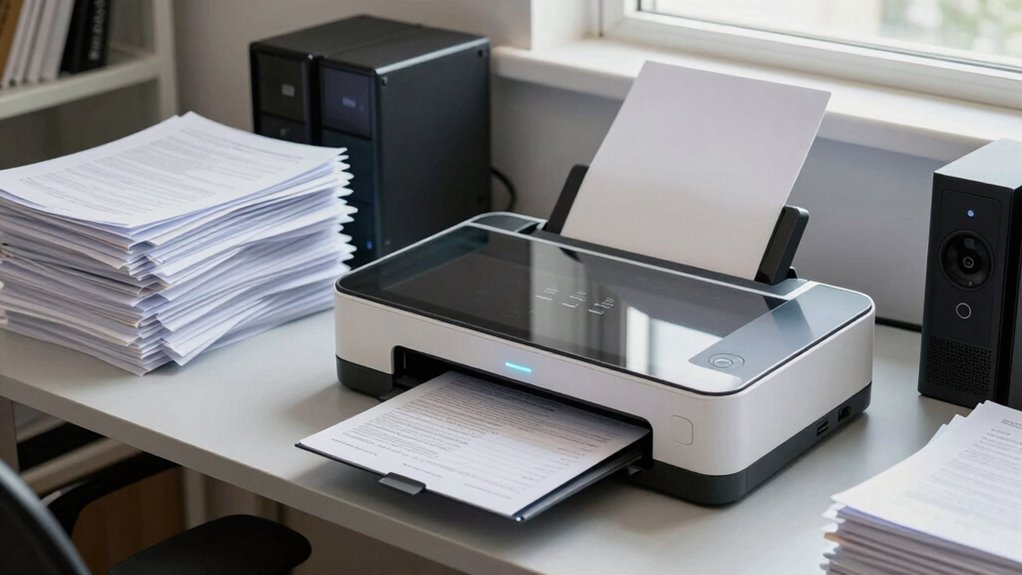
Large scan files can considerably slow down your workflow because they take up excessive scan storage and strain your digital bandwidth. When files are massive, your device needs more space to store them, which can quickly fill up your hard drive and make file management cumbersome. Additionally, transferring large scans over your network consumes significant bandwidth, leading to slower upload and download speeds. This can cause system resource strain, further degrading performance. Processing these hefty files also taxes your system’s resources, causing lag or crashes. As a result, your overall efficiency drops, and tasks take longer to complete. Managing scan file sizes is essential to keep your workflow smooth, ensure quick access to documents, and avoid unnecessary delays caused by oversized files. Incorporating automation tools can help optimize this process by automatically reducing file sizes without sacrificing detail, making file management more efficient and reliable. Moreover, utilizing file compression techniques tailored for high-quality scans can significantly reduce file sizes while maintaining necessary detail. Employing file optimization strategies can further streamline your workflow by balancing quality and size effectively.
high resolution document scanner
As an affiliate, we earn on qualifying purchases.
As an affiliate, we earn on qualifying purchases.
How Resolution and Compression Affect Your Scan Quality

Understanding how resolution and compression influence your scan quality helps you balance file size with clarity. Resolution impact determines the level of detail captured; higher resolution means sharper images but larger files. Conversely, lowering resolution reduces file size but may sacrifice important details. Compression techniques are equally vital—they shrink files by removing redundant data, but excessive compression can introduce artifacts and reduce clarity. Lossless compression preserves image quality while reducing size, whereas lossy compression saves more space at the expense of some detail. To optimize your scans, find the right balance between resolution and compression. Adjusting these settings carefully ensures your files remain clear enough for your needs without becoming unwieldy in size. Properly managing resolution and compression is key to efficient, high-quality scanning, especially when considering the contrast ratio that affects how well details are rendered in dark scenes.
image optimization tools for scanning
As an affiliate, we earn on qualifying purchases.
As an affiliate, we earn on qualifying purchases.
Choosing the Best File Formats for Smaller, Clearer Scans
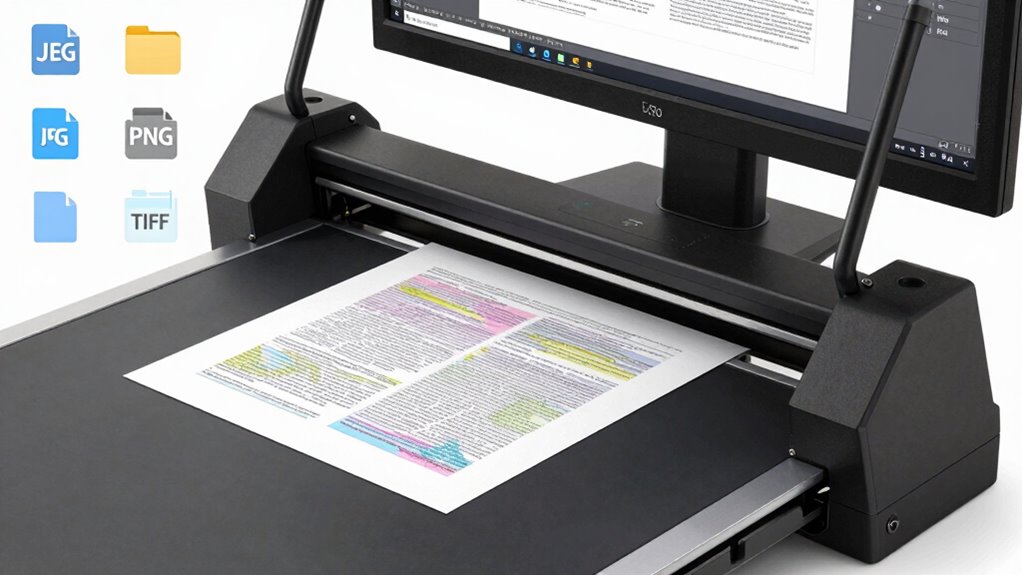
Choosing the right file format is essential for keeping your scans small while maintaining clarity. Your file format choices directly impact the balance between image resolution and file size. To optimize your scans, consider these key points:
- Use PDF for multi-page documents with text and images, as it compresses well without losing clarity.
- Select TIFF only when high-quality preservation is necessary; it results in larger files.
- Opt for JPEG when you need smaller files and can accept some quality loss, especially for photographic images.
- Understanding measurement accuracy and how it relates to image detail can help you select the most appropriate format for your specific needs. Additionally, considering the evolution of arcade games can provide insights into how digital images are preserved and optimized for clarity and size.
- Recognizing the importance of authenticity in digital images can guide you in choosing formats that best balance integrity with file size. Incorporating content quality principles from SEO strategies can also ensure your scans retain essential details even with compression.
Your goal is to match the file format to your scan’s purpose, considering how image resolution interacts with compression. Proper file format choices help keep your scans clear and manageable without sacrificing detail.
metadata tagging software for PDFs
As an affiliate, we earn on qualifying purchases.
As an affiliate, we earn on qualifying purchases.
How to Compress Files Without Losing Details

To compress files without losing important details, you need to balance effective compression with preserving image quality. Lossless compression techniques allow you to reduce file sizes while maintaining all original data, guaranteeing detail preservation. Tools like ZIP, PNG, or TIFF formats utilize lossless algorithms that eliminate redundancy without sacrificing clarity. When compressing, avoid over-aggressive settings that could cause artifacts or blurring. Always preview the compressed file to verify that critical details remain sharp and clear. Additionally, understanding compression algorithms can help you select the most suitable approach for your specific needs. Exploring compression standards can further aid in choosing compatible and efficient methods for your files. Being familiar with file formats can ensure you select the best type of compression for your data. Recognizing the importance of lossless compression techniques helps maintain fidelity while reducing file size. By choosing the right compression method and settings, you can markedly reduce scan file sizes without compromising the quality needed for accurate analysis or reproduction. Properly understanding compression algorithms can help you select the most suitable approach for your specific needs. This careful approach ensures your files stay manageable, yet retain the essential details you require.
Setting Your Scanner for Smaller Files During Capture
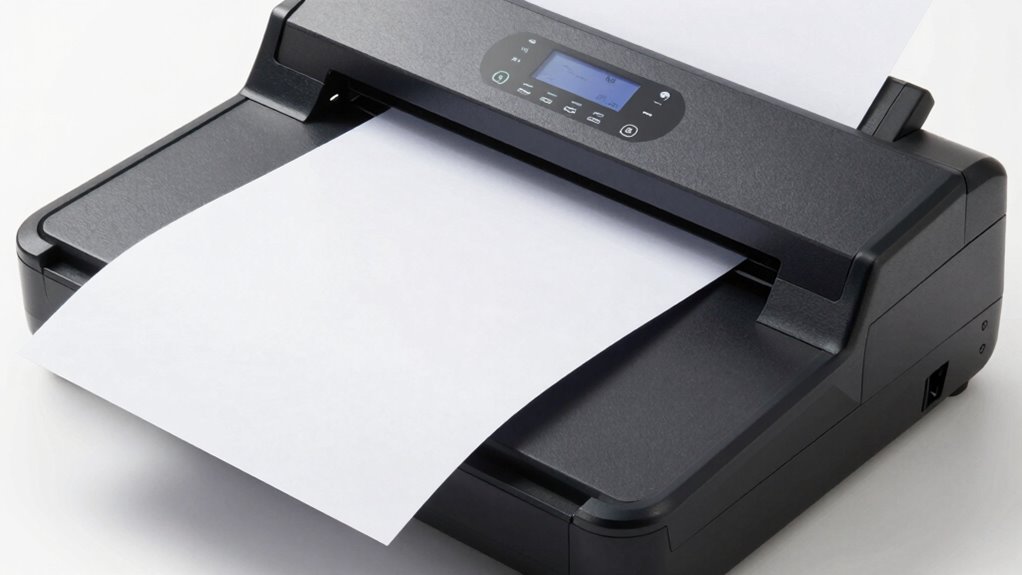
When you want smaller scan files, adjusting your scanner settings during capture is the most effective approach. Properly configuring your scanner can considerably reduce file size without sacrificing essential details. Focus on these key adjustments:
- Lower the capture resolution: Choose a resolution that balances clarity with file size, typically 150-300 dpi for most documents.
- Select appropriate file formats: Use compressed formats like PDF or JPEG instead of uncompressed TIFFs.
- Adjust scanner settings: Disable unnecessary features like color depth or multi-page scans if they aren’t needed, and opt for monochrome or grayscale when possible.
Organizing and Managing Large Scan Files for Easy Access

Organizing your scan files with a clear folder structure makes it easier to find what you need quickly. Using metadata tags adds another layer of organization, allowing you to search by keywords or categories. Together, these methods streamline access and keep your large files manageable. Additionally, implementing file naming conventions can further improve searchability and help prevent duplicates.
Efficient Folder Structures
Creating an efficient folder structure is essential for managing large scan files effectively. A well-organized folder hierarchy simplifies access and reduces confusion. To achieve this, focus on three key points:
- Use clear naming conventions that include dates, project names, or types for quick identification.
- Structure folders logically, such as by year, project, or document type, to keep related files together.
- Maintain consistency in naming and organization to avoid misplacement and streamline searches.
Metadata Tagging Systems
Implementing a robust metadata tagging system can substantially improve how you organize and access large scan files. Metadata tagging allows you to assign descriptive keywords, dates, subjects, and other relevant details to each file, streamlining digital asset management. With effective metadata, you can quickly locate specific scans without sifting through endless folders. This system enhances searchability and reduces file clutter, saving you time and effort. When managing massive scan collections, consistent and standardized tags ensure accuracy and ease of use. By integrating metadata tagging into your workflow, you create a more efficient, scalable way to handle your digital assets. Ultimately, this approach helps you preserve detail, while simplifying access and reducing the need for redundant file storage.
When and How to Use PDF Optimizers and Image Editors to Reduce Files
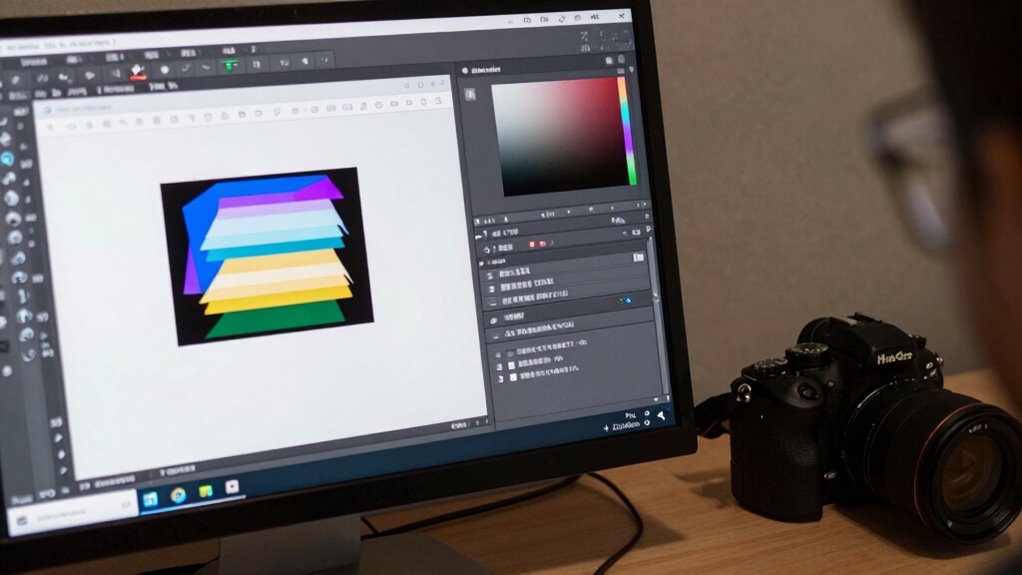
Knowing when and how to use PDF optimizers and image editors can make a significant difference in reducing large scan file sizes. Use these tools when you need to shrink files without sacrificing essential detail. Here are three key steps:
- Apply PDF optimization to remove unnecessary elements and compress images within the file.
- Use image editing techniques to adjust resolution, crop, or enhance images before embedding them into PDFs.
- Combine compression settings with selective editing to balance quality and file size effectively.
Common Mistakes That Hurt Scan Quality When Compressing
One common mistake that can hurt scan quality during compression is setting overly aggressive parameters, which often results in significant detail loss. Resolution pitfalls occur when you lower the resolution too much, causing blurry or pixelated images. Many users make compression mistakes by choosing high compression ratios without considering the impact on image clarity. This can lead to loss of important details and text readability issues. Another error is neglecting to check how compression affects different areas of the scan, especially complex regions. Rushing through settings or applying uniform compression across all files without adjustments can cause unnecessary quality degradation. To avoid these issues, balance compression levels carefully and test different settings before finalizing, ensuring you don’t sacrifice essential details for smaller file sizes. Additionally, understanding how content complexity influences compression outcomes can help optimize quality while reducing file size effectively. Recognizing the content type of your scans can guide you toward more suitable compression techniques that preserve critical information. Being aware of compression settings and their effects allows for a more tailored approach to maintaining scan fidelity. Moreover, paying attention to file format choices can further preserve image integrity during compression.
Tips to Preserve Quality After Compression and Saving
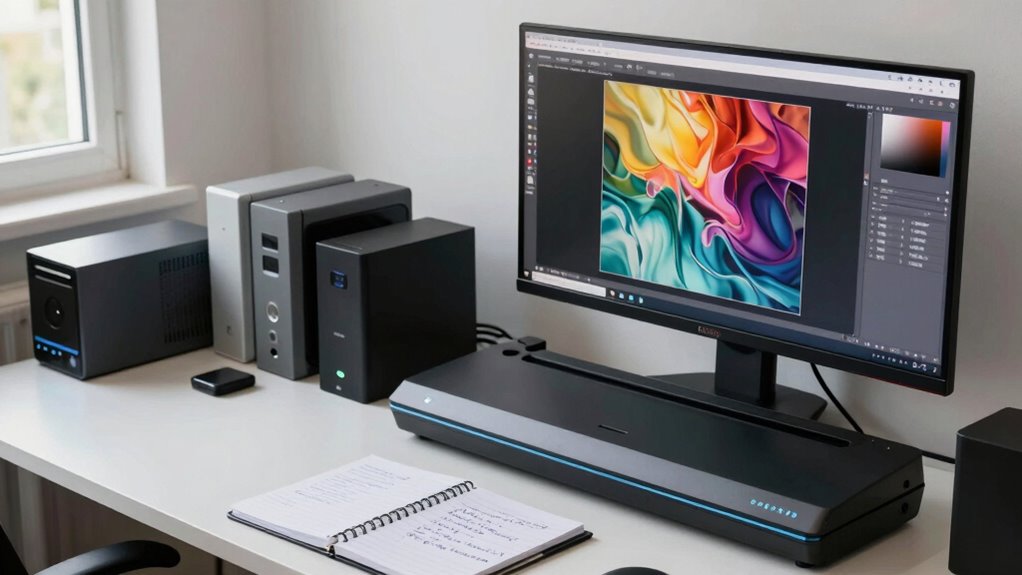
To preserve quality after compression and saving, it’s essential to review your settings carefully and make adjustments as needed. Focus on maintaining color accuracy to guarantee scans look true to life, especially if color fidelity matters. Additionally, consider file encryption to protect sensitive information without compromising quality. Here are key tips: 1. Use lossless compression formats to retain color accuracy and detail. 2. Adjust image resolution minimally to balance size reduction and clarity. 3. Encrypt files properly to secure data without degrading image quality. 4. Understanding family photoshoot fails and potential mishaps can help in planning better scans of family images, preventing unexpected issues. 5. Being aware of file compression techniques can further assist in choosing the best method to reduce file size while maintaining essential details. Incorporating image quality preservation strategies can help ensure that the final output remains sharp and vibrant even after compression. Additionally, paying attention to air purifier maintenance dos and don’ts can help keep your workspace clean and free of dust, which can affect scanner performance.
Frequently Asked Questions
Can I Reduce Scan File Sizes Without Any Impact on Color Accuracy?
Yes, you can reduce scan file sizes without affecting color accuracy by properly calibrating your scanner’s color settings. Use accurate color calibration tools to guarantee true color reproduction. Then, apply effective compression algorithms—like lossless compression—that minimize file size while preserving color details. This approach maintains color fidelity and detail, allowing you to save storage space without sacrificing the quality of your scanned images.
What Are the Best Practices for Archiving Large Scanned Documents?
You should implement effective metadata management and storage optimization techniques to archive large scanned documents efficiently. Organize files with detailed metadata for easy retrieval, and compress or choose appropriate formats to minimize storage space. Regularly review and update your archive system, ensuring data integrity. Automate workflows where possible, and consider cloud storage solutions for scalability. These practices help maintain document quality while managing storage costs and improving accessibility.
How Does Document Type Influence Optimal Compression Settings?
Like an artist selecting the right brush, your choice of file format and compression algorithms directly impacts your document’s clarity. For text-heavy scans, PDFs with lossless compression preserve details, while JPEGs suit images with lossy compression for smaller sizes. Understanding your document type helps you fine-tune settings, balancing file size and quality. Choosing the best combination ensures your scans remain sharp without unnecessary bulk.
Are There Automatic Tools to Balance Quality and File Size During Scanning?
Yes, automated optimization tools can help balance quality and file size during scanning. They use advanced algorithms to adjust compression levels dynamically, ensuring your scans retain essential details while minimizing size. These tools often include quality management features, allowing you to set preferences and automate the process. This way, you save time and maintain high-quality digital copies without manually tweaking settings for every scan.
How Do Different Scanning Hardware Affect Final File Size and Quality?
Your scanner hardware greatly impacts both file size and quality. Higher scanner resolution captures more detail, resulting in larger files but better clarity. Durable hardware ensures consistent performance, reducing the need for rescanning and potential quality loss. Cheaper or less advanced scanners may produce lower quality images or smaller files at the expense of detail. Invest in reliable hardware with adjustable resolution settings to balance file size and image quality effectively.
Conclusion
Reducing scan file sizes is essential for streamlining your workflow without sacrificing detail. Did you know that compressing images with lossless methods can reduce file sizes by up to 50% while preserving quality? By choosing the right formats, settings, and tools, you can keep your scans clear and manageable. Take control of your files today, and you’ll save time, storage space, and maintain the integrity of your important documents.
Fall Picks
fall essentials
As an affiliate, we earn on qualifying purchases.