
Digital foil finishing uses toner or adhesive to transfer metallic or holographic foils onto various surfaces, eliminating the need for traditional heat and pressure. It offers precise control, great for intricate designs, and works on many materials like paper and plastics. This process is faster, more flexible, and produces sharp, detailed effects. If you want to understand how this innovative technique can elevate your projects, there’s more to discover below.
Key Takeaways
- Digital foiling transfers metallic or holographic foil onto surfaces using adhesive or toner, without heat or pressure from traditional presses.
- It offers precise, detailed finishes with faster turnaround and seamless integration on diverse materials like paper and plastic.
- Equipment includes digital foiling machines with heated rollers or flatbeds, along with high-quality foil rolls and adhesives.
- Effects such as holographic, embossed, and textured finishes enhance luxury branding and create visual depth.
- Proper tool care, substrate testing, and design accuracy are essential for achieving professional, vibrant foil finishes.

Heidi Swapp 9.5" Foil Applicator Machine Starter Kit, 4 Roller, Up to Letter-Size (9.5") Electrothermal Laser-Printer Toner-Reactive Foiling, Compatible with Toner-Reactive Foils & Carrier Sheets
Add a touch of brilliance to any creation — easily apply metallic foil to your laser-printed designs for…
As an affiliate, we earn on qualifying purchases.
As an affiliate, we earn on qualifying purchases.
What Is Digital Foil Finishing and How Does It Work?
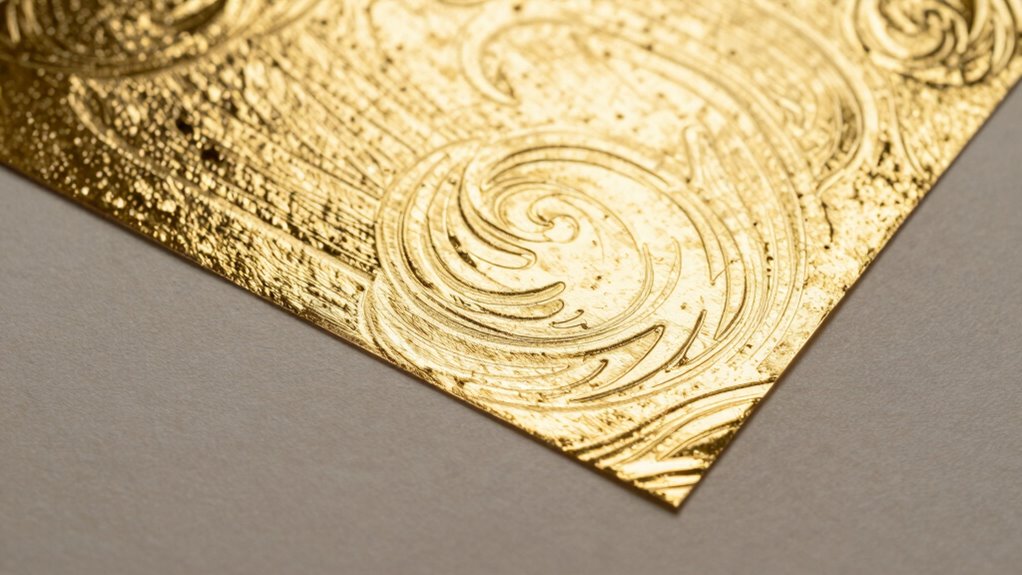
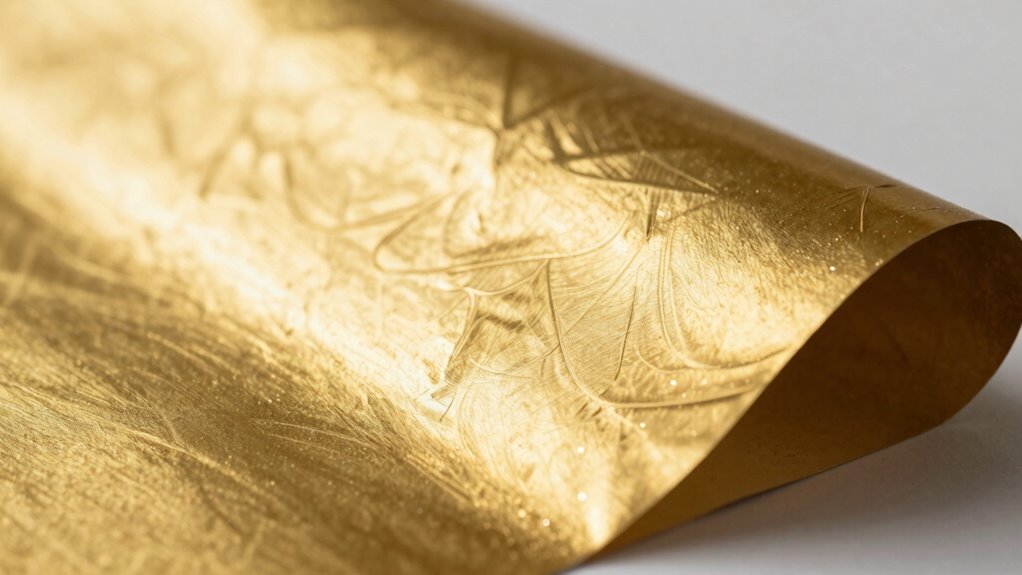
Have you ever wondered how striking metallic effects are added to printed materials without traditional foil stamping? Digital foil finishing makes this possible through a process called foil transfer. Instead of using heat and pressure on a press, digital methods apply a special adhesive or toner that holds the foil in place. When the foil is pressed onto the surface, it transfers smoothly, creating a shiny, metallic look. This technique also allows for holographic effects, giving your designs a shimmering, multi-dimensional appearance. Digital foil finishing is precise, versatile, and faster than traditional methods, making it ideal for small runs or customized projects. It also leverages digital concepts to enable more creative possibilities and quick turnaround times. Additionally, advancements in digital printing technology have further expanded the range of effects achievable with digital foiling.

8 PCS Toner Reactive Foil Roll Use with Laminator Laser Printer,Paper Holographic Heat Transfer Crafts Foil Roll for Scrapbooking Crafting Cardstock Hot Stamping Holographic Heat Tranfer 5mx19cm/Roll
Add stunning foiled elements to any card, scrapbooking, DIY, or mixed media project.
As an affiliate, we earn on qualifying purchases.
As an affiliate, we earn on qualifying purchases.
How Digital Foiling Differs From Traditional Methods

Digital foiling offers you greater precision and control over your designs compared to traditional methods. It also allows for a wider range of materials to be used without sacrificing quality. Understanding these differences helps you choose the best technique for your specific project. Additionally, digital foiling can be integrated seamlessly into luxury lifestyle products, enhancing their overall aesthetic and appeal.
Precision and Control
Unlike traditional foiling methods, digital foiling offers unmatched precision and control, allowing you to achieve intricate designs with ease. With digital technology, you can precisely control the foil application, ensuring sharp lines and detailed images. This precision control minimizes errors and rework, giving you consistent quality across your projects. You can easily adjust settings for different materials or design complexities, maintaining uniformity throughout. Digital foiling’s accuracy means you’re less dependent on manual skill, reducing variability and enhancing overall quality. This level of control makes it possible to produce highly detailed, professional finishes that stand out. Whether working on small runs or complex motifs, digital foiling delivers consistent results, making it an efficient and reliable choice for high-quality foil finishing.
Material Compatibility
How does digital foiling set itself apart regarding material compatibility? Unlike traditional methods, digital foiling offers greater flexibility with substrates. It works well on a variety of materials, including papers, plastics, and specialty substrates, thanks to its adaptable process. The key to successful digital foiling lies in maintaining proper foil adhesion across different surfaces. Because it uses precise digital registration and controlled heat application, it can handle substrates with varying flexibility without compromising quality. Traditional foil methods often require specific, rigid materials, but digital foiling adjusts to different thicknesses and textures more effectively. This compatibility ensures a seamless foil finish, even on unconventional or delicate materials, broadening your creative options while maintaining consistent adhesion. Additionally, compatibility with diverse materials makes digital foiling a versatile choice for innovative printing projects.
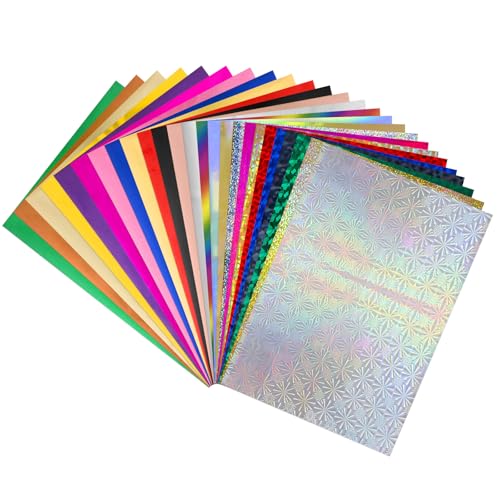
25 Colors 100 Pieces Toner Reactive Foil for Laminator, 20x29cm/7.9×11.4inch Foil Paper for Toner Foiling Scrapbooking Craft Projects Card Making, Foil by Laser Printer and Laminator ( 25 Colors )
【PACKAGE INCLUDES】You will receive 50 Sheets Foil,20x29cm(7.9×11.4inch) approx per sheet,using this Foil to create a unique gift for…
As an affiliate, we earn on qualifying purchases.
As an affiliate, we earn on qualifying purchases.
Materials and Equipment for Digital Foil Projects

To start your digital foil projects, you need to understand the different foil material types available and how they affect your design. You’ll also want to select the right digital foiling machine that fits your workflow and budget. Don’t forget essential accessories like transfer sheets and application tools to guarantee smooth, professional results. Additionally, understanding the Free Floating technique can help you achieve seamless and dynamic foil effects on various substrates. Exploring foil material options can further enhance your project’s versatility and durability.
Foil Material Types
When working on digital foil projects, selecting the right foil materials and equipment is vital for achieving professional results. Foil material types vary widely, offering options like metallic finishes that add a sleek, shiny look to your designs. These foils create bold, eye-catching effects perfect for logos, packaging, and accents. If you want to add a dynamic, eye-catching element, holographic effects are ideal—they reflect light in multiple colors, creating a shifting, multidimensional appearance. Different foils come in sheets, rolls, or specialty finishes, so choose based on your project needs. High-quality foils ensure crisp transfers and vibrant results, making your digital foil projects stand out. Proper selection of foil type is an imperative step toward achieving the desired aesthetic and professional finish. Additionally, understanding the creative storytelling behind your branding can inspire unique design choices that resonate emotionally with your audience.
Digital Foiling Machines
Are you ready to elevate your digital foil projects with the right equipment? Digital foiling machines are essential tools that enable precise application of foil, offering a variety of foil textures and color options. These machines come in different sizes and capabilities, from desktop models to larger commercial units, allowing you to choose based on your project scope. They typically feature heated rollers or flatbeds that press foil onto your design with accuracy and consistency. With the right machine, you can experiment with diverse foil textures—smooth, matte, holographic—and a broad spectrum of color options to match your creative vision. Investing in a quality digital foiling machine ensures professional results while expanding your possibilities for unique, eye-catching finishes. Proper equipment selection based on your project needs is crucial for achieving optimal foil adhesion and finish quality. Additionally, understanding the materials and equipment involved helps in troubleshooting and maintaining consistent results across projects. For optimal performance, selecting appropriate materials compatible with your machine can greatly improve the durability and appearance of your foiled designs. Moreover, understanding requirements traceability can help track the materials and processes used, ensuring compliance and quality in your foiling projects. Incorporating knowledge of LiFePO4 battery maintenance can also be beneficial if your digital foiling setup includes portable or battery-powered equipment, helping to ensure reliable operation and safety.
Essential Accessories Needed
Essential accessories are crucial for achieving professional-quality results in your digital foil projects. To create stunning foil stamping and holographic finishes, you need the right tools and materials. First, you’ll need high-quality foil rolls compatible with your machine, including metallic and holographic options to add dazzling effects. Second, a reliable adhesive or foiling transfer adhesive ensures crisp, clean designs without smudges or misalignments. Additionally, selecting the correct digital foil techniques and safety tips can help prevent damage and ensure a safe working environment throughout your project. Proper care and maintenance of your tools can extend their lifespan and maintain optimal performance. Finally, precision cutting tools, such as craft knives or dies, help refine your finished work and add intricate details. These accessories ensure your digital foiling process runs smoothly, producing vibrant holographic finishes and sharp foil stamping that elevate your projects from amateur to professional quality.

A4 50PCS Home Work Rose Red Metallic Film Digital Foiling Foil Paper Roll By Laser Printer – (Color: green)
Color: green
As an affiliate, we earn on qualifying purchases.
As an affiliate, we earn on qualifying purchases.
Types of Digital Foil Effects You Can Achieve

Digital foil effects open up a world of design possibilities, allowing you to add eye-catching metallic details without the need for traditional foiling processes. You can create embossed textures that give your project a tactile, raised feel, adding depth and sophistication. Advanced digital techniques enable the simulation of real foil finishes with remarkable accuracy. These techniques often incorporate digital embossing to enhance the realism of raised effects. Holographic effects are another popular choice, offering vibrant, shifting colors that catch the light from every angle. These effects can be customized to suit your style, whether you want subtle shimmer or bold metallics. Digital foiling also enables precise, clean lines and intricate patterns that might be difficult with traditional methods. Overall, these effects expand your creative options, making your designs more engaging and professional-looking while saving time and resources. Incorporating measurement tools can further enhance the quality and precision of your digital foiling projects.
Best Uses and Applications for Digital Foiling

Wondering where digital foiling can make the biggest impact? It’s perfect for elevating luxury branding and packaging design. This technique adds a sophisticated shine that captures attention and conveys quality. Here are the top applications:
- Luxury Packaging: Use digital foiling to highlight logos or intricate patterns, giving your packaging a premium feel that stands out on shelves.
- Business Cards and Stationery: Enhance branding with subtle metallic accents that communicate professionalism and exclusivity.
- Event Invitations: Create memorable invites with eye-catching foil details, making recipients feel special. Digital foiling’s versatility allows you to customize designs easily, making it ideal for brands aiming to make a bold impression without the high costs of traditional foil methods. Additionally, understanding the digital foiling process can help designers optimize their projects for better results and durability, especially by leveraging precise application techniques that ensure consistent shine and adhesion. Incorporating specialized equipment can further improve the quality and efficiency of the foiling process, ensuring a polished final product.
Pros and Cons of Digital Foil Finishing for Designers and Brands
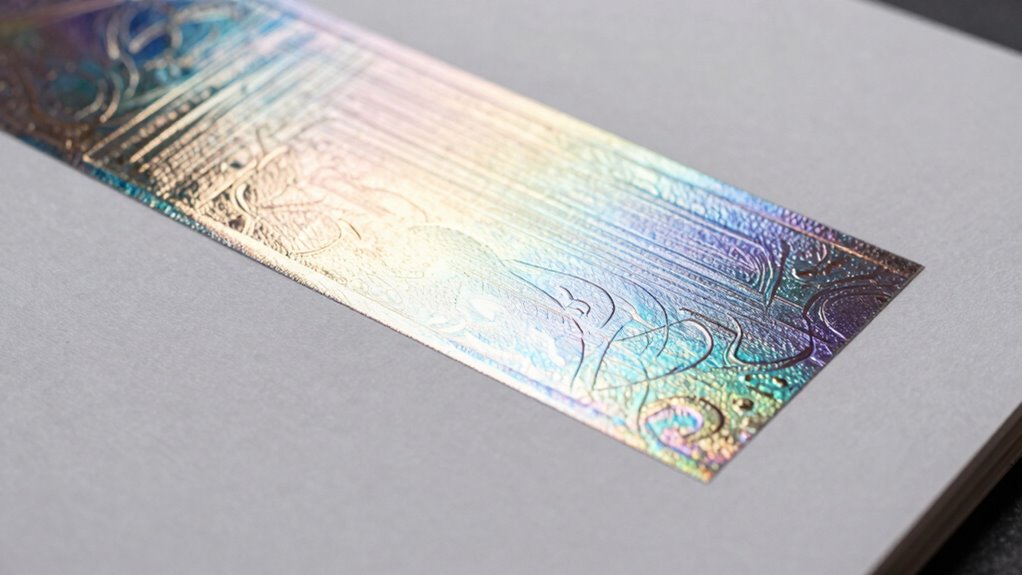
While digital foiling offers exciting opportunities for designers and brands to create eye-catching finishes quickly and cost-effectively, it also presents some drawbacks to contemplate. One major consideration is the environmental impact, as traditional foil processes often use less eco-friendly alternatives. Digital foiling may generate more waste or rely on materials that aren’t fully sustainable. Additionally, the sustainability of materials involved in digital foiling can vary depending on the technology and supplies used, impacting the overall environmental footprint. The cost comparison can be mixed: digital foiling typically reduces setup costs and turnaround times, but the per-unit price might be higher for small runs compared to traditional methods. It’s essential to weigh these pros and cons, especially if sustainability is a priority for your brand. Moreover, understanding the eco-friendly aspects of various finishing options can help you make more environmentally conscious choices. Considering the printing process involved in digital foiling helps to better grasp its efficiency and potential waste generation. Ultimately, digital foiling’s efficiency and versatility are appealing, but understanding its limitations helps you make informed decisions aligned with your values and budget.
Tips for Getting High-Quality Results With Digital Foiling
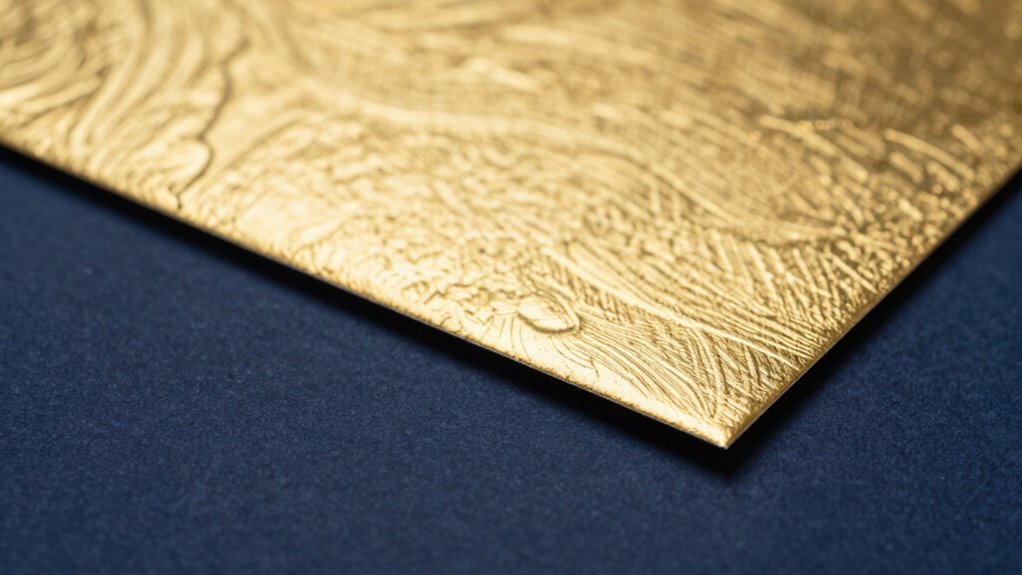
Achieving high-quality results with digital foiling starts with careful preparation and attention to detail. To guarantee a flawless finish, focus on precise design files and proper substrate selection. Incorporate embossing techniques to add depth and texture, enhancing the overall look. When considering foil coloring, choose shades that complement your design for a striking effect. Here are three tips to improve your results:
- Use high-resolution artwork and double-check cut lines for accuracy.
- Experiment with embossing techniques to create tactile interest.
- Test different foil colors on scrap material to find the perfect match before final application.
Frequently Asked Questions
Can Digital Foiling Be Used on All Types of Paper?
Digital foiling works best on many paper textures, but it’s not suitable for all types. You should consider the paper’s surface, as smoother textures like cardstock or coated paper yield better foil adhesion and vibrant foil colors. Textured or rough papers may not produce clean results, and the foil may not stick well. Always test your paper beforehand to guarantee the foil colors pop and the finish looks professional.
How Durable Is Digital Foil Compared to Traditional Foiling?
Digital foil is generally less durable than traditional foiling because it has lower wear resistance and adhesive strength. You might notice it beginning to fade or peel over time, especially with frequent handling or exposure to moisture. To maximize durability, guarantee proper application and choose high-quality digital foiling materials. While it offers great visual effects, keep in mind that traditional foiling still holds an edge in long-term wear resistance.
Is Digital Foiling Suitable for Small Batch or One-Off Projects?
Digital foiling is like a magic wand for small batch or one-off projects, making it perfect for limited edition or custom designs. You can achieve high-quality foil effects without the need for costly setups, so it’s ideal for personalized or experimental pieces. Plus, its flexibility allows you to produce detailed, intricate designs quickly, giving you the freedom to create unique, eye-catching finishes without breaking the bank.
What Are Common Troubleshooting Issues With Digital Foiling?
You might encounter troubleshooting issues like foil misalignment or adhesive problems during digital foiling. To fix foil alignment, double-check your registration and ensure your substrate is properly loaded. For adhesive issues, verify that your adhesive layer is applied evenly and compatible with the foil. Regularly calibrate your machine and maintain a clean workspace to prevent these common problems from affecting your project quality.
Can Digital Foiling Be Combined With Other Printing Techniques?
Yes, you can combine digital foiling with other printing techniques to create unique designs. By layering foil, such as holographic effects, over digital prints, you add depth and visual interest to your project. This fusion allows you to emphasize specific elements, making them pop. Just guarantee your digital print is compatible with foil layering, and work closely with your printer to achieve seamless integration for stunning, multi-dimensional results.
Conclusion
Digital foiling offers a versatile, cost-effective way to add stunning metallic effects to your projects. While some believe it can fully replace traditional methods, research shows it’s best suited for specific applications rather than all. By understanding its capabilities and limitations, you can make smarter design choices. Embrace digital foiling as a powerful tool in your arsenal—when used correctly, it truly elevates your work without sacrificing quality or efficiency.