
TL;DR

Get business pricing on monitors, keyboards and dev gear
- Business-only prices and quantity discounts
- Tax-exempt purchasing
- Multiple users, one account, clear invoices
Diraq says it has installed an eight-qubit silicon spin quantum computer at Equinix’s commercial data center in Sydney. The company is targeting an upgrade to as many as 256 qubits in the same deployment within a year, but that remains a goal, and the current system is not described as delivering useful commercial quantum applications.
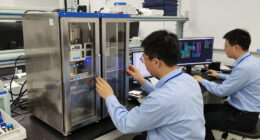
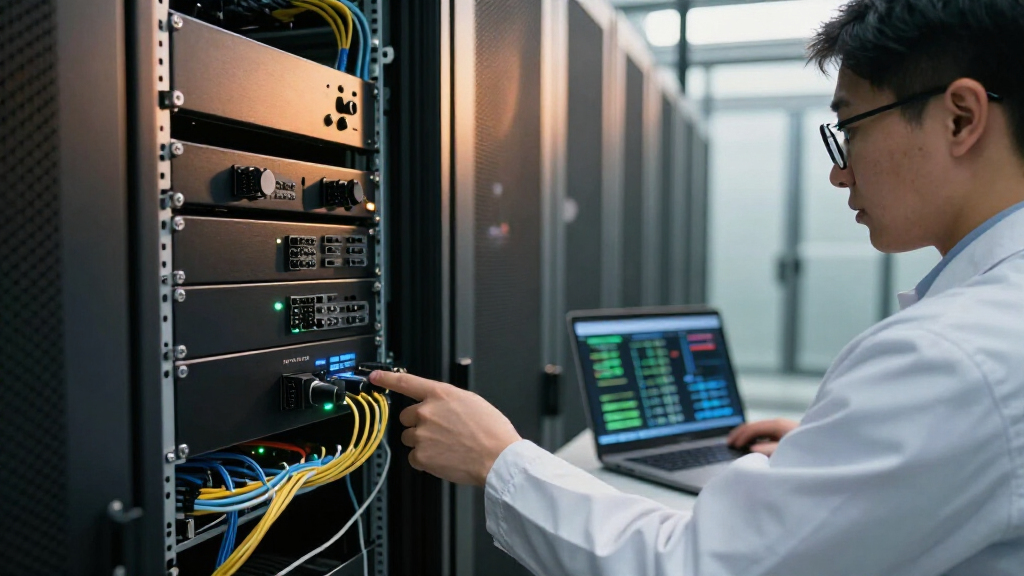
Diraq says it has installed and activated an eight-qubit silicon spin quantum computer at an Equinix data center in Sydney, Australia, placing the company’s system inside commercial computing infrastructure. Diraq calls it the first commercial data center deployment of a silicon spin quantum computer; the installation is a step toward operating quantum hardware alongside conventional systems, but its present computing capabilities and customer access have not been detailed.
The company says the deployed system uses eight qubits, draws less than 20 kilowatts of power and occupies about 170 square feet. Diraq is targeting an expansion to as many as 256 qubits within a year in the same system. That figure is a company target, not a confirmed upgrade schedule or a report of current capacity.
Diraq says its silicon spin processors are made using semiconductor manufacturing processes used for conventional chips. The company argues this could let it increase quantum processing capacity by upgrading the processor, with fewer changes to a data center’s surrounding infrastructure. Equinix executive Harmeen Mehta described the installation as a proof point for quantum systems operating alongside infrastructure already used by businesses.
The announcement also accompanies Diraq’s release of a report called Quantum at Work, which discusses possible applications in medicine, energy, materials, climate and transport. Diraq’s analysis estimates that a 10-percentage-point improvement in clinical trial success rates could save about US$600 million per medicine by identifying failed candidates earlier. Those figures are modeled estimates, not measured savings from this installation or results produced by the eight-qubit system.
A Quantum System Enters Data Center Operations
The deployment matters as a test of whether a quantum computer can be installed and operated in a site built for commercial digital infrastructure, rather than only in a dedicated research setting. Data centers serve sectors including finance, healthcare, utilities, manufacturing and retail. If quantum systems can work alongside existing equipment without major facility changes, organizations could eventually explore access through familiar infrastructure.
For now, the announcement establishes a physical installation and operating site, not a commercially useful quantum service or a demonstrated business outcome. Eight qubits is the reported size of the system, and Diraq has not provided performance results or evidence that it has run applications that outperform conventional computers. The significance lies in the deployment pathway being tested, while the scale-up and practical value remain to be shown.
Products Worth Considering

Amazon Kindle Scribe (3rd Generation), 64GB, 11-inch Display, Graphite, with Premium Pen

Amazon Kindle Paperwhite (2024, 16 GB) – 7-inch Glare-Free Display, Black

Jackery Explorer 300 Portable Power Station with SolarSaga 100W Solar Panel
As an affiliate, we earn on qualifying purchases.
Diraq’s Scale-Up Plans and Funding
Diraq presents silicon spin technology as a route to larger quantum processors using established semiconductor production techniques. Its claims that this approach could reduce costs and make systems compact are part of the company’s case for the architecture; the supplied announcement does not include independent comparisons of total costs, performance or facility requirements across quantum technologies.
The data center installation follows Diraq’s advancement to Stage C of DARPA’s Quantum Benchmarking Initiative, according to the company. The source says the program is evaluating paths to utility-scale quantum computing and that Diraq is one of six companies to reach that stage, with potential funding of up to US$300 million. Diraq also says it signed a US$38 million letter of intent with the U.S. Department of Commerce under the CHIPS and Science Act. A letter of intent is not, by itself, evidence that the funding has been paid.
“We are now at a point where quantum computing can start to reach industries and the people they serve.”
— Andrew Dzurak, Diraq’s chief executive and founder
Performance and Commercial Access Remain Unclear
The announcement does not state what quantum operations the Sydney system has completed, how its performance was measured, or whether customers can use it. It also gives no details on error rates, uptime, the cooling and control equipment involved, or how the computer connects to conventional systems. Those details would help assess how the installation performs in a working data center.
Diraq’s plan to reach as many as 256 qubits within a year is a target, and the source does not explain what technical milestones must be met to reach it. The company’s medical and economic figures come from modeling described in its report; they do not establish that quantum computing has improved trial outcomes or reduced drug-development costs. The source also does not provide independent verification of Diraq’s claim that this is the first deployment of its kind.
The 256-Qubit Target Is the Next Test
The next reported milestone is whether Diraq can upgrade the deployed system to as many as 256 qubits within a year. The company has not specified interim milestones, a precise completion date or performance targets for the expanded system. Reporting on those details, along with measured operation in the data center, will help establish whether the installation can scale as planned.
Diraq has also released its Quantum at Work report, but the announcement does not name a date for customer access, commercial applications or a public performance demonstration. Until those details emerge, the confirmed development is the installation itself; its practical computing uses and economic effects remain to be demonstrated.
Key Questions
What did Diraq install at Equinix?
Diraq says it installed an eight-qubit silicon spin quantum computer at Equinix’s data center in Sydney, Australia. The company says the system is operating at the site.How large and power-hungry is the system?
Diraq reports that the current system occupies about 170 square feet and draws less than 20 kilowatts. These are company-reported figures.Is the computer already being used to develop medicines?
The announcement does not say that the Sydney system is being used for medicine discovery or that it has produced drug-development results. The report’s estimated savings from improved clinical trial success rates are modeled projections, not outcomes from this computer.What is Diraq’s next target?
Diraq is targeting an upgrade to as many as 256 qubits within a year. The announcement does not provide interim milestones or confirm that the target has been reached.Source: thequantuminsider.com