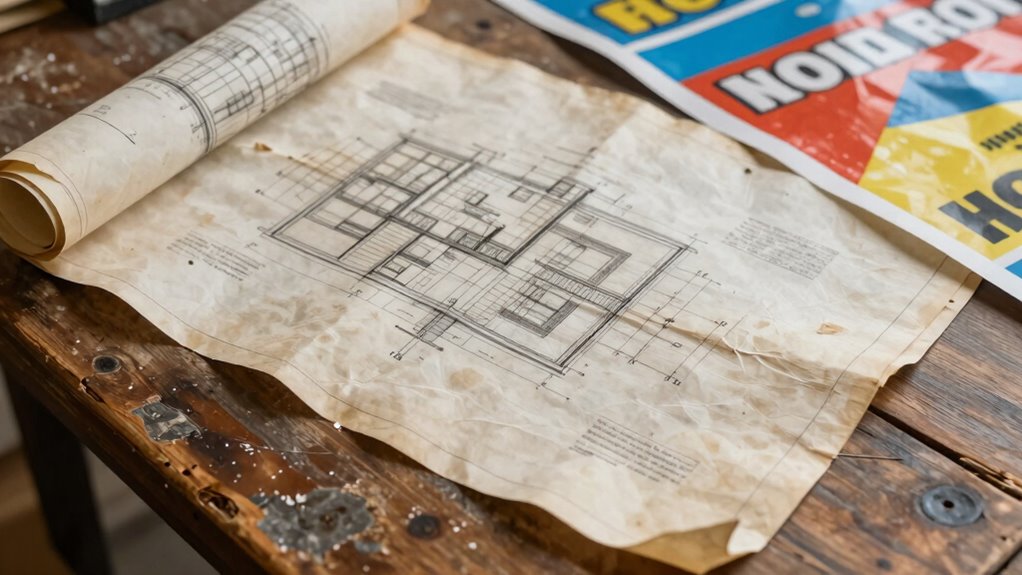

Old blueprints need different handling than posters because they’re made from fragile, chemically sensitive materials that can easily tear, fade, or deteriorate if not cared for properly. You must support the entire sheet, use gloves, and avoid bending or folding them. Their detailed ink and delicate paper require special storage and conservation techniques. If you continue, you’ll discover more practical tips to preserve these valuable documents effectively.

Get monitors, keyboards and dev gear delivered free — and shop member deals
- Fast, free delivery on millions of items
- Access to Prime Big Deal Days deals on October 6–7
- Prime Video, Amazon Music and more included
Key Takeaways
- Blueprints are made from fragile, chemically sensitive materials that degrade more easily than lightweight posters.
- Their detailed ink and delicate paper require gentle handling to prevent fading, tears, or chemical damage.
- Proper storage in acid-free, stable environments is essential to preserve their structural and informational integrity.
- Handling must support entire sheets to avoid creases or tears, unlike posters which are more resilient to physical stress.
- Conservation techniques, like mending tears with Japanese tissue, are necessary due to their age and material composition.
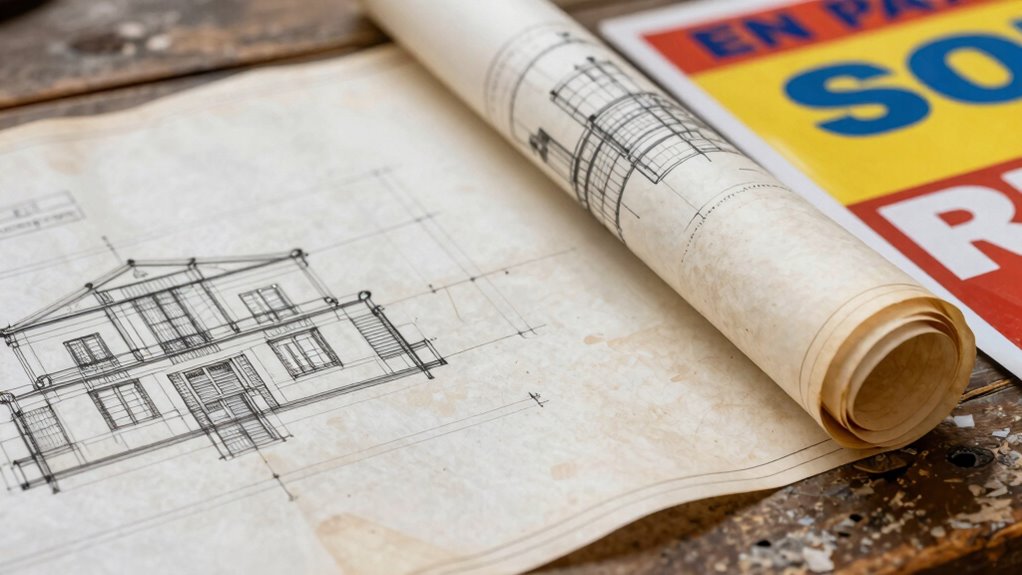
Handling old blueprints requires careful attention to preservation and accuracy. Unlike posters, which are often made from lightweight paper and designed for display, blueprints are technical documents that contain detailed architectural or engineering information. They are typically fragile due to their age, delicate materials, and the inks used, which can fade or deteriorate over time. Because of this, you can’t treat them the same way you would posters. Instead, you need to adopt specialized restoration techniques that focus on maintaining their integrity. Proper handling involves understanding their delicate nature and implementing methods to prevent further deterioration. This includes gentle cleaning, avoiding direct exposure to light, and ensuring minimal physical stress during examination or transport. Proper handling is essential for ensuring their longevity and preserving their historical value.
Archival storage becomes essential once you’ve properly handled old blueprints. You should store them in acid-free, lignin-free folders or sleeves, which help prevent chemical reactions that accelerate deterioration. These materials provide a neutral environment that minimizes the risk of ink smudging or paper weakening. When stacking or storing blueprints, keep them flat and avoid folding or rolling unless necessary, and if so, use acid-free tubes designed for archival purposes. The goal is to protect the documents from environmental factors like humidity, temperature fluctuations, and pollutants that speed up aging. Controlled environments with stable temperature and humidity levels are *vital*—ideally, around 65-70°F and 40-50% humidity.
Handling old blueprints also requires you to be mindful of their unique physical and chemical properties. You should use gloves to prevent oils and dirt from transferring onto the paper, which can cause staining or further degradation. When you need to move or examine a blueprint, do so with clean, dry hands or gloves, and support the entire sheet to prevent tears or creases. If a blueprint is fragile or torn, consider consulting a conservation professional who can perform delicate restoration techniques to stabilize the document. These techniques might include mending tears with Japanese tissue and special adhesives that are reversible and non-damaging. Additionally, understanding material composition can help in selecting appropriate conservation methods and prevent unintentional damage.
archival blueprints storage sleeves
As an affiliate, we earn on qualifying purchases.
As an affiliate, we earn on qualifying purchases.
Frequently Asked Questions
Can Old Blueprints Be Safely Stored in Humid Environments?
Old blueprints shouldn’t be stored in humid environments because moisture can cause serious damage. You need to use proper environmental controls, like maintaining low humidity and stable temperatures, to preserve them. Store your blueprints in acid-free storage containers that protect against humidity and dust. These steps help prevent deterioration, ensuring your blueprints stay intact and legible over time. Always monitor environmental conditions regularly for the best preservation.
What Are the Best Methods to Prevent Further Deterioration?
You think keeping old blueprints in perfect shape is easy? Think again. To prevent further deterioration, you should use specialized conservation techniques tailored for archival materials. Store blueprints in a cool, dry environment away from light, and handle them with gloves. Using acid-free folders and proper supports can also help. Ironically, the best way to preserve fragile blueprints is to treat them as delicate archival treasures, not just paper.
Are There Specific Cleaning Techniques for Fragile Blueprints?
For fragile blueprints, you should use gentle cleaning techniques, avoiding harsh chemicals or abrasive tools. Lightly dust the surface with a soft brush or microfiber cloth. When necessary, apply archival adhesives carefully to reinforce weak areas without causing damage. Always test any cleaning method on a small, inconspicuous area first. Handling with utmost care guarantees the blueprints remain intact and preserved for future study.
How Long Do Old Blueprints Typically Last With Proper Care?
With proper preservation techniques, old blueprints can last decades, sometimes even over a century. Material degradation is slowed when you control environmental factors like humidity, temperature, and light exposure. Regularly inspecting and carefully handling them prevents further damage. You should store blueprints flat in acid-free materials and avoid folding or creasing. Proper care guarantees your old blueprints remain intact and legible for generations to come.
Can Digital Copies Replace the Need to Handle Original Blueprints?
Digital copies can greatly reduce the need to handle original blueprints, but they shouldn’t fully replace them. Digital preservation, stored securely in cloud storage, guarantees that you have access without risking damage. However, handling the originals remains essential for detailed inspections and verification. By combining digital copies with careful physical handling, you protect your blueprints while maximizing accessibility and long-term preservation.
Japanese tissue paper for document repair
As an affiliate, we earn on qualifying purchases.
As an affiliate, we earn on qualifying purchases.
Conclusion
Handling old blueprints is truly an art that requires gentle care and respect for their delicate nature. By treating these treasures with a touch of kindness, you guarantee they remain vibrant storytellers of the past, quietly sharing their secrets for years to come. Embrace the subtle nuances of preservation, and you’ll find that your efforts not only protect history but also deepen your appreciation for these timeless documents. After all, a little tenderness goes a long way in keeping history alive.
acid-free document folders for blueprints
As an affiliate, we earn on qualifying purchases.
As an affiliate, we earn on qualifying purchases.
gloves for handling fragile documents
As an affiliate, we earn on qualifying purchases.
As an affiliate, we earn on qualifying purchases.
Fall Picks
fall essentials
As an affiliate, we earn on qualifying purchases.