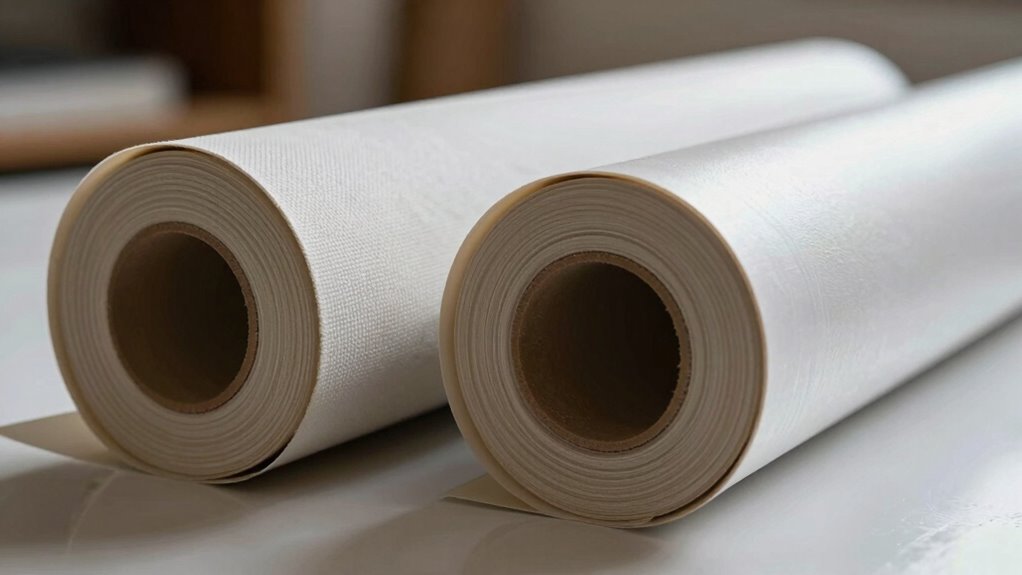

Choosing between canvas rolls and fine art rolls affects your print’s detail, durability, and appearance. Canvas rolls have a textured surface that adds tactile dimension but may obscure fine details and fade faster over time. Fine art rolls use high-quality materials that deliver sharper images and long-lasting color, making them ideal for valuable artwork. To discover how these differences influence your final output and why your choice matters, keep exploring the details behind each option.

Get business pricing on monitors, keyboards and dev gear
- Business-only prices and quantity discounts
- Tax-exempt purchasing
- Multiple users, one account, clear invoices
Key Takeaways
- Fine art rolls offer higher resolution and detail accuracy due to their smooth, archival-quality surface.
- Canvas rolls have a textured surface that can obscure fine details but add tactile depth to prints.
- Fine art materials ensure longer-lasting, color-rich prints resistant to fading over decades.
- Canvas rolls tend to produce vibrant colors quickly but may degrade faster under environmental stress.
- Surface and material quality significantly influence ink adherence, visual clarity, and overall print durability.
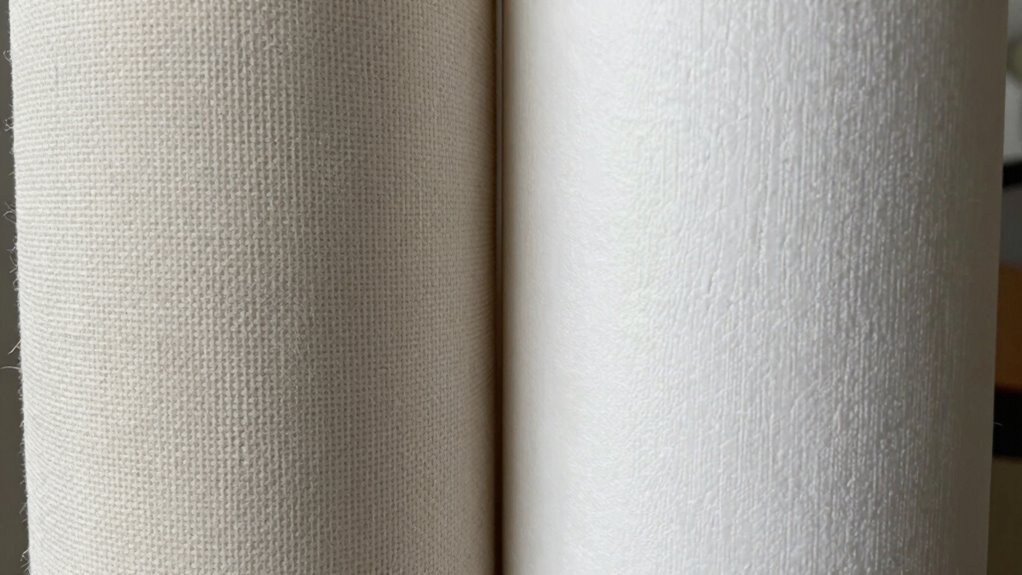
When choosing between canvas rolls and fine art rolls, understanding their differences is crucial for artists and collectors alike. Both options serve different purposes and offer distinct qualities that influence the final output. For digital printing, the type of roll you select can dramatically affect the artwork’s appearance, durability, and overall value. Canvas rolls are typically made from cotton or polyester blends, designed for high-volume printing and practical use. They tend to be more affordable and are popular for commercial applications, such as reproductions or large-scale displays. Fine art rolls, on the other hand, are crafted with premium materials like archival-quality paper or fine art-grade canvas, tailored for high-end art production. They often feature a smoother surface and finer texture, which enhances detail and color accuracy in digital prints.
Choosing between canvas and fine art rolls impacts print quality, durability, and value for artists and collectors alike.
One of the key differences that impact output quality is ink longevity. Fine art rolls generally use archival inks and materials that resist fading over time. This means your digital prints on fine art rolls can maintain their vibrancy and detail for decades, making them ideal for collectors and galleries. Conversely, canvas rolls, while suitable for vibrant colors, may not offer the same level of ink longevity. The inks on standard canvas rolls can sometimes fade or deteriorate faster, especially if exposed to direct sunlight or harsh environments. Choosing the right roll is essential for ensuring your artwork withstands environmental factors and maintains its appearance over time, especially for valuable pieces. Additionally, the surface texture of the roll plays a significant role in the final appearance and tactile feel of the print, influencing how viewers perceive the artwork. The material composition also affects how well the ink adheres and the overall durability of the print. For example, some materials are specifically designed to resist environmental damage, further prolonging the lifespan of your print. Hence, if your goal is to produce art that lasts, fine art rolls are the safer choice.
Digital printing quality also hinges on the surface texture and material composition of the roll. Fine art rolls boast a smoother surface that captures fine details more precisely, which is especially noticeable in intricate artwork or photographic reproductions. Canvas rolls typically have a textured surface that adds a tactile dimension to the print, but this can sometimes obscure fine details. The choice of roll influences not only aesthetics but also how well the ink adheres and how the image appears under different lighting conditions. For high-resolution, detailed images meant for framing or sale, fine art rolls provide superior clarity and depth. Additionally, fine art rolls often feature archival-quality materials that ensure the print’s longevity and resistance to environmental damage.
In terms of output quality, you should consider the purpose of your print. If you’re producing works for sale, display, or collection, investing in fine art rolls might be worth the extra cost due to their superior longevity and detail. For more casual reproductions or large-scale projects where cost efficiency is essential, canvas rolls serve well without sacrificing too much in visual quality. Ultimately, the choice of roll depends on balancing your budget with the desired durability and visual fidelity of your digital prints.
As an affiliate, we earn on qualifying purchases.
Frequently Asked Questions
Are There Differences in Pricing Between Canvas and Fine Art Rolls?
Yes, there are differences in pricing between canvas and fine art rolls. You’ll notice pricing variations due to material costs, with fine art rolls generally costing more because of higher-quality materials and specialized finishes. Canvas rolls tend to be more affordable, making them suitable for larger projects or casual uses. Your choice depends on your budget and quality requirements, but expect material costs to influence overall pricing considerably.
Which Roll Type Offers Better Longevity for Archival Purposes?
Think of your artwork as a treasure chest—its longevity depends on the material inside. Fine art rolls generally offer better archival durability due to their superior material composition, resisting fading and deterioration over time. Canvas rolls may not last as long, especially if exposed to light or humidity. For lasting preservation, choose fine art rolls, since their quality guarantees your masterpiece remains vibrant and intact for years to come.
Can I Use Both Roll Types With the Same Printing Equipment?
You can generally use both roll types with the same printing equipment, but you need to take into account compatibility concerns. Check your printer’s specifications for media compatibility to avoid issues like improper feeding or printing quality problems. Some printers are designed to handle both canvas and fine art rolls, but others may require adjustments or specialized settings. Always verify equipment compatibility to guarantee the best output and prevent damage.
How Do Surface Textures Differ Between Canvas and Fine Art Rolls?
Think of canvas and fine art rolls like different musical instruments—each offers unique surface finishes and texture variations. Canvas rolls usually have a textured surface that adds a tactile, grainy feel, perfect for bold art styles. Fine art rolls, on the other hand, often feature smoother, matte or glossy finishes, highlighting fine details. Your choice impacts the artwork’s feel and visual depth, shaping how viewers experience your piece.
Are There Specific Print Settings Recommended for Each Roll Type?
You should adjust your print settings for each roll type by prioritizing print calibration and ink compatibility. For canvas rolls, use settings that enhance color vibrancy and texture detail, ensuring proper calibration for accurate color reproduction. For fine art rolls, select softer profiles to preserve subtle tones and fine details, verifying ink compatibility to prevent smudging or color shifts. Tailoring these settings helps achieve ideal output quality for both media types.
canvas print rolls for digital printing
As an affiliate, we earn on qualifying purchases.
As an affiliate, we earn on qualifying purchases.
Conclusion
Ultimately, choosing between canvas rolls and fine art rolls is like selecting the right brush for your masterpiece—you’ll find each offers subtle nuances that can elevate your work. While canvas rolls might whisper of durability, fine art rolls gently hint at refined detail. By paying attention to these delicate differences, you’ll guarantee your creations are truly treasured. Embrace the journey of discovery, and let your art reveal its fullest potential—sometimes, the smallest change makes the biggest impact.
archival quality art paper rolls
As an affiliate, we earn on qualifying purchases.
As an affiliate, we earn on qualifying purchases.
As an affiliate, we earn on qualifying purchases.
Fall Picks
fall essentials
As an affiliate, we earn on qualifying purchases.