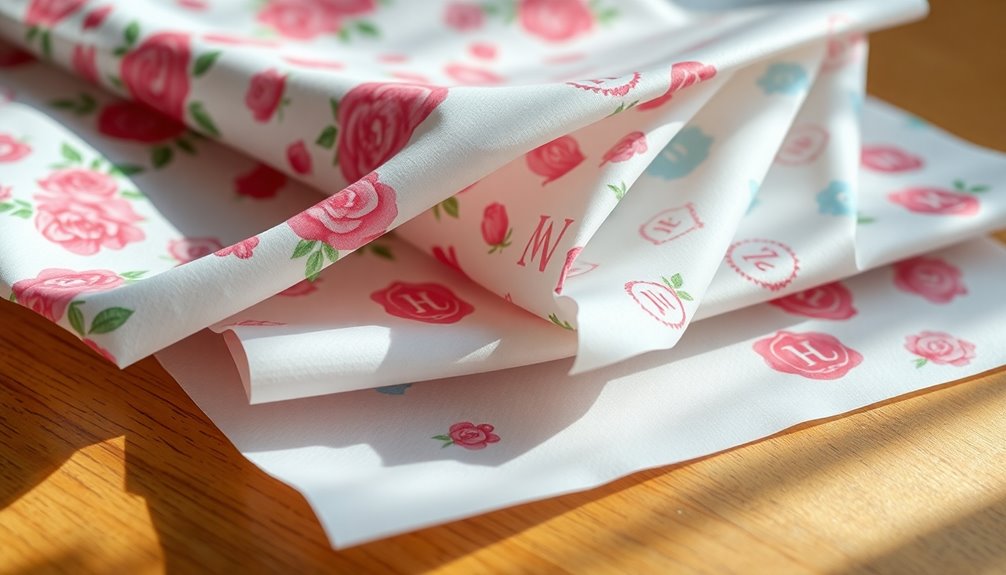
Tissue paper production faces challenges like high resource consumption, deforestation, and waste. However, solutions such as recycling used paper, adopting innovative pulping methods, and choosing products made from recycled fibers help reduce environmental impact. By supporting brands that prioritize sustainability and opting for eco-friendly options, you can make a difference. Continuing to explore these options will reveal more ways you can promote responsible tissue use and support a greener future.
Key Takeaways
- The tissue industry’s reliance on virgin wood fibers challenges sustainability by contributing to deforestation and resource depletion.
- Recycling innovations, such as new pulping methods, reduce water and energy consumption in tissue manufacturing.
- Consumer preferences for recycled and eco-certified tissues drive industry shifts toward more sustainable practices.
- Recycling tissues helps decrease landfill waste, conserve forests, and promote environmentally responsible resource use.
- Increased awareness and demand for eco-friendly tissues encourage industry innovation and adoption of greener production technologies.
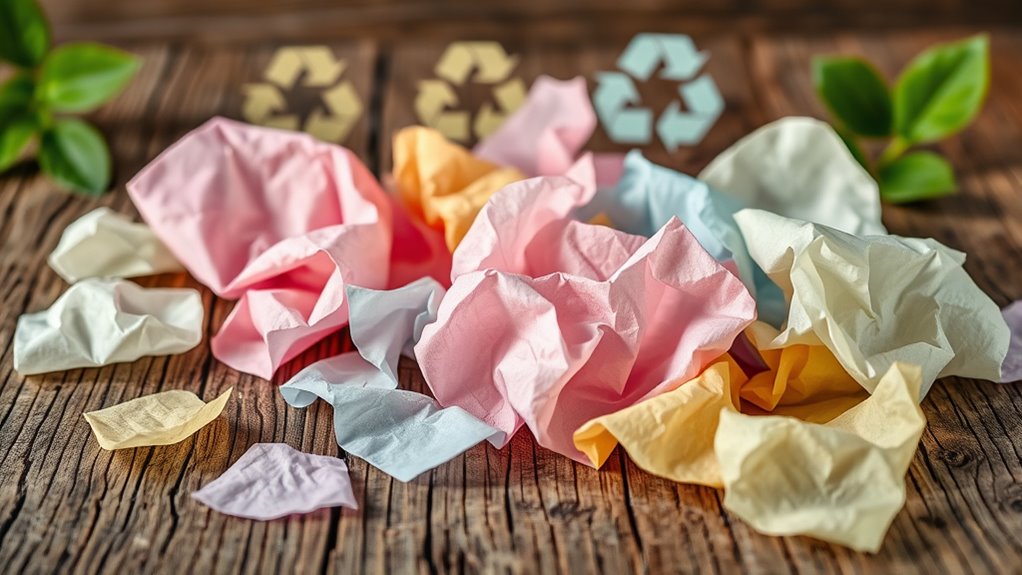
Have you ever wondered how your daily use of tissue paper impacts the environment? It’s easy to overlook the bigger picture when you’re grabbing a tissue, but the choices you make as a consumer can profoundly influence sustainability efforts. Recycling innovations have started to transform the tissue paper industry, offering new ways to reduce waste and conserve resources. Companies are now developing more efficient methods to recycle used paper products into high-quality tissue paper, which means less reliance on virgin wood fibers. These innovations include advanced pulping techniques that minimize water and energy consumption, making the entire process more eco-friendly. Your awareness as a consumer plays a critical role here—when you seek out products made from recycled materials, you send a clear signal to manufacturers that sustainable options matter. Increased consumer awareness has driven many brands to prioritize environmentally friendly practices, which can lead to a real shift in industry standards.
But understanding the significance of recycling innovations isn’t just about buying recycled tissue; it’s about recognizing how your choices support broader sustainability goals. For example, choosing tissues made from post-consumer waste helps close the recycling loop, reducing landfill waste and conserving forests. Educating yourself about these options and demanding transparency from brands about their sourcing and recycling efforts amplifies your impact. When you’re mindful of the environmental footprint of your tissue paper, you push companies to innovate further. This awareness can also influence your daily habits, encouraging you to opt for tissues that are biodegradable or certified by environmental organizations.
Furthermore, your influence extends beyond individual purchases. By spreading awareness about recycling innovations and sustainable practices, you can inspire others to make responsible choices. When more consumers prioritize eco-friendly tissue options, companies are compelled to improve their sustainability standards to stay competitive. This ripple effect accelerates the adoption of greener production processes and encourages the industry to develop new recycling technologies. Your role in this chain is essential—your demand for sustainable products can help shape a future where tissue paper manufacturing aligns more closely with environmental preservation.
Frequently Asked Questions
How Does Tissue Paper Contribute to Deforestation Globally?
You contribute to deforestation impact when you buy tissue paper made from virgin pulp, as it requires cutting down trees. This practice accelerates forest loss and hampers forest conservation efforts. By choosing recycled or sustainably sourced tissue products, you can help reduce deforestation and protect ecosystems. Your choices directly influence the environment, encouraging more sustainable practices and supporting forest conservation initiatives worldwide.
Are There Biodegradable Alternatives to Traditional Tissue Paper?
Yes, there are biodegradable alternatives to traditional tissue paper. Imagine turning waste into wonder—plant-based fibers like bamboo and hemp break down naturally, reducing environmental impact. Recycled materials, such as post-consumer paper, also serve as eco-friendly options, championing sustainability. These alternatives not only decompose easily but also help conserve forests, proving that making greener choices is both practical and powerful for our planet’s future.
What Certifications Indicate Eco-Friendly Tissue Paper Products?
You should look for eco label standards and certification programs like FSC, PEFC, or Green Seal when choosing eco-friendly tissue paper products. These certifications indicate the product meets strict environmental and sustainability criteria, such as responsible sourcing and reduced chemical use. By checking for these labels, you guarantee you’re selecting tissue paper that supports eco-conscious practices and reduces your environmental footprint.
How Can Consumers Reduce Tissue Paper Waste Effectively?
To reduce tissue paper waste effectively, you should adopt recycling strategies like composting used tissue paper when possible and choosing reusable options. Increase your consumer awareness by opting for eco-friendly brands with certifications like FSC or FSC Mix. Be mindful of your usage, only using tissue paper when necessary, and encourage others to do the same. Small changes in your habits can markedly lessen waste and support sustainability.
What Innovations Are Emerging in Sustainable Tissue Paper Manufacturing?
Bright breakthroughs boost biodegradable fibers in tissue paper manufacturing, making it more sustainable. Recycling initiatives rapidly recover and reuse resources, reducing waste and environmental impact. Innovations like eco-friendly fibers, plant-based materials, and advanced recycling processes are emerging, transforming traditional tissues into biodegradable, eco-conscious choices. You can expect greener, cleaner solutions that promote sustainability, helping you make environmentally responsible decisions every time you reach for tissue, knowing you’re supporting innovative, impactful practices.
Conclusion
As you navigate the delicate dance between tissue paper and sustainability, remember that your choices are the brushstrokes shaping a greener future. Every mindful purchase becomes a seed planted in the earth’s heart, blooming into hope. By embracing eco-friendly options, you become a beacon guiding others through the fog of environmental challenges. Together, your actions weave a tapestry of change—bright, resilient, and rooted in a shared commitment to nurture our planet’s delicate fabric.