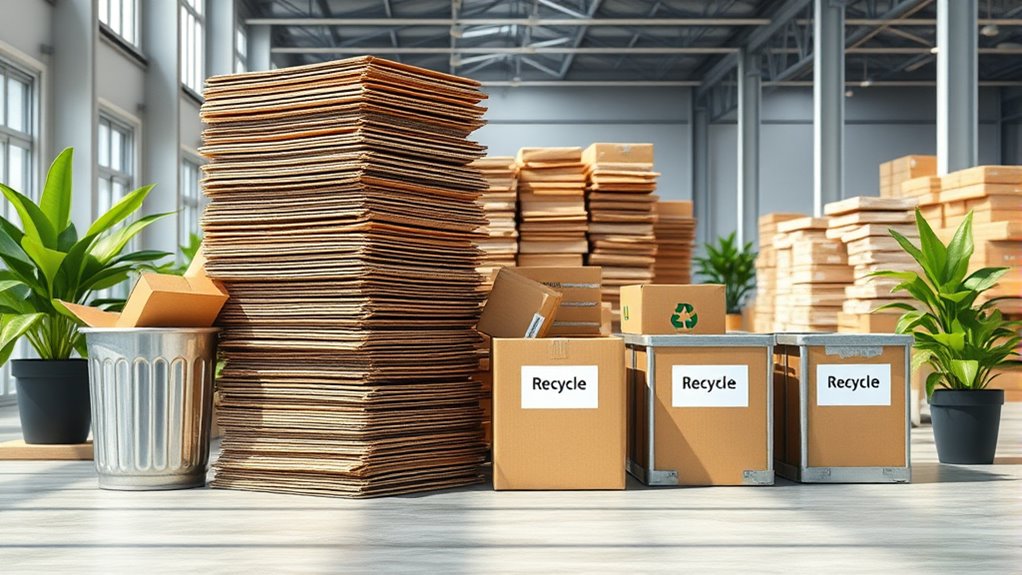

To recycle corrugated boxes effectively, make sure you remove any packing tape, labels, or plastic coatings, and keep the boxes clean and dry. Flatten them to save space and sort only pure fiberboard boxes to prevent contamination. Follow your local guidelines closely to avoid rejection, and educate yourself on specific recycling rules in your area. If you want to learn more about making your recycling practices even better, keep exploring the best tips and methods.
Key Takeaways
- Flatten boxes to save space and facilitate transportation.
- Remove tape, labels, and plastics to prevent contamination.
- Keep boxes clean and dry before placing in recycling bins.
- Sort only pure, uncontaminated corrugated fiberboard boxes.
- Follow local recycling guidelines to ensure proper processing.
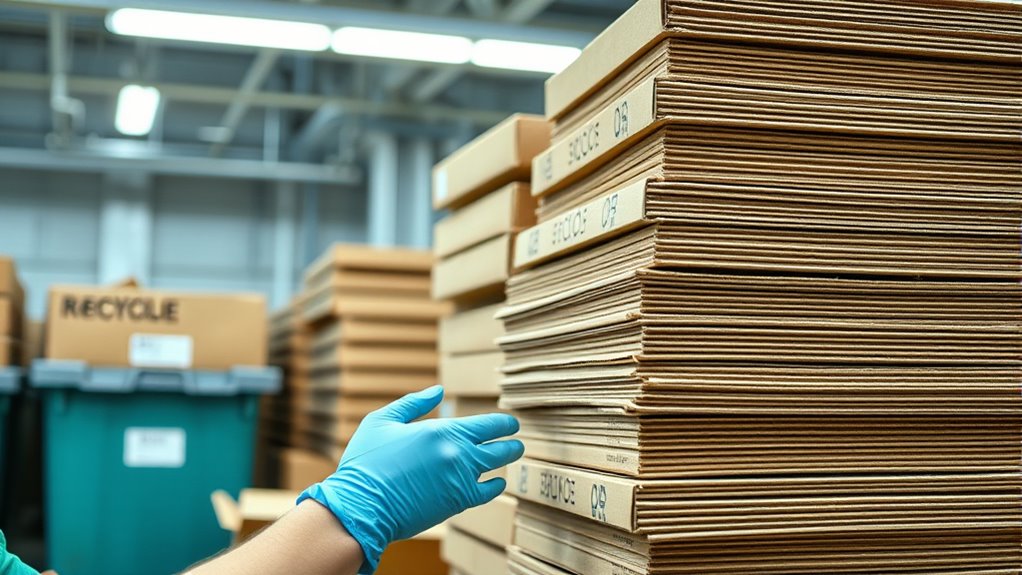
Recycling corrugated boxes is an essential step toward reducing waste and conserving resources. When you choose to recycle these boxes, you contribute to sustainable packaging practices that help lessen the environmental impact of your business or household. Corrugated cardboard is highly recyclable, making it an ideal material for sustainable packaging options. By properly recycling, you also help reduce the demand for virgin materials, which in turn lowers energy consumption and pollution associated with manufacturing new cardboard. However, understanding and overcoming recycling challenges is crucial to guarantee the process remains efficient and effective.
One of the main recycling challenges involves contamination. If your corrugated boxes are heavily soiled with food, grease, or other residues, they may not be accepted by recycling facilities. It’s important to clean and dry your boxes before recycling them. Flattening boxes helps save space and makes transportation easier, but you should also remove any packing tape, labels, or plastic coatings that can hinder the recycling process. These materials are often non-recyclable and need to be disposed of separately, making sure that the recycling stream remains pure and efficient.
Sorting is another challenge you might face. Not all corrugated boxes are created equal—some are lined with plastic or contain composite materials that complicate recycling efforts. To maximize recycling efficiency, you should focus on boxes made from pure corrugated fiberboard. When you deposit only clean, dry, and correctly sorted boxes into your recycling bin, you help streamline the process at the facility and prevent contamination that can cause entire batches to be rejected or downgraded. Proper preparation of your boxes not only supports sustainable packaging goals but also reduces the chances of delays or additional costs in recycling.
Education also plays a crucial role in overcoming recycling challenges. You need to stay informed about your local recycling guidelines, as these can vary by municipality. Many recycling programs encourage residents and businesses to educate themselves on what can and cannot be recycled, including specific instructions about corrugated boxes. Following these guidelines helps your efforts are effective and that your recycled materials are processed into new products efficiently. By understanding the importance of proper recycling practices, you actively contribute to a circular economy where materials are reused instead of discarded. Additionally, knowing the benefits of recycling can motivate more consistent participation in sustainability efforts.

40-Gallon Corrugated Cardboard Trash & Recycling Containers (10 Pack) – Heavy-Duty, Disposable & Recyclable Waste Bins for Events, Festivals & Construction Sites – Easy Assembly & Foldable Storage
PERFECT FOR EVENTS & LARGE GATHERINGS: These 40-gallon corrugated cardboard trash containers are ideal for outdoor events, weddings,…
As an affiliate, we earn on qualifying purchases.
As an affiliate, we earn on qualifying purchases.
Frequently Asked Questions
How Can I Identify Recyclable Versus Non-Recyclable Boxes?
To identify recyclable versus non-recyclable boxes, start with material identification—check if the box is made of corrugated cardboard, which is recyclable. Look for recyclability indicators like recycling symbols or labels on the box. Remove any non-paper materials, like plastic or foam, before recycling. If the box is stained with oil or food, it might not be recyclable. Clear labeling and material cues help you determine recyclability quickly.
Are There Specific Cleaning Steps Before Recycling Corrugated Boxes?
Think of your corrugated box as a clean canvas ready for reuse. Before recycling, you should follow simple cleaning procedures like removing tape, staples, and labels, then shaking out any debris. Contamination removal is key, so wipe off any food residue or dirt. These steps guarantee your box is properly prepared, making recycling more efficient and helping the environment thrive, just like a fresh canvas inspires new creations.
What Are Common Mistakes That Hinder Recycling Efficiency?
You often hinder recycling efficiency through incorrect sorting and improper disposal of corrugated boxes. Make sure you separate cardboard from plastics and other materials, as mixing them can contaminate the entire batch. Avoid throwing boxes into regular trash or leaving food residue, which can spoil recyclables. Properly flatten and clean boxes before disposal, and always follow local recycling guidelines to guarantee your efforts contribute effectively to the recycling process.
How Do Local Regulations Affect Corrugated Box Recycling?
Think of local regulations as the compass guiding your recycling journey. They shape recycling policies that directly impact how you handle corrugated boxes. When local laws are clear and strict, you’re more likely to follow best practices, ensuring your boxes are properly recycled. Conversely, lax or confusing regulations can lead to contamination or improper disposal. Staying informed about local rules helps you navigate the recycling landscape effectively and responsibly.
Can Contaminated Boxes Still Be Recycled Effectively?
Contaminated boxes can still be recycled, but effective contamination management is essential. Recycling contamination, like food residue or grease, hampers the process and may lead to rejection. You should remove any non-paper materials and guarantee boxes are as clean as possible before recycling. Proper sorting helps prevent contamination issues, making sure your efforts contribute to sustainable recycling and reduce waste in the process.

Sticker & Label Remover Tool – Plastic Peelers for Plastic, Glass & Wood – Adhesive, Decal, Price Tag, Glue & Paint Removal – Ergonomic Non-Slip Scraper for Crafts, DIY & Home Use (10)
EFFORTLESS STICKER & LABEL REMOVAL WITHOUT A SCRATCH: Avoid broken fingernails and messy chemicals. The Sticker & Label…
As an affiliate, we earn on qualifying purchases.
As an affiliate, we earn on qualifying purchases.
Conclusion
By recycling corrugated boxes, you’re opening the door to a greener future, turning what once was waste into a treasure trove of sustainability. Think of each box as a seed—you hold the power to plant change and watch it grow. When you choose to recycle, you’re not just tossing away material; you’re fueling a cycle of renewal, transforming trash into a essential part of our planet’s health. Your actions are the key to a brighter, greener tomorrow.
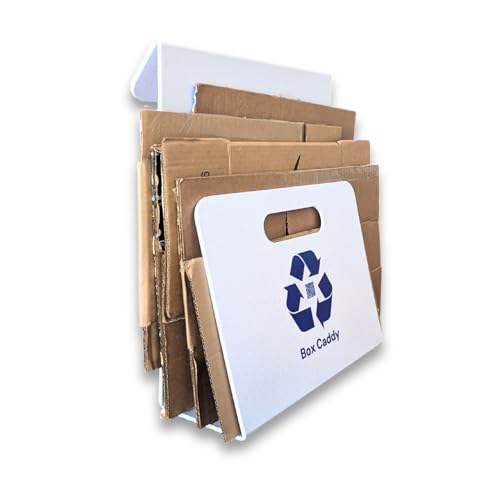
Box Caddy – Cardboard Recycling Organizer. The ultimate solution to store, transport, and recycle your boxes. Eliminates cardboard clutter. (White/Blue)
Box Caddy is the ultimate solution to easily store, transport, and recycle cardboard boxes
As an affiliate, we earn on qualifying purchases.
As an affiliate, we earn on qualifying purchases.
Box Caddy – Cardboard Recycling Organizer. The ultimate solution to store, transport, and recycle your boxes. Eliminates cardboard clutter. (White/Blue)
Box Caddy is the ultimate solution to easily store, transport, and recycle cardboard boxes
As an affiliate, we earn on qualifying purchases.
As an affiliate, we earn on qualifying purchases.