Flat file cabinets still beat digital-only thinking because they give you reliable, immediate access to documents without software or internet dependence. They offer tangible security for sensitive files, letting you see and touch what you need. While digital systems are quick and easy to share, they’re vulnerable to crashes, hacking, or data loss. A smart combination of both methods can enhance security and efficiency—keep going to discover how to make it work best for you.

Get business pricing on monitors, keyboards and dev gear
- Business-only prices and quantity discounts
- Tax-exempt purchasing
- Multiple users, one account, clear invoices
Key Takeaways
- Flat file cabinets provide immediate, tactile access to documents without reliance on technology or power sources.
- Physical storage reduces risks of data loss due to digital system crashes or cyberattacks.
- Organized physical files enable quick visual assessment, saving time during retrieval.
- They offer a secure storage option for sensitive documents, immune to digital breaches or hacking.
- Combining physical and digital methods ensures higher reliability and accessibility in document management.
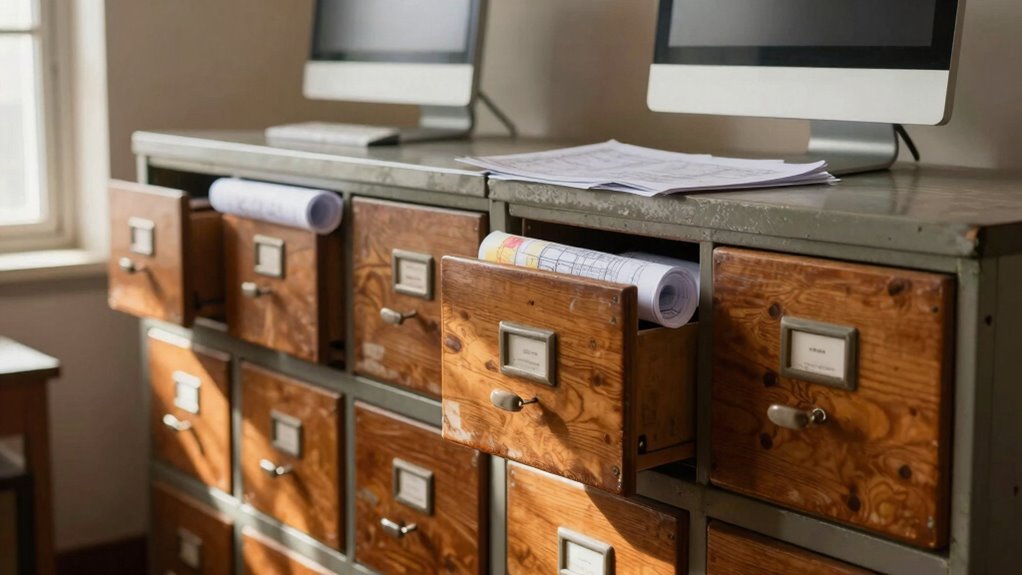
Despite the rise of digital technology, many organizations still cling to flat file cabinets, believing physical storage offers unmatched security and accessibility. When you rely on flat files, you benefit from tangible physical organization. You can see and touch the documents, which makes retrieval straightforward—no need to navigate complex software or worry about system outages. This visual aspect allows you to quickly assess what’s available, locate important files at a glance, and organize materials in a way that makes sense to your workflow. For many, this direct control over physical files offers peace of mind, especially when dealing with sensitive or irreplaceable documents.
Physical storage offers tangible organization and immediate access, providing peace of mind for sensitive or irreplaceable documents.
However, you should also recognize the accessibility challenges that come with relying solely on flat file cabinets. Physical storage requires space, and as your collection grows, it becomes harder to find room for new files. You might find yourself spending valuable time searching through drawers or shelves, which can frustrate productivity. In addition, accessing documents often involves manual effort—walking to the cabinet, opening drawers, and sorting through files—causing delays that digital systems could eliminate. These challenges become even more apparent when multiple team members need simultaneous access, as physical files can be difficult to share efficiently. You might also encounter issues with misplaced or damaged documents, which can lead to loss of important information and increased recovery time. Proper organization of physical files can help mitigate some of these risks, but it requires diligent management. Incorporating effective filing practices can further improve the reliability and ease of physical document retrieval.
While digital systems promise quick search functions and easy sharing, they’re not immune to problems either. System crashes, hacking, or data corruption can threaten your stored information. Yet, with proper backups and cybersecurity measures, you can mitigate these risks. In contrast, physical files, if stored properly, are immune to cyber threats but vulnerable to fire, flooding, or simple misplacement. This is why some organizations believe that a hybrid approach—combining the tangible security of physical organization with the efficiency of digital access—best serves their needs. Flat file cabinets aren’t just nostalgic relics; they remain a reliable component of a well-rounded information management strategy, especially when accessibility challenges with digital systems arise. Additionally, understanding physical storage limitations can help organizations better balance their document management approaches. Recognizing this can lead to more effective integration of both methods, ensuring safety and efficiency.
Products Worth Considering

Samsung Galaxy Tab A11+ 11-Inch Tablet, 6GB RAM, 128GB Storage, Expandable, Gray

Samsung Galaxy Tab S10 Lite, 10.9-inch LCD, 6GB RAM, 128GB Storage, Gray

Bose QuietComfort Headphones, White Smoke
As an affiliate, we earn on qualifying purchases.
Frequently Asked Questions
Are Flat File Cabinets More Affordable Than Digital Storage Solutions?
Yes, flat file cabinets are generally more affordable than digital storage solutions when considering cost considerations. They require a lower initial investment since you don’t need expensive hardware, software, or ongoing maintenance. Plus, they don’t depend on electricity or internet, reducing long-term expenses. If you’re managing a limited budget or prefer a simple, tangible storage option, flat file cabinets offer an economical choice that’s easy to implement and maintain.
How Secure Are Flat File Cabinets Against Theft or Damage?
Flat file cabinets stand as sturdy guardians, shielding your documents from theft and damage. Their physical security is high when locked securely, making unauthorized access a challenge. However, they are vulnerable to risks like fire, water, or physical break-ins. While they offer reliable protection against theft, their vulnerability risks highlight the importance of combining them with additional safeguards to guarantee your records stay safe and intact.
Can Flat File Cabinets Handle Large Volumes of Documents Efficiently?
Yes, flat file cabinets can handle large volumes of documents efficiently. They offer ample storage capacity, making paper organization straightforward without clutter. With multiple drawers and sturdy construction, you can store numerous files securely and access them quickly. Unlike digital systems, they don’t require power or software updates, ensuring reliable, long-term storage. This makes flat file cabinets a practical choice for managing extensive paper archives efficiently.
Do Flat File Cabinets Require Regular Maintenance or Updates?
Think of flat file cabinets as sturdy, timeless trunks—they don’t demand frequent updates like digital systems. You only need to perform periodic maintenance routines, such as checking for wear or dusting. Unlike digital tools that require constant updates to stay secure and functional, flat files remain reliable with minimal upkeep. This simplicity guarantees your documents stay organized and accessible without the hassle of regular updates or complex maintenance routines.
Are Flat File Cabinets Environmentally Friendly Compared to Digital Storage?
Flat file cabinets are generally more environmentally friendly than digital storage because they don’t require energy consumption to operate, reducing paper waste and energy use. Unlike digital systems that depend on electricity and electronic devices, flat files store physical documents sustainably. By opting for flat file cabinets, you minimize electronic waste and lower your carbon footprint, making them a greener choice for archiving and organizing important documents.
Conclusion
Despite the rise of digital storage, flat file cabinets still hold their ground. They offer tangible, immediate access and reduce reliance on technology. Notably, a recent survey found that 78% of professionals still prefer physical files for quick reference. So, don’t underestimate the power of a well-organized cabinet—sometimes, sticking with the tried and true is the smartest move. Keep your options open, and remember, not everything needs to be digital to be effective.