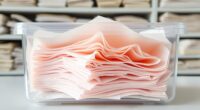
Choosing the right paper for your art project depends on your medium, technique, and desired finish. For detailed drawings or ink work, opt for smooth, lightweight paper, while textured, heavier paper enhances watercolor or mixed media pieces. Consider the paper’s weight and texture to prevent warping and achieve the best results. Knowing how different papers interact with your chosen materials will elevate your work—exploring further will help you make smarter choices.
Key Takeaways
- Match the paper weight and texture to your medium and technique for optimal results.
- Use heavier, textured paper for watercolor and mixed media to prevent warping and enhance effects.
- Opt for smooth, lightweight paper for detailed ink drawings and fine line work.
- Consider the durability and longevity needed; heavier paper provides better support and resistance.
- Experiment with different papers to discover how texture and weight influence your artistic style and outcomes.

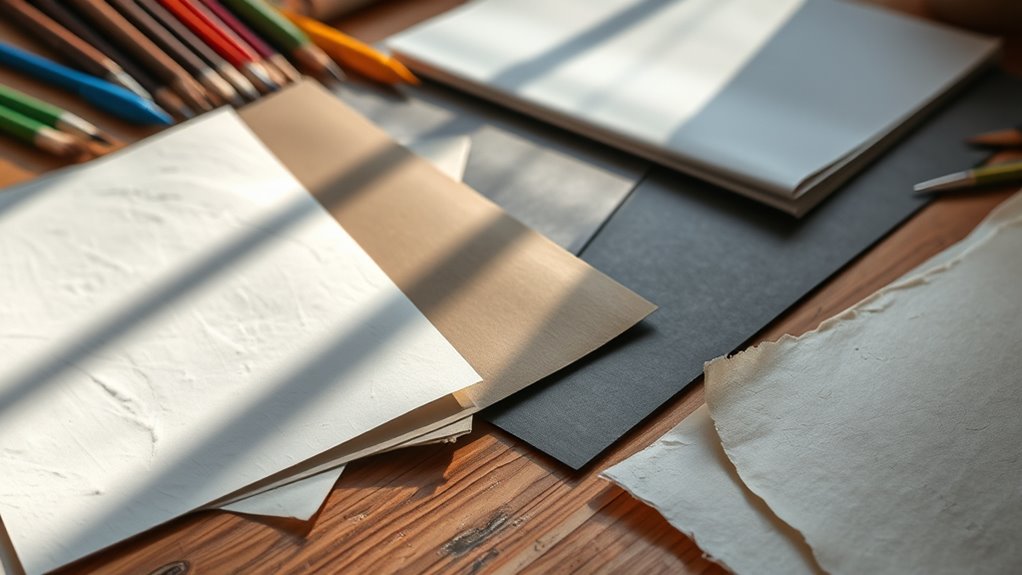
Have you ever struggled to find the perfect paper for your art project? It’s a common hurdle, and choosing the right paper can make or break the final result. The key factors you should consider are paper texture and paper weight—both play pivotal roles in how your artwork turns out. Paper texture influences how your medium interacts with the surface. For example, if you’re working with detailed pencil sketches, a smoother paper allows for fine lines and crisp details. On the other hand, if you’re creating textured paintings or mixed media pieces, a rougher or more textured paper provides the surface grip needed to add depth and dimension. The tactile quality of the paper texture can inspire your creativity and influence the overall feel of your work.
Choosing the right paper texture enhances your artwork’s detail, depth, and overall feel.
Paper weight is equally important because it determines the sturdiness and durability of your project. Lighter weight papers, such as 60–90 lb, are great for quick sketches, studies, or projects that don’t require heavy layering. These papers are easy to handle and less expensive, making them ideal for practice or casual work. However, if your project involves thick paint layers, wet media, or collage elements, you’ll need a heavier paper, typically 140 lb or more. Heavier paper provides the support needed to prevent warping, buckling, or tearing when you apply moisture or multiple layers. It also gives your artwork a professional feel and longevity.
When selecting paper, think about the specific techniques you plan to use. For watercolor, a heavier, textured paper like cold-pressed watercolor paper offers the absorbency and surface roughness that helps pigments spread beautifully. For ink drawings, a smooth, lightweight paper might be preferable to capture fine lines without feathering. If you’re working with mixed media, look for a versatile paper that balances weight and texture, so it can handle different materials without compromising quality. Additionally, understanding paper composition can help you choose the best surface for your medium and technique.
Ultimately, understanding how paper texture and paper weight interact with your chosen medium helps you make informed decisions. Don’t just pick the cheapest or most convenient option; consider how the paper’s qualities enhance your artistic process. Experimenting with different textures and weights can also help you discover new techniques and effects you hadn’t imagined. Remember, the right paper doesn’t just support your work—it elevates it, allowing your creativity to flourish and your finished piece to truly shine.
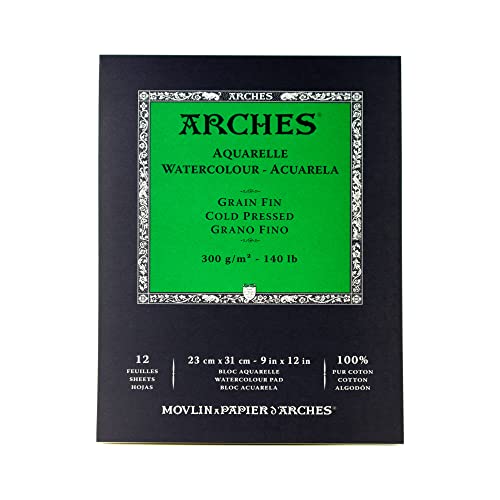
Arches Watercolor Paper Pad, 140 pound, Cold Press, 9"x12"
Prized Paper – The long fibers in Arches natural white 100% cotton watercolor paper provide timeless beauty and…
As an affiliate, we earn on qualifying purchases.
As an affiliate, we earn on qualifying purchases.
Frequently Asked Questions
How Do I Store Different Types of Art Paper Properly?
You should store different types of art paper in a cool, dry, and dark place, ideally using archival storage methods. Keep humidity levels consistent to prevent warping or mold growth, and avoid direct sunlight. Store papers flat in acid-free folders or boxes, and separate different types with tissue paper to avoid sticking or damage. Proper humidity control and acid-free storage guarantee your art papers stay pristine for years.
Can I Use Regular Printer Paper for Mixed Media Projects?
Did you know that over 60% of artists prefer specialized papers for mixed media? Regular printer paper isn’t ideal because it has a smooth texture and poor ink absorption, which can cause colors to bleed or smudge. While you can try it, expect less durability and vibrancy. For better results, opt for mixed media paper with a textured surface designed to handle different mediums and absorb ink effectively.
Which Paper Is Best for Printmaking Techniques?
For printmaking techniques, you should choose suitable printmaking substrates like etching papers, lithography papers, or relief printing papers. These printmaking paper types are designed to withstand pressure and ink without tearing or warping. You’ll want a sturdy, acid-free surface that holds detail well, such as handmade or high-quality machine-made papers. Using the right printmaking paper types guarantees your artwork prints clearly and lasts over time.
How Does Paper Weight Affect the Aging of Artwork?
Think of paper weight as the backbone of your artwork’s longevity. Heavier paper with high archival quality and low acid content acts like a shield, resisting the march of time. Lighter paper wears down faster, like a candle burning away. Choosing sturdy, acid-free paper guarantees your masterpiece ages gracefully, preserving vibrant colors and details. Your artwork’s future depends on this foundation, so pick weight wisely to keep your vision alive for decades.
Are There Eco-Friendly Options for High-Quality Art Papers?
Yes, there are eco-friendly options for high-quality art papers. You can choose papers made from sustainable fibers like bamboo or hemp, which grow quickly and require fewer resources. Look for papers with recycled content, ensuring they’re produced responsibly. These options maintain durability and texture, giving you high-quality results while reducing environmental impact. Always check for certifications like FSC or SFI to confirm your paper’s eco-friendly credentials.
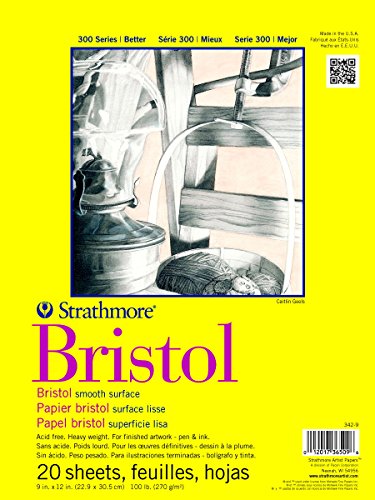
Strathmore 300 Series Bristol Paper Pad, Smooth, Tape Bound, 9×12 inches, 20 Sheets (100lb/270g) – Artist Paper for Adults and Students – Markers, Pen and Ink
Heavy Bristol weight paper for final artwork
As an affiliate, we earn on qualifying purchases.
As an affiliate, we earn on qualifying purchases.
Conclusion
Picking the right paper is like finding the perfect canvas for your masterpiece—it sets the stage for your creativity to shine. When you choose wisely, your art can breathe and flourish, turning your vision into reality. Remember, every stroke and detail depends on the paper you select. So, trust your instincts, experiment, and let your imagination guide you. The right paper is your partner in turning ideas into breathtaking art—don’t settle for anything less.

CANSON XL Textured Medium Grain 300gsm A4 Mixed Media White Paper Pad, 30 Sheets, for Professional Artists & Students
White paper that enhances the brightness of the colours
As an affiliate, we earn on qualifying purchases.
As an affiliate, we earn on qualifying purchases.
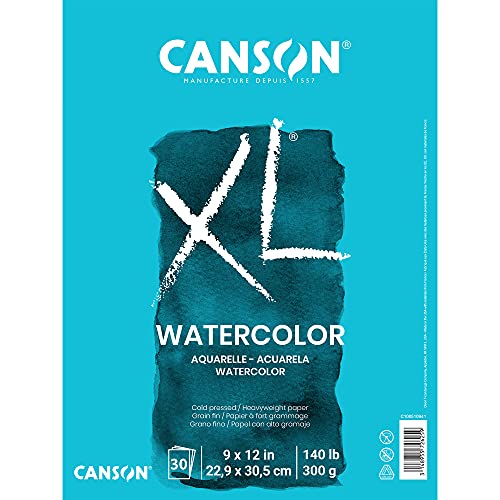
Canson XL Series Watercolor Pad, Heavyweight White Paper, Foldover Binding, 30 Sheets, 9×12 inch
30-sheet, tape-bound, 9" x 12" Canson XL Series Watercolor Pad. Pack of 1.
As an affiliate, we earn on qualifying purchases.
As an affiliate, we earn on qualifying purchases.