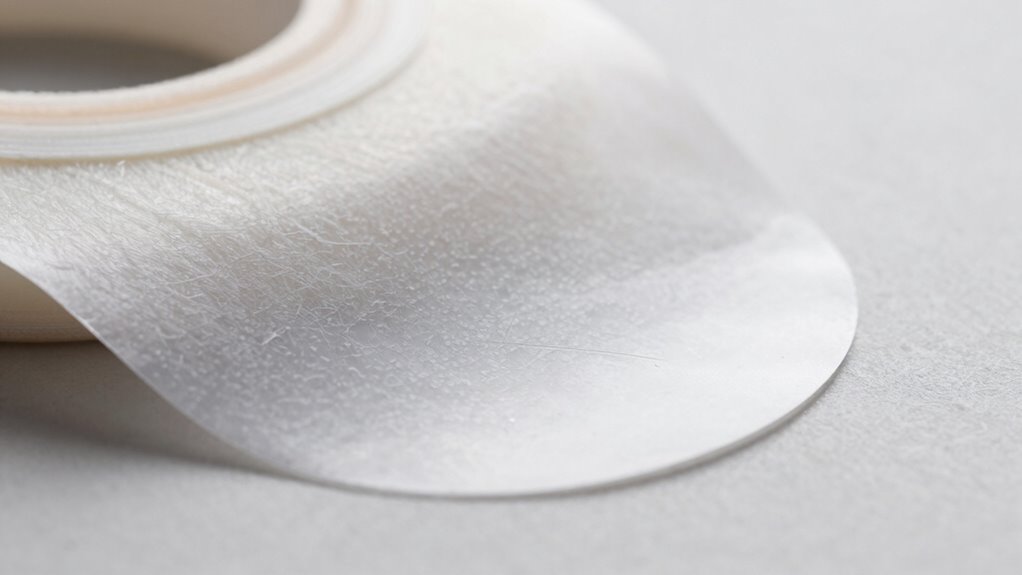

Release liners protect your adhesive film until you’re ready to use it by preventing premature sticking and damage. They keep the adhesive intact, ensuring it stays effective and performs as expected. The type and quality of liner can influence how easily you can apply the film and overall performance. Eco-friendly options are emerging to minimize environmental impact without sacrificing quality. To discover how innovations are improving both performance and sustainability, keep exploring the details.
Key Takeaways
- Release liners protect adhesives from contamination and premature sticking, ensuring optimal performance during storage and application.
- The quality of the liner’s silicone coating influences how easily the adhesive can be peeled without residue or damage.
- Properly designed liners prevent adhesive transfer or loss, maintaining consistent adhesive strength and effectiveness.
- Eco-friendly liners with advanced coatings can enhance product sustainability without compromising adhesive performance.
- Inadequate or low-quality liners may lead to uneven application, reduced adhesion, or difficulty in handling, affecting overall product quality.
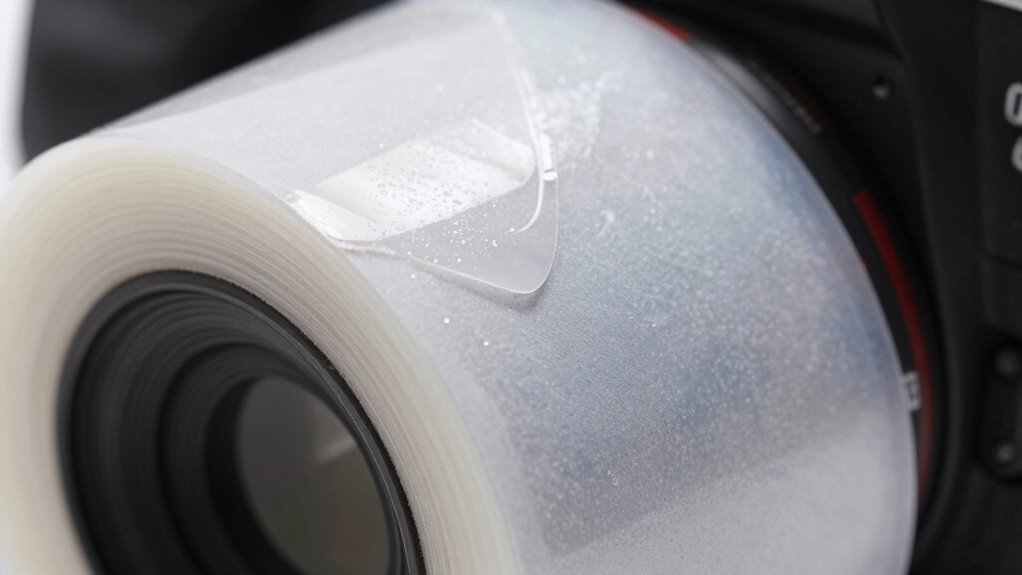
Have you ever wondered how adhesive products stay in place until you’re ready to use them? The answer often lies in the release liner, an essential component that protects the adhesive until the moment of application. These liners are designed to prevent premature sticking, guaranteeing the adhesive remains intact and effective. But their influence extends beyond just convenience; they markedly impact the performance of the adhesive film itself.
Release liners safeguard adhesives, ensuring optimal performance and ease of use while influencing overall product effectiveness.
When you consider the environment, the environmental impact of release liners becomes an important factor. Many liners are made from materials like silicone-coated paper or plastic films, which can be difficult to recycle and may contribute to landfill waste. Manufacturers are now exploring eco-friendly alternatives, such as biodegradable liners or those made from recycled materials, to reduce ecological footprints. These choices not only help in minimizing waste but also influence the manufacturing processes involved. For instance, switching to biodegradable liners may require adjustments in production techniques, but it can lead to more sustainable practices overall. The manufacturing processes for release liners are evolving to meet increasing environmental standards, integrating cleaner, more efficient methods that reduce emissions and waste. Material selection plays a crucial role in determining how environmentally friendly a release liner can be. Additionally, advancements in manufacturing techniques are contributing to more sustainable production practices, further reducing the environmental impact. Moreover, research into alternative coating technologies is helping create liners that are both effective and eco-friendly, ensuring performance isn’t compromised. In particular, the adoption of biodegradable materials is gaining traction as a promising solution for sustainable release liner production. Furthermore, ongoing innovation aims to improve the recyclability of liners, making them easier to reuse and dispose of responsibly.
As an affiliate, we earn on qualifying purchases.
Frequently Asked Questions
How Do Environmental Conditions Impact Liner Performance Over Time?
Environmental conditions can considerably impact liner performance over time. Environmental degradation, caused by factors like UV exposure or extreme temperatures, weakens the liner’s integrity. Moisture effects, such as humidity or water exposure, can lead to swelling, mold growth, or adhesive failure. You might notice reduced ease of removal or compromised adhesion, especially if the liner isn’t designed for harsh environments. Proper storage and selecting liners suited for specific conditions can help maintain performance.
Are There Eco-Friendly Release Liner Options Available?
Yes, eco-friendly release liner options are available. You can explore biodegradable alternatives and sustainable materials that reduce environmental impact. These options are designed to break down more quickly and safely in nature, helping you stay green without sacrificing performance. It’s a win-win situation, as more companies are embracing these greener choices to meet eco-conscious demands while maintaining product quality. Switching to sustainable materials keeps your business in step with environmental responsibility.
How Do Liner Thickness Variations Influence Adhesive Bond Strength?
Thicker liner materials generally enhance adhesive bond strength because they provide better insulation and support during application. Variations in liner thickness can lead to inconsistent adhesion, as uneven thickness affects how the adhesive contacts surfaces. Maintaining thickness consistency guarantees uniform pressure distribution, leading to a reliable bond. So, selecting the right liner material and ensuring consistent thickness are essential for maximum adhesive performance.
Can Release Liners Be Reused or Recycled Effectively?
You can often recycle release liners, but their durability varies, which affects reuse potential. Recycling challenges arise because liners are typically coated and contaminated with adhesives, making processing difficult. Some facilities accept liners, but others don’t due to contamination and material composition. To improve sustainability, look for liners designed with recyclable materials or consider reuse programs where possible. Proper disposal and recycling practices help reduce waste and environmental impact.
What Are the Cost Differences Between Various Liner Materials?
You’ll find that liner cost varies considerably depending on material pricing. Polyester liners tend to be more expensive due to their durability, while silicone-coated paper liners are more affordable but may offer less reusability. Your choice impacts overall costs, so consider the application and budget. Generally, plastic or film liners have higher material pricing but can provide better performance, potentially reducing long-term expenses.
As an affiliate, we earn on qualifying purchases.
Conclusion
Think of release liners as the silent guardians of your adhesive film, shielding it like a cloak from premature contact. When chosen wisely, they enable the true potential of your adhesive, allowing it to perform flawlessly, like a ship setting sail smoothly on a calm sea. Remember, behind every successful bond lies a liner that’s both a protector and a facilitator. Trust in this symbolism, and your adhesive projects will always find their perfect, unwavering anchor.
As an affiliate, we earn on qualifying purchases.
As an affiliate, we earn on qualifying purchases.