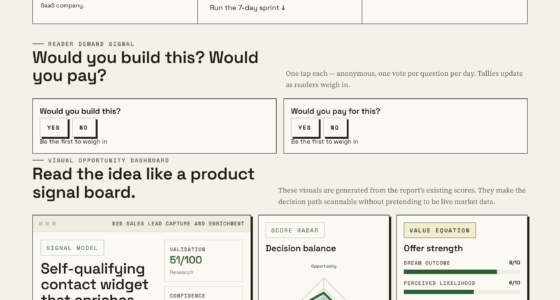
📊 Full opportunity report: Make Small-Order Sourcing Part Of Your Independent Retail Strategy on IdeaNavigator AI — validation score, market gap, and execution plan.

Get business pricing on monitors, keyboards and dev gear
- Business-only prices and quantity discounts
- Tax-exempt purchasing
- Multiple users, one account, clear invoices
TL;DR
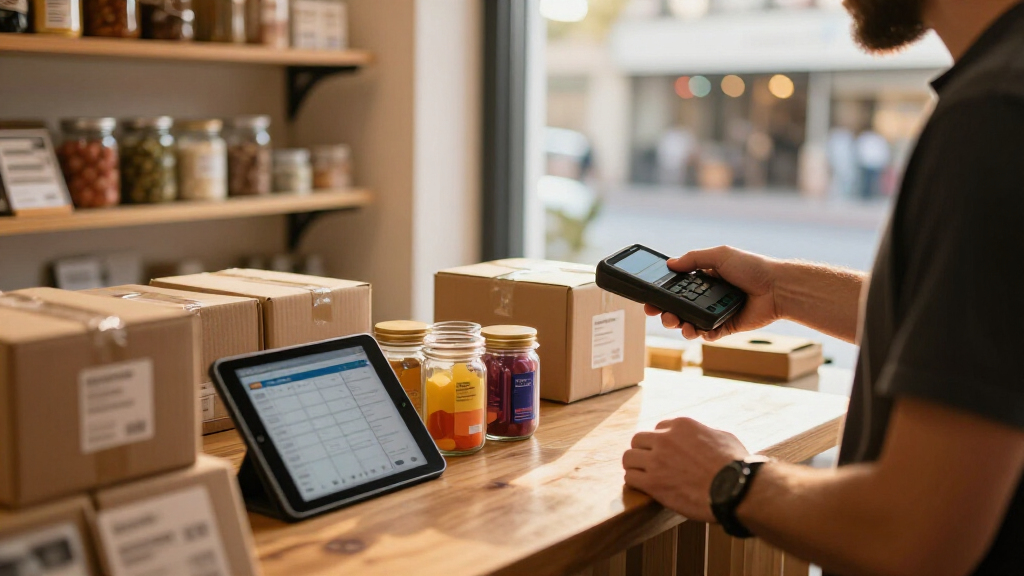
IdeaNavigator AI has outlined a proposed marketplace lane where independent retailers could test products in five-unit assortments and brands could consolidate fulfillment. The proposal recommends manually brokering orders between 20 brands and 50 shops, then measuring conversion to standard reorders within a quarter; no pilot results or launch are reported.
The proposed workflow would let brands set micro-minimum order quantities and consolidate fulfillment, while shops place five-unit trial orders and track how products sell. If a test performs well, the retailer could move to a standard wholesale relationship with the brand. No platform launch, participating brands, or retailer commitments are identified.
The suggested first test is to broker orders manually between 20 brands and 50 independent shops. The proposal says conversion from trial purchases to standard reorders should be measured within a quarter. It does not provide a definition of a successful conversion rate or report that this test has begun.
The proposed business model combines a take rate on orders with subscription analytics for brands monitoring trial performance. Those are suggested revenue streams; no pricing, operating costs, or evidence of retailer or brand demand is provided.
Lowering the Cost of Product Tests
For a shop unable to meet a distributor’s case or opening-order minimum, a smaller trial could reduce the amount of cash tied up in unproven inventory. If consolidated fulfillment can make small shipments workable, the model could give independent retailers more room to test unfamiliar products between trade-show buying cycles.
For brands, trial orders could offer a way to reach shops before seeking larger wholesale commitments, while sales tracking could help assess whether those products merit wider distribution. These are potential benefits described by the proposal; the economics and buyer response remain untested.
Products Worth Considering

Amazon Kindle Paperwhite Signature Edition (12th Generation, 2024), 32 GB, Metallic Raspberry

Sony WH-1000XM6 Wireless Noise-Canceling Headphones, Black

LG UltraGear 32GX850A-B 32-inch 4K UHD OLED Gaming Monitor
As an affiliate, we earn on qualifying purchases.
The Minimum-Order Bottleneck
The proposal describes a mismatch between independent shops’ desire to test products in small quantities and distributor requirements for case minimums or opening orders sized for larger retailers. It says the result can be cautious assortments and product discovery concentrated around annual trade shows.
It points to Faire as having demonstrated a wholesale-marketplace model, then identifies very small trial orders with consolidated shipping as a proposed gap. The material provides no comparative marketplace data or evidence that existing services cannot handle such orders.
Demand and Shipping Costs Unproven
It is not yet clear whether enough brands would offer micro-minimums, whether shops would place trial orders, or whether consolidated shipping could make five-unit assortments economically viable. The proposal also supplies no conversion target, fee levels, or results from retailers’ sell-through tracking.
No launch schedule, named operator, confirmed partners, or pilot status is reported. The suggested quarter-long measurement period is a proposed validation window, not a stated deadline for a live program.
A Manual Pilot Would Test Reorders
The next proposed step is to broker trial orders manually among 20 brands and 50 shops, then track how many trial purchases convert to standard reorders within a quarter. Any reported results would help show whether small orders can lead to repeat wholesale business, though the plan sets no public date for the test.
Key Questions
Has the small-order marketplace launched?
No launch is reported. The proposal describes a marketplace lane and recommends testing it manually first.
Who is the proposed service for?
It is aimed at independent retailers that want to test products but cannot meet distributors’ minimum order requirements.
What would shops order?
The proposed pilot would let retailers test five-unit assortments, with brands setting small minimums and consolidating fulfillment.
How would the proposal be tested?
It recommends manually brokering trial orders between 20 brands and 50 shops and measuring conversion to standard reorders within a quarter.
What remains unknown?
Retailer and brand demand, shipping economics, pricing, pilot timing, and reorder conversion results have not been reported.
Source: IdeaNavigator AI