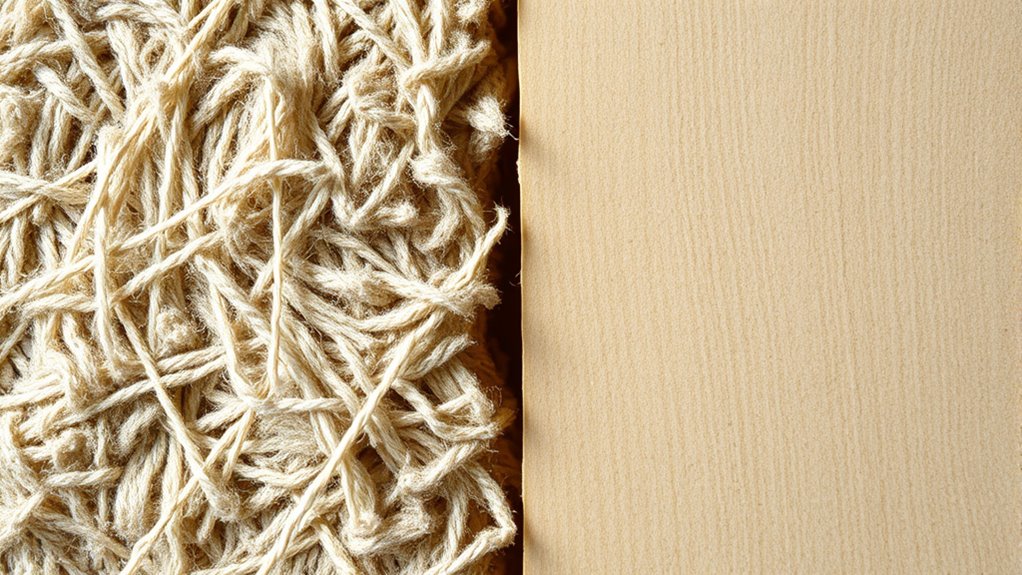

When comparing rag paper and wood pulp paper, you’ll find that rag paper is made from long, durable cotton or linen fibers, making it highly archival and resistant to aging. Wood pulp paper is produced from processed wood fibers, which are shorter and tend to deteriorate faster, especially if not acid-free. Rag paper is more eco-friendly and lasts longer, while wood pulp paper is cheaper and more accessible. Continue exploring to discover which option best suits your preservation needs.
Key Takeaways
- Rag paper is made from long, durable cotton or linen fibers, while wood pulp paper uses shorter, less resilient wood fibers.
- Rag paper is highly archival, acid-free, and resistant to aging, unlike wood pulp paper which deteriorates faster without proper treatment.
- Producing rag paper involves recycled textiles and fewer chemicals, making it more sustainable than chemically intensive wood pulp paper.
- Rag paper generally costs more and is less widely available than cheaper, mass-produced wood pulp paper.
- For long-term preservation and environmental responsibility, rag paper offers superior durability and eco-friendliness over wood pulp paper.
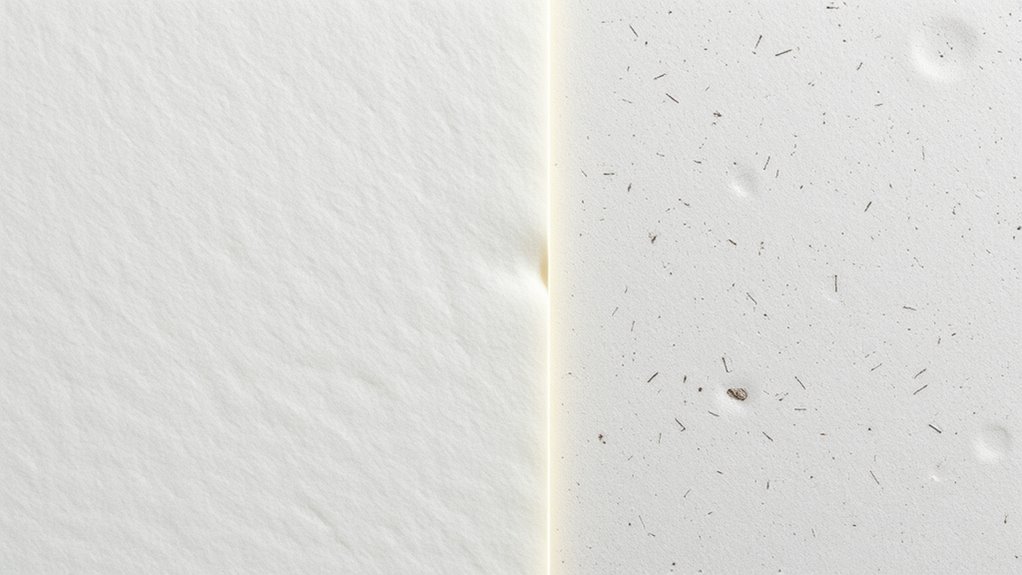
When choosing between rag paper and wood pulp paper, it’s important to understand their differences and how each impacts quality and durability. Rag paper is made from cotton or linen fibers, which are naturally long and strong, resulting in a product that’s both durable and high in archival quality. Wood pulp paper, on the other hand, is produced from processed wood fibers, which are shorter and more prone to deterioration over time. This fundamental difference influences not just the lifespan of your paper but also its environmental impact. Rag paper tends to be more eco-friendly in the long run because it often uses recycled materials and fewer chemicals during manufacturing. Conversely, wood pulp paper typically involves bleaching and chemical treatments that can harm ecosystems and increase pollution, raising concerns about its environmental footprint.
Archival quality is a critical factor when selecting paper for preservation. Rag paper’s high purity and natural fibers make it resistant to aging, yellowing, and deterioration, ensuring that documents, artwork, or important correspondence remain intact over decades or even centuries. Its acid-free nature is a significant advantage for archival purposes because acids in paper cause it to become brittle and discolored over time. Wood pulp paper, especially if not specifically acid-free, is more susceptible to these issues, making it less suitable for long-term preservation. While modern manufacturing has improved the quality of acid-free wood pulp paper, it still generally doesn’t match the longevity and stability provided by rag paper. Additionally, the presence of chemical treatments can accelerate degradation and impact archival quality.
In terms of environmental impact, rag paper often scores better because it can be produced using recycled textiles and with fewer chemicals, reducing its carbon footprint. Its production process tends to be more sustainable, especially when sourced from old textiles or waste materials. Wood pulp paper, though cheaper and more widely available, requires intensive forestry practices and chemical processing, which can lead to deforestation, water pollution, and energy consumption. If you’re concerned about sustainability, you’ll find rag paper a more environmentally responsible choice, especially for projects requiring archival durability.
Ultimately, your decision hinges on balancing longevity, quality, and environmental considerations. Rag paper offers superior archival quality and a lower environmental impact, making it ideal for documents you want to preserve for generations. Wood pulp paper, while more affordable and readily available, may not stand the test of time and can have a significant environmental footprint. Understanding these distinctions helps you make an informed choice aligned with your values and the importance of the materials’ longevity.
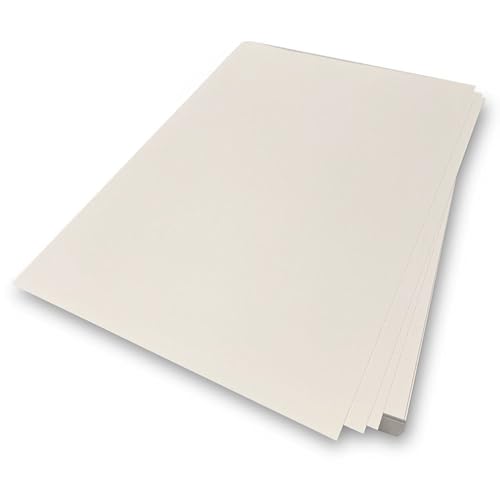
Lineco, Herbarium Mounting Paper, Archival Quality, PH 8.5, Acid-Free, Cotton Rag Buffered Material for Institutions and Museums-11.5×16.5 inch, 0.012'' Thickness- Pack of 25
Premium Archival Material: Made from 100 percentage Rag Cotton and made in USA, ensuring long-lasting quality and preservation…
As an affiliate, we earn on qualifying purchases.
As an affiliate, we earn on qualifying purchases.
Frequently Asked Questions
How Does Rag Paper Impact Environmental Sustainability Compared to Wood Pulp Paper?
Rag paper has a lower environmental impact than wood pulp paper because it uses recycled textiles, reducing deforestation and waste. By choosing rag paper, you support sustainable sourcing practices, which help conserve natural resources and minimize pollution. Its durability means less frequent replacement, further benefiting the environment. Overall, rag paper promotes sustainability by relying on recycled materials and reducing the strain on ecosystems, making it a more eco-friendly choice.
Are There Specific Industries That Prefer Rag Paper Over Wood Pulp Paper?
Like a rare gem, rag paper is prized by industries valuing quality and tradition. You’ll find luxury stationery and archival document makers prefer rag paper because of its durability and timeless appeal. These industries see rag paper as a vessel for preserving history and elegance, making it the ideal choice over wood pulp paper. Its longevity guarantees your cherished documents and exquisite stationery withstand the test of time.
What Are the Cost Differences Between Rag Paper and Wood Pulp Paper?
You’ll find that rag paper generally costs more than wood pulp paper due to higher production costs and the quality of raw materials. The pricing comparison shows rag paper’s premium price reflects its durability and archival qualities, making it suitable for special projects. In contrast, wood pulp paper is cheaper because it’s produced more efficiently, but it may not last as long. Your choice depends on your budget and the paper’s intended use.
How Does Paper Longevity Differ Between Rag and Wood Pulp Types?
Imagine you’re a knight guarding a precious scroll. With that in mind, you’ll find rag paper offers superior archival quality and material durability, making it last much longer. Wood pulp paper, though more common, tends to yellow and deteriorate over time. So, if longevity matters, rag paper is your best bet for preserving documents, artworks, or important records, ensuring they withstand the test of time far better than wood pulp alternatives.
Can Rag Paper Be Recycled as Effectively as Wood Pulp Paper?
Yes, rag paper can be recycled as effectively as wood pulp paper. During the recycling process, the fiber quality of rag paper remains high because it’s made from long, durable fibers, which can be reused multiple times without significant degradation. You’ll find that recycling rag paper preserves its integrity better, making it a more sustainable option, especially for high-quality or archival papers.

Southworth 404C 25% Cotton Business Paper White 24 lbs. Wove 8-1/2 x 11 500/Box FSC
Sold as 500/Box.
As an affiliate, we earn on qualifying purchases.
As an affiliate, we earn on qualifying purchases.
Conclusion
So, now that you know the differences, you might wonder which paper truly stands the test of time. Rag paper offers durability and a classic feel, perfect for special documents or artwork, while wood pulp paper is more affordable and widely used. But isn’t it worth investing in quality that lasts? Choosing between them depends on your priorities—are you looking for longevity or cost-effectiveness? Ultimately, what kind of legacy do you want your paper to leave behind?

Epson Velvet Fine Art Paper (8.5×11 Inches, 20 Sheets) (S041636) , White
Museum quality, acid-free base to preserve fine art and photos.
As an affiliate, we earn on qualifying purchases.
As an affiliate, we earn on qualifying purchases.
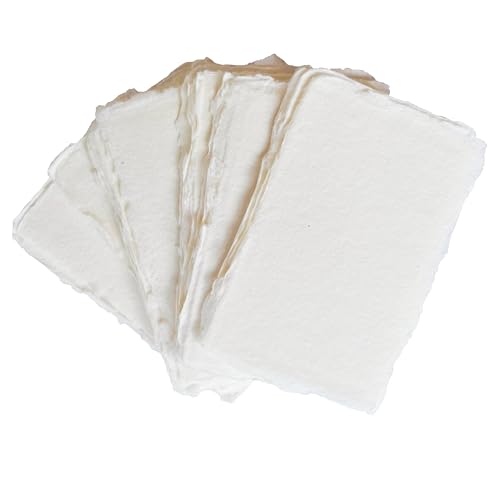
Handmade Cotton Paper with Deckle Edge Recycled Cotton Rag Mixed Media Card Stock for Placecard/Escort Cards, Place Cards, Vow Cards, Business Card (150gsm, 2×3 inch "A8", 50 Pack)
GSM (weight of the paper): 150; The higher the GSM, the heavier and thicker the paper.
As an affiliate, we earn on qualifying purchases.
As an affiliate, we earn on qualifying purchases.