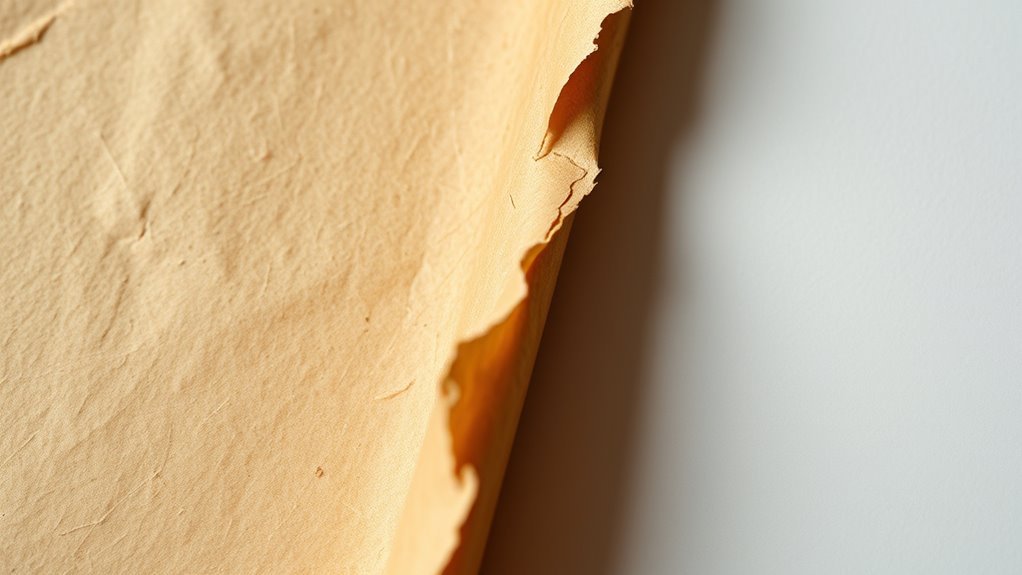

Papyrus, an ancient material made from Egyptian plant fibers, has a fibrous texture and requires specific ink and handling, reflecting its historical significance. Modern paper, made from processed cellulose fibers, is smoother, more versatile, and easier to use with various writing instruments. These materials differ in appearance, durability, and preservation methods, highlighting technological advances over time. If you keep exploring, you’ll uncover even more interesting facts about their unique qualities and cultural importance.

Get business pricing on monitors, keyboards and dev gear
- Business-only prices and quantity discounts
- Tax-exempt purchasing
- Multiple users, one account, clear invoices
Key Takeaways
- Papyrus is an ancient writing material made from plant fibers, whereas paper is a modern product derived from processed cellulose.
- The appearance and texture differ: papyrus has a fibrous, uneven surface, while paper is smoother and more uniform.
- Writing techniques vary: papyrus requires reed pens and specific inks; paper accommodates modern pens and markers.
- Preservation methods have evolved: papyrus is fragile and stored carefully, while paper benefits from acid-free environments for longevity.
- Historically, papyrus was used in ancient Egypt, while paper became widespread globally with technological advancements.
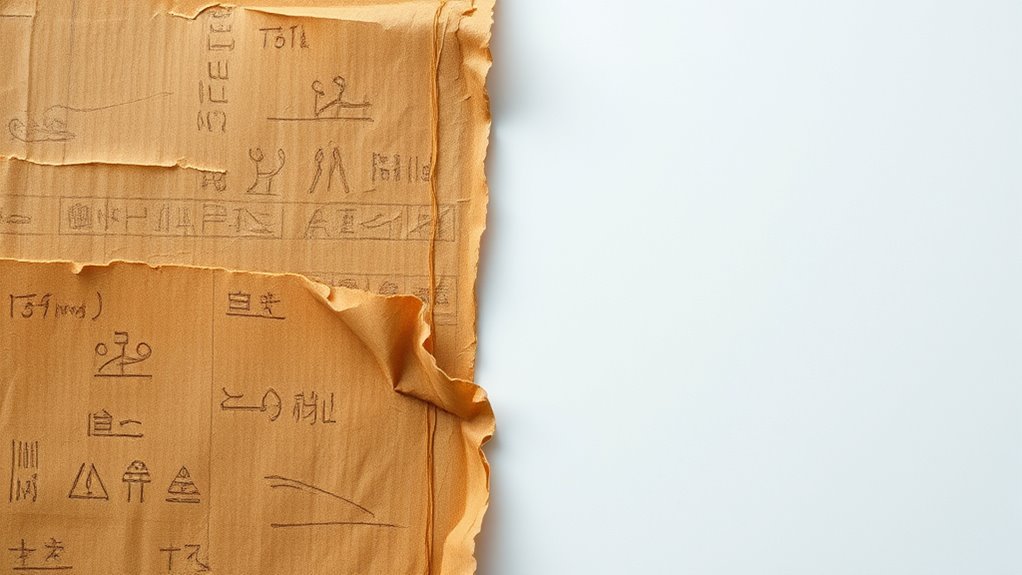
When comparing papyrus and paper, it’s important to understand that although both serve as writing surfaces, they come from very different origins and have distinct characteristics. Papyrus, an ancient material, was made from the pith of the papyrus plant, primarily in Egypt, over 5,000 years ago. Its natural fibrous texture gives it a unique look and feel, unlike modern paper. Paper, on the other hand, is a more recent invention, developed in China around the 2nd century AD, and is manufactured from cellulose fibers derived from wood, hemp, or cotton. These fundamental differences influence not only their appearance but also how you use them.
When it comes to writing techniques, papyrus requires different handling compared to paper. Because of its fibrous nature, writing on papyrus often involved using reed pens and ink that could seep into its porous surface. The texture demands a steady hand and sometimes a specific ink formulation to prevent smudging or bleeding. Modern paper, with its smoother surface, accommodates a broad range of writing instruments, from ballpoint pens to fountain pens and markers, making it more versatile. You can easily erase or correct mistakes on paper, thanks to its less absorbent surface, whereas papyrus, being more delicate, necessitated careful planning in your writing technique to avoid damaging the material.
Preservation methods also differ markedly between the two. Papyrus, being organic and prone to insect damage, mold, and deterioration over time, required specific preservation techniques. Ancient scribes and conservators often stored papyrus scrolls in cool, dry places, sometimes wrapping them in linen or wax to reduce exposure to humidity and pests. They also applied treatments to strengthen the fibers, which helped prolong their lifespan. Modern paper, while more durable, still needs proper storage to prevent fading, tearing, or acid deterioration. Archival-quality paper is treated to resist acid decay, and proper storage involves keeping documents in acid-free folders or controlled environments to ensure longevity. Additionally, advances in archival preservation have significantly improved the longevity of paper documents.
Understanding these differences helps you appreciate the craftsmanship behind ancient writings and the technological advances of modern paper. Both materials have their unique qualities shaped by their origins, influencing how they are used, preserved, and valued. Whether handling delicate papyrus scrolls or creating notes on smooth sheets of modern paper, recognizing these distinctions enhances your connection to the history and science of written communication.
As an affiliate, we earn on qualifying purchases.
Frequently Asked Questions
How Did Papyrus Influence Ancient Record-Keeping Practices?
Papyrus revolutionized ancient record-keeping by providing a durable and portable medium for documentation. You could easily store and transport essential records, making record preservation more efficient. Its availability encouraged the development of complex administrative systems and preserved history, literature, and legal documents. As a result, papyrus played a vital role in shaping how ancient civilizations managed and maintained their documentation, laying the groundwork for future record-keeping practices.
What Are the Environmental Impacts of Producing Papyrus Versus Paper?
You might be surprised to learn that manufacturing papyrus generates about 80% fewer greenhouse gases than paper production. This means papyrus has fewer sustainability concerns, but both processes involve resource depletion—papyrus relies on reed harvesting, which can harm wetlands if overdone. Paper production, on the other hand, often leads to deforestation. So, choosing papyrus could lessen your environmental footprint, but sustainable harvesting is essential for both materials.
Can Papyrus Be Preserved for Thousands of Years Like Ancient Manuscripts?
Papyrus can sometimes be preserved for thousands of years, but its durability depends heavily on environmental conditions. You face preservation challenges like humidity, temperature fluctuations, and exposure to light, which can cause deterioration over time. While some ancient papyrus texts remain intact, careful conservation methods are essential. Proper storage in controlled environments helps maintain its integrity, but overall, papyrus’s durability isn’t as reliable as other ancient materials like parchment.
How Do Modern Technologies Affect the Use of Traditional Materials?
Modern technologies greatly impact traditional materials by enhancing preservation and accessibility. You can now store your documents in digital archives, protecting them from physical decay while making them easily available worldwide. Modern printing allows for high-quality reproductions of traditional materials, ensuring their preservation. These innovations help you conserve valuable historical artifacts and share them effortlessly, blending ancient methods with contemporary technology for better preservation and dissemination.
Are There Any Legal Protections for Ancient Papyrus Artifacts?
You might not realize it, but legal protections are in place to safeguard ancient papyrus artifacts. These laws focus on artifact preservation, ensuring that these priceless relics are protected from theft, damage, or illicit trade. Such protections are critical, as they help preserve historical knowledge. If you encounter or handle these artifacts, remember that strict regulations exist to maintain their integrity and historical significance for future generations.
As an affiliate, we earn on qualifying purchases.
Conclusion
So, while papyrus laid the foundation for written communication centuries ago, paper revolutionized how we share ideas today. Notably, some experts believe papyrus’s durability may have contributed to its longevity in history, but modern paper’s versatility truly changed the game. Ultimately, both materials reflect human ingenuity—papyrus as an ancient marvel and paper as a modern necessity. Recognizing their connection helps us appreciate how our ancestors paved the way for today’s innovations.
reed pens for writing on papyrus
As an affiliate, we earn on qualifying purchases.
As an affiliate, we earn on qualifying purchases.
As an affiliate, we earn on qualifying purchases.
Columbus Day / Indigenous Peoples' Day Picks
long weekend sales
As an affiliate, we earn on qualifying purchases.