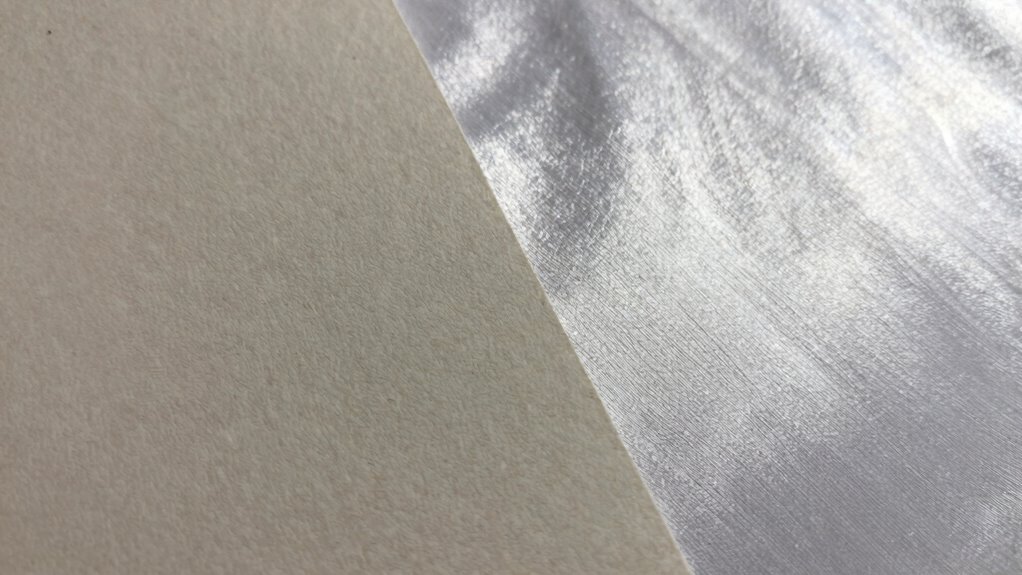

If you want a non-reflective, professional look with soft, subtle colors, matte paper is a great choice. For vibrant, eye-catching images with more punch and sharp contrasts, satin paper works better. Matte surfaces resist fingerprints and smudges, making handling easier, but can be more vulnerable to water damage. Satin offers a more polished, semi-gloss finish that enhances color vibrancy. To discover which surface truly suits your project’s story, keep exploring the details.
Key Takeaways
- Matte paper offers a non-reflective surface ideal for subtle, accurate color storytelling and professional presentation.
- Satin paper enhances vibrancy and contrast, making images more eye-catching and dynamic.
- Matte surfaces resist fingerprints and smudges better, suitable for frequent handling and long-term preservation.
- Satin finishes provide brighter, punchier visuals but may attract more fingerprints and require careful protection.
- The choice depends on whether the story benefits from understated elegance or bold, vibrant impact.
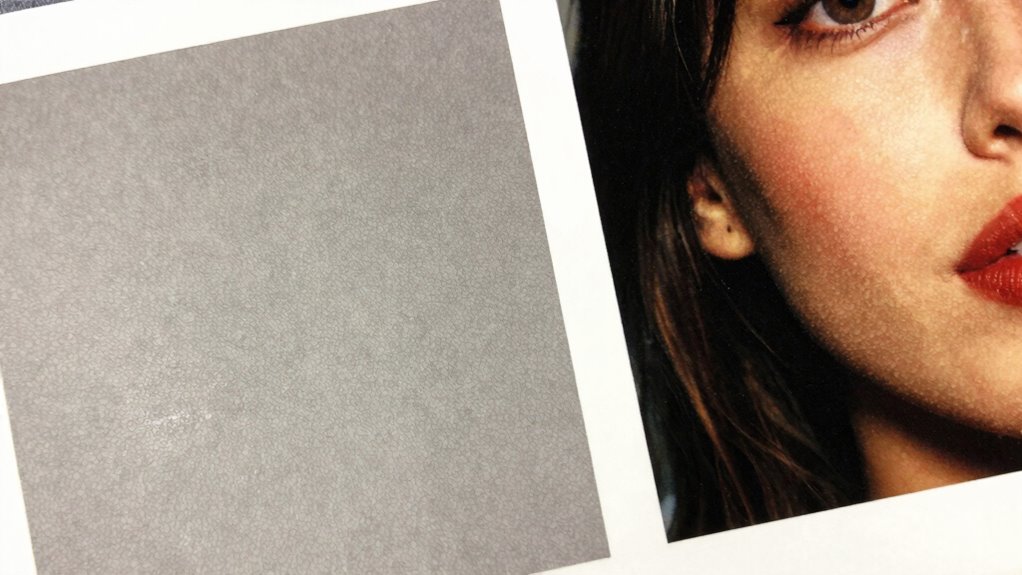
When choosing between matte and satin paper, understanding their differences can help you make the best decision for your printing needs. Both surfaces offer distinct visual and tactile qualities, but knowing how they impact color accuracy and durability can guide you toward the right choice. Matte paper tends to diffuse light and minimizes glare, which can be a real advantage if you want your prints to look consistent from various angles. This surface generally offers excellent color accuracy for soft, subtle hues, making it ideal for fine art, photography, or detailed illustrations. Additionally, matte paper can provide a more professional appearance, especially in formal or gallery settings. Satin paper strikes a middle ground; it has a smooth, semi-gloss finish that enhances color vibrancy without the high shine of gloss paper. Consequently, satin often produces images with punchy, lively colors, giving your prints a dynamic appearance. If your goal is to showcase bright, bold visuals with sharp contrasts, satin might be more suitable. Additionally, the choice of paper can influence the perceived visual appeal and overall impression of your work.
Durability is another key factor when selecting paper. Matte paper usually resists fingerprints and smudges better than satin because its velvety surface doesn’t easily attract oils or dirt. It’s also less prone to surface scratches, which makes it a good choice for items that will be handled frequently. However, matte paper can be more susceptible to water damage and may yellow over time if not properly stored. Satin paper, with its smoother surface, can sometimes be more vulnerable to fingerprints and smudges, especially if handled without care. On the upside, satin papers often have a slightly higher resistance to fading when exposed to light, depending on the ink and coating used. Overall, if you’re looking for a balance of visual appeal and longevity, satin can perform well, especially when protected with proper framing or storage.
In the end, your choice hinges on what matters most for your project. If you prioritize soft, accurate color reproduction with a non-reflective surface, matte paper offers a compelling option. Conversely, if you want vibrant, eye-catching images with a slightly upscale feel, satin paper can tell your story with more punch. Both surfaces have their strengths, but understanding how they handle color accuracy and durability helps you align your choice with your specific needs. Whether you’re creating art, photographs, or professional prints, selecting the right surface ensures your work looks its best and stands the test of time.
matte photo paper for professional printing
As an affiliate, we earn on qualifying purchases.
As an affiliate, we earn on qualifying purchases.
Frequently Asked Questions
Which Paper Type Is More Environmentally Friendly?
You’ll find matte paper is generally more eco-friendly because it often uses eco-friendly materials and has fewer coatings, making it easier to recycle. Satin paper may contain coatings that complicate recycling options, potentially impacting its environmental friendliness. When choosing, look for options labeled with eco certifications, so you know it’s sustainably produced and easier to recycle, helping you reduce your environmental footprint.
How Do Matte and Satin Papers Perform Outdoors?
Like a lighthouse guiding ships, matte and satin papers handle outdoor conditions differently. Matte paper resists glare and maintains its subtle texture contrast, though it can be less vibrant over time. Satin paper offers better color vibrancy and a smooth finish, but it may be more prone to scratches and reflections outdoors. So, for durability, satin might shine brighter, but matte keeps a refined look in sunlight.
Can You Print on Matte or Satin Paper With Any Printer?
You can print on matte or satin paper with most printers, but you need to check printer compatibility first. Some printers handle thicker or specialty papers better, so make sure yours supports these types. Matte and satin papers absorb ink differently; matte typically absorbs more ink, reducing glare, while satin offers a smooth finish with less ink absorption, providing vibrant images. Always test your printer’s settings for the best results.
Which Surface Is Better for Framing and Display?
You’ll find satin paper better for framing and display, as it offers a sleek surface that highlights texture diversity and minimizes glare. Its smooth finish enhances color accuracy, making your images pop with vibrancy and clarity. Matte paper, with its subtle texture, can also look elegant, but satin’s glossy touch tends to draw viewers in, creating a striking presentation. Choose satin for a polished, eye-catching display that truly tells your story.
How Do Cleaning and Maintenance Differ for Each Paper Type?
You’ll find that cleaning and maintaining matte and satin papers differ mainly because of their surface textures and ink absorption qualities. Matte paper’s rougher surface makes it more resistant to fingerprints and smudges, so you can gently wipe it with a dry cloth. Satin paper, with its smoother finish and higher ink absorption, is more prone to showing fingerprints, so use a soft, slightly damp cloth carefully. Avoid harsh cleaners for both types.
satin finish photo paper for vibrant images
As an affiliate, we earn on qualifying purchases.
As an affiliate, we earn on qualifying purchases.
Conclusion
So, which surface truly tells your story? Matte offers a muted, sophisticated feel perfect for art and photos that benefit from a soft touch. Satin, with its subtle sheen, adds vibrancy and depth, ideal for images that need a little sparkle. Ultimately, your choice depends on your message and mood. Isn’t it worth asking yourself which finish will best showcase your work? After all, the right paper can make all the difference.
water-resistant matte art paper
As an affiliate, we earn on qualifying purchases.
As an affiliate, we earn on qualifying purchases.
semi-gloss satin photo paper
As an affiliate, we earn on qualifying purchases.
As an affiliate, we earn on qualifying purchases.