

📊 Full opportunity report: When Does Cheap Memory Come Back? The 2027–2029 Question on ThorstenMeyerAI.com — validation score, market gap, and execution plan.
TL;DR
Memory prices are expected to stabilize by late 2027, but a return to pre-crisis low costs is unlikely before 2028–2029. Industry capacity growth and demand trends influence this outlook.
Memory prices are unlikely to return to pre-crisis levels before 2028–2029, according to industry experts and major manufacturers. The ongoing supply shortages, driven by physical constraints and capacity expansion delays, mean that relief is both delayed and likely to be permanent at a higher baseline.
Leading industry analysts, including IDC and Counterpoint, agree that memory supply will begin to stabilize around late 2027. However, full normalization of prices and availability is expected to take until 2028 or 2029. Major memory producers such as Samsung, SK Hynix, and Micron warn that shortages could persist beyond 2027, with some capacity additions not expected until 2030.
The primary bottleneck is physical: building and ramping new fabs takes years, with most capacity additions occurring post-2027. For example, Micron’s Idaho fab is set to start DRAM production mid-2027, but its largest project, the Clay megafab in New York, is delayed until 2030. US-funded fabs under the CHIPS Act are not expected to impact supply before 2028 at the earliest.
Three scenarios are considered plausible: a gradual relief with prices stabilizing at 30–50% above pre-crisis levels, a prolonged shortage extending beyond 2029, or a potential market crash if demand weakens sharply while supply overshoots. The industry’s history of boom-bust cycles keeps the possibility of a sharp downturn alive, but current trends favor a slow, sustained adjustment.
When does cheap memory come back?
The question everyone’s really asking: do I just wait this out? The honest answer is a timeline, three scenarios, and news you may not want — the cheap memory you remember isn’t coming back. A less-expensive market probably is — later, and at a higher floor.
Capacity ramps ’27–’28; price climbs stop, then ease. Settles ~30–50% above pre-crisis — the new baseline, not a return to 2024.
AI keeps accelerating; OpenAI locked ~40% of DRAM through 2029; makers pause expansion to protect record margins; each HBM gen worsens the math.
AI demand moderates just as delayed ’27–’28 fabs all arrive → classic overshoot → prices crash. Not the bet — but never impossible in this industry.
The one relief valve that needs no fab is efficiency: if compression (Part 9) cuts how much memory each model needs, demand softens on the timescale of a software update, not a construction project. So the posture isn’t waiting — it’s the discipline this series has been about. Memory is now a scarce, valuable resource; treat it that way. Buy what you need, right-size, own what’s steady, rent what’s spiky, quantize either way. The people who do best won’t be the ones who guessed the bottom — they’ll be the ones who stopped needing so much. That’s the squeeze, end to end.
Implications of Delayed Memory Price Relief
This outlook indicates that consumers, data centers, and AI developers will face higher memory costs for years, with prices unlikely to revert to pre-2024 levels before 2028–2029. The persistent higher baseline will influence pricing strategies, supply chain planning, and investment decisions across the tech industry. Additionally, the physical constraints on fab construction and the disciplined behavior of manufacturers to avoid overbuilding suggest that relief will be incremental rather than sudden.
While demand-side improvements, such as efficiency gains in AI models, could soften some pressure, the fundamental supply limitations and capacity expansion timelines are the key drivers of this prolonged high-cost environment.

CORSAIR Vengeance LPX DDR4 RAM 32GB (2x16GB) Up to 3200MHz CL16-20-20-38 1.35V Intel XMP AMD EXPO Computer Memory – Black (CMK32GX4M2E3200C16)
- Maximum Speed Note: Requires overclocking and BIOS adjustments
- High Performance Chips: Hand-sorted for overclocking potential
- Wide Compatibility: Optimized for Intel and AMD DDR4 motherboards
As an affiliate, we earn on qualifying purchases.
As an affiliate, we earn on qualifying purchases.
Recent Developments in Memory Industry Capacity
The current memory shortage stems from physical and manufacturing constraints, with capacity additions lagging behind demand surges caused by AI and data center growth. Major fabs, including Micron’s Idaho plant and SK Hynix’s Indiana facility, are scheduled to come online between 2027 and 2029, but delays persist. The industry’s history of cyclical booms and busts, combined with physical bottlenecks like cleanroom space and wafer assembly capacity, contributes to the extended timeline for relief.
Projections from industry leaders suggest that the first significant capacity increases will begin in 2027, with a more substantial wave in 2028. However, the largest planned capacity expansion, Micron’s Clay fab, is pushed to 2030. US government incentives via the CHIPS Act aim to accelerate some capacity, but their impact on near-term supply remains limited.
“The shortage could extend beyond 2027, with industry-wide capacity constraints lasting into 2028 and beyond.”
— Samsung spokesperson

A-Tech 16GB DDR4 3200 MHz SODIMM PC4-25600 (PC4-3200AA) CL22 Non-ECC Laptop RAM Memory Module
- Compatibility: Compatible with select laptops
- Easy Installation: Simple to install at home
- Performance Boost: Enhances system speed and multitasking
As an affiliate, we earn on qualifying purchases.
As an affiliate, we earn on qualifying purchases.
Key Factors That Could Alter the Timeline
Uncertainties include future demand growth, potential technological breakthroughs in fabrication, and market responses such as a demand slowdown or oversupply. The possibility of a market crash remains, should demand decline sharply while supply overshoots expectations. Additionally, geopolitical factors and government policies could influence capacity expansion timelines and costs.
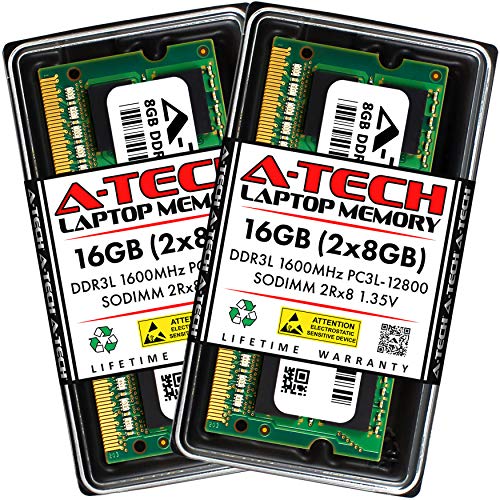
A-Tech DDR3L RAM 16GB Kit (2x8GB) 1600MHz PC3L-12800 SODIMM Laptop Memory
- Memory Capacity: 16GB Kit (2x8GB)
- Memory Type: DDR3L SO-DIMM 1600MHz
- Voltage: 1.35V Low Voltage
As an affiliate, we earn on qualifying purchases.
As an affiliate, we earn on qualifying purchases.
Upcoming Capacity Expansions and Market Indicators
Monitoring the start of production at Micron’s Idaho fab in mid-2027 and SK Hynix’s Indiana plant will be critical. Industry reports and quarterly earnings from major players will provide updates on capacity ramp-up and pricing trends. The potential impact of new AI hardware efficiencies and demand moderation will also shape the market’s trajectory through 2028 and beyond.
Expect further guidance from manufacturers and analysts as they refine their forecasts based on actual capacity additions and demand signals.
As an affiliate, we earn on qualifying purchases.
Key Questions
Will memory prices ever return to pre-2024 levels?
Most industry analysts expect prices to remain 30–50% higher than pre-crisis levels, with full return to 2024 prices unlikely before 2028–2029.
What factors are delaying the relief in memory shortages?
The main factors include physical constraints in building fabs, the time required to ramp new capacity, and disciplined manufacturing strategies to avoid overbuilding amid high profits.
Could a market crash happen if supply exceeds demand?
Yes, if demand weakens sharply or AI growth stalls, oversupply could trigger a price crash, though current trends favor gradual relief.
How might demand-side improvements affect prices?
Efficiency gains in AI and better memory usage techniques could reduce demand, easing price pressures without new capacity.
Are US government incentives helping increase supply?
While the CHIPS Act funds new fabs, their impact on near-term supply is limited, with most capacity additions expected after 2027.
Source: ThorstenMeyerAI.com