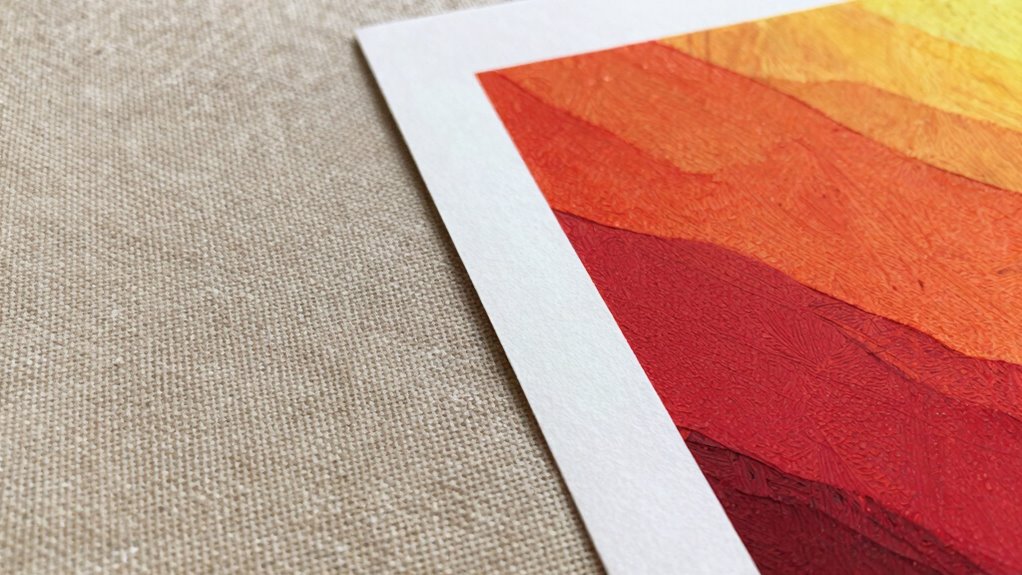

When comparing canvas prints to fine art paper prints, you’ll notice that canvas offers a warm, textured look that adds depth but is less sharp, making details softer. Fine art paper prints deliver vibrant colors and precise details, ideal for intricate artwork. Durability varies—canvas needs UV protection, while high-quality paper resists aging. Your choice depends on whether you prefer a rich, textured feel or crisp clarity. Keep exploring to discover more about which option suits your style best.

Get business pricing on monitors, keyboards and dev gear
- Business-only prices and quantity discounts
- Tax-exempt purchasing
- Multiple users, one account, clear invoices
Key Takeaways
- Canvas prints provide a textured, softer appearance, while fine art paper offers sharpness and intricate detail.
- Colors on canvas tend to be softer and less vibrant, whereas paper prints showcase more vivid, true-to-life hues.
- Canvas is durable but needs UV-protection coatings; paper prints require careful handling and archival framing.
- Canvas adds warmth and depth, making it suitable for a textured, inviting display; paper emphasizes clarity and fine details.
- Long-term preservation depends on protective coatings and proper environmental conditions for both mediums.
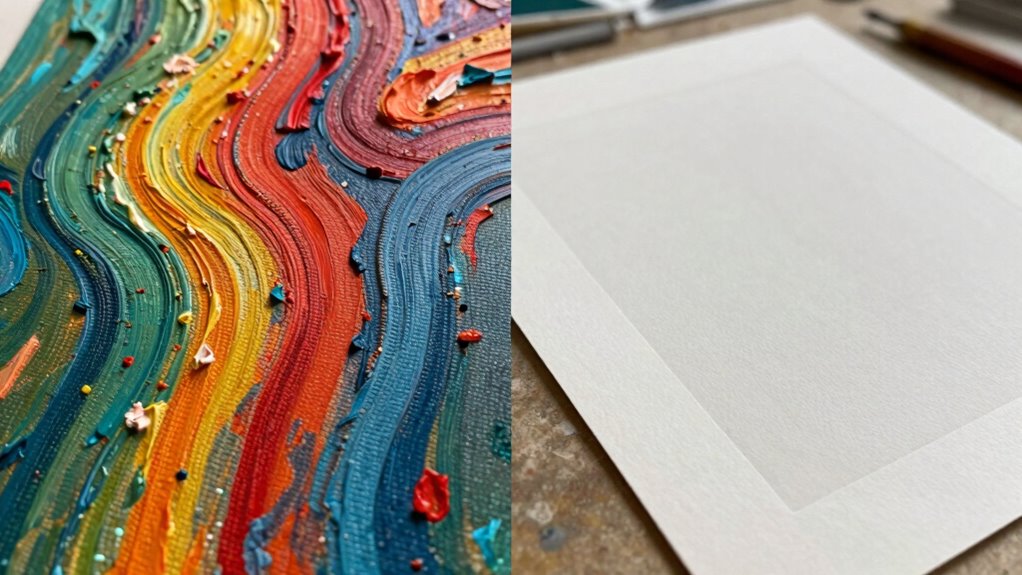
When choosing how to display your favorite images, understanding the differences between canvas prints and fine art paper prints is essential. Both options offer unique advantages, but the decision ultimately depends on what qualities matter most to you—whether that’s color vibrancy, material durability, or presentation style. Canvas prints tend to provide a warm, textured look that adds depth to your images. They often have a slightly softer appearance, which can make colors feel richer and more inviting. However, their color vibrancy may not be as sharp or crisp as that of fine art paper prints, especially when it comes to intricate details or subtle hues. Canvas material is generally durable, but it can be susceptible to scratches or fading over time if not properly protected, especially in direct sunlight or humid environments. Proper material protection is key to preserving their appearance over the years. Additionally, UV-resistant coatings can significantly extend their lifespan and maintain their visual appeal. For added longevity, some manufacturers also offer specialized coatings to further protect against environmental damage. Regular cleaning, environmental considerations, and choosing the right protective measures can also impact how well your canvas print ages over time.
On the other hand, fine art paper prints are prized for their ability to showcase exceptional detail and sharpness. The paper itself is usually of high quality, with a smooth or textured surface that enhances the richness of colors and the clarity of fine lines. When it comes to color vibrancy, paper prints often deliver more vivid, true-to-life hues, especially with high-end archival papers designed for longevity. The material durability of fine art paper varies depending on the type of paper used; acid-free, archival-quality papers are resistant to yellowing and deterioration, making them suitable for long-term display. However, they are generally less resistant to physical damage than canvas, and handling or framing must be done carefully to avoid tears or creases. Proper framing and handling are essential to maintaining their pristine condition. Choosing the right printing medium can help ensure your artwork remains vibrant and intact for years to come.
UV protective canvas print coating
As an affiliate, we earn on qualifying purchases.
As an affiliate, we earn on qualifying purchases.
Frequently Asked Questions
Which Print Type Is More Environmentally Friendly?
You’ll find that fine art paper prints are generally more eco-friendly because they often use eco-friendly materials and sustainable printing processes. Canvas prints may involve more plastic-based materials and chemical inks, which can be less sustainable. If you prioritize environmental impact, opt for fine art paper prints that utilize biodegradable or recycled materials and environmentally conscious printing methods, reducing your overall carbon footprint and supporting sustainability.
How Do Durability and Lifespan Compare Between the Two?
You’ll find that canvas prints generally have a longer lifespan than fine art paper prints due to print material differences. Canvas is more durable and resistant to tears and fading, especially when combined with preservation techniques like UV coating or sealing. Fine art papers, while high quality, tend to be more sensitive to light and moisture. Proper framing and storage can extend their lifespan, but overall, canvas offers greater durability.
Can Both Prints Be Framed or Displayed Outdoors?
Both canvas and fine art paper prints can be framed, but outdoor suitability varies. Canvas prints are more resilient to weather, making them suitable for outdoor display if properly sealed and protected. Fine art paper prints generally aren’t designed for outdoor use, as they can fade or get damaged from moisture. For outdoor settings, opt for weatherproof framing and protective coatings, especially for canvas, to guarantee longevity.
What Are the Cost Differences Over Time?
You might be surprised at the long-term costs. Canvas prints typically cost more upfront but offer greater print longevity and better color stability, reducing the need for replacements. Fine art paper prints are cheaper initially but might fade faster, leading to higher expenses over time. So, while you save today, the ongoing costs of preserving your artwork could tip the scales. Choose wisely—your wall’s future depends on it.
How Do They Impact the Perception of Artwork Quality?
You’ll notice that canvas prints often enhance perception of artwork quality through richer color vibrancy and textured depth, making images feel more lively and tangible. Fine art paper prints, on the other hand, emphasize fine detail and subtle color variations, offering an elegant, refined look. Depending on your style and display setting, choosing one can markedly influence how viewers perceive the artwork’s overall quality and emotional impact.
As an affiliate, we earn on qualifying purchases.
Conclusion
Ultimately, choosing between canvas and fine art paper prints is like selecting the perfect frame for your memories—you get to pick what feels right for you. While canvas offers a warm, inviting touch, fine art paper lends a delicate elegance. Neither is better, just different. So, trust your instinct and enjoy your art in whichever form brings a smile to your face—after all, it’s about celebrating what touches your heart most.
As an affiliate, we earn on qualifying purchases.
high-resolution fine art paper prints
As an affiliate, we earn on qualifying purchases.
As an affiliate, we earn on qualifying purchases.
Halloween Picks
halloween
As an affiliate, we earn on qualifying purchases.