
When choosing between acid-free and acidic paper, you should consider durability and longevity. Acid-free paper is made without harmful lignin and chemicals, so it resists yellowing, brittleness, and deterioration over time. Acidic paper, often recycled or lower quality, tends to decay faster and damages valuable items. If you’re interested in preservation and sustainability, acid-free options are better. Keep exploring to see how these differences can impact your collections or projects.
Key Takeaways
- Acid-free paper is produced without lignin and harmful chemicals, ensuring longer preservation, while acidic paper contains these damaging substances.
- Acid-free paper resists yellowing and brittleness, making it ideal for archival use; acidic paper deteriorates faster over time.
- Eco-friendly and sustainable, acid-free paper uses renewable resources; acidic paper often involves recycled fibers and is less environmentally friendly.
- Acid-free paper maintains document integrity for decades or centuries, suitable for museums, libraries, and collectors; acidic paper is less durable.
- Choosing acid-free paper reduces waste, minimizes conservation costs, and offers better long-term protection for important materials.

When choosing paper for preservation or everyday use, understanding the difference between acid-free and acidic paper is essential. This knowledge can profoundly influence how well your documents, photographs, or artworks stand the test of time. Acidic paper contains lignin and other substances that can cause it to yellow, become brittle, and deteriorate more rapidly. Conversely, acid-free paper is manufactured without these harmful components, making it a preferred choice for archival preservation. If you’re aiming to keep important documents intact for decades or even centuries, opting for acid-free paper is a wise decision. It offers a much longer lifespan because it resists the chemical reactions that lead to decay, ensuring your materials remain legible and intact over time.
Moreover, the environmental impact of your paper choices is increasingly important. Acid-free paper is often produced using renewable resources and environmentally friendly processes that reduce harmful emissions. Many manufacturers now prioritize sustainability, making acid-free options not only better for long-term preservation but also more eco-conscious. On the other hand, acidic paper tends to be made from recycled or lower-quality fibers that may involve less sustainable manufacturing practices. Over time, because acidic paper deteriorates faster, it contributes to more waste and requires more frequent replacement. Choosing acid-free paper can reduce your environmental footprint by decreasing the need for frequent reprints or replacements, ultimately supporting sustainable practices.
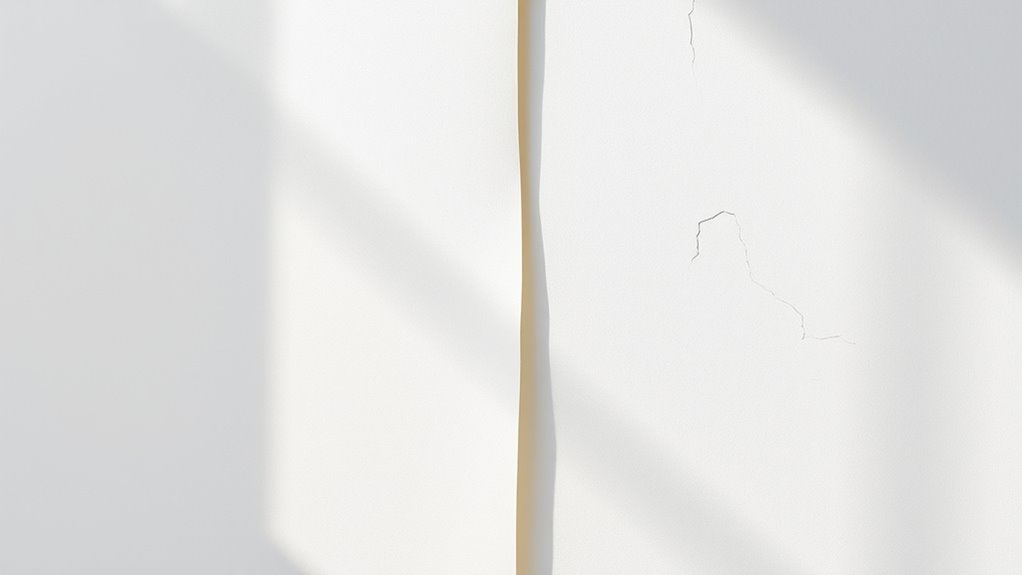
In terms of archival preservation, acid-free paper plays a crucial role. When you store photographs, manuscripts, or art on acid-free paper, you’re actively protecting your collection from the damaging effects of acidity. Acidic paper’s tendency to yellow and become brittle can lead to irreversible damage, making it unsuitable for long-term storage. Acid-free paper, however, maintains its strength and appearance over extended periods, making it ideal for archival purposes. This is especially true for libraries, museums, and individuals who want their collections to survive for future generations. The investment in acid-free paper directly translates into better preservation, fewer conservation efforts, and more lasting value of your collections.

25 Sheets Acid-Free Archival Tissue Paper – 20 x 30 Inch, Protects Clothing & Linen Gifts
Package Content: You will receive 25 sheets of acid-free tissue papers, and each sheet of paper measures 20x30inch…
As an affiliate, we earn on qualifying purchases.
As an affiliate, we earn on qualifying purchases.
Frequently Asked Questions
How Long Does Acid-Free Paper Last Compared to Acidic Paper?
You’ll find that acid-free paper generally lasts much longer than acidic paper, thanks to its superior archival durability. Its material longevity means your documents and artwork stay preserved for decades or even centuries, resisting yellowing, deterioration, and decay. Acidic paper, on the other hand, tends to break down more quickly over time. So, if you want your materials to stand the test of time, acid-free paper is the better choice for long-term preservation.
Is Acid-Free Paper More Environmentally Friendly Than Acidic Paper?
Yes, acid-free paper is more environmentally friendly than acidic paper. It has a lower environmental impact because it’s made without harmful chemicals and decomposes more naturally. Plus, the recycling processes for acid-free paper are simpler and produce less pollution. By choosing acid-free, you help reduce waste and lessen your ecological footprint, making it a smarter choice for sustainability and environmental health.
Can Acid-Free Paper Be Recycled More Easily Than Acidic Paper?
You’ll find acid-free paper is generally easier to recycle because it produces fewer harmful emissions, which improves recycling efficiency. For example, a school switched to acid-free paper and saw less contamination in their recycling bin, reducing environmental impact. Since acid-free paper decomposes more cleanly, it’s better for the environment and simplifies recycling processes. So, choosing acid-free paper helps you support a more sustainable and efficient recycling system.
What Are the Cost Differences Between Acid-Free and Acidic Paper?
You’ll find that acid-free paper generally costs more than acidic paper due to pricing disparities caused by higher manufacturing expenses. Producing acid-free paper requires special processes and quality materials, which increase production costs. While acidic paper is cheaper and more widely available, investing in acid-free options can be worthwhile for longevity and environmental benefits. Budget considerations might influence your choice, but understanding these cost differences helps you make informed decisions.
Are There Specific Industries That Prefer Acid-Free Over Acidic Paper?
Think of industries like museums and art galleries that treat their items like precious treasures—these prefer acid-free paper because it’s their shield against time’s relentless march. Archival preservation requires acid-free paper to safeguard documents and artwork, while luxury packaging uses it to add a touch of elegance and longevity. You’ll find publishers and libraries also selecting acid-free options to guarantee their materials stand the test of time.

RYKOMO 100 Sheets 15 x 20 Inch Acid Free Tissue Paper for Storage, Unbuffered No Acid Papers White Tissue Paper Large Wrapping Papers Bulk for Preserving Clothing Festival Mother's Day Gift Wrap
Abundant Quantity: 100 sheets 15" x 20" white tissue paper, ensuring you have an ample supply for your…
As an affiliate, we earn on qualifying purchases.
As an affiliate, we earn on qualifying purchases.
Conclusion
Choosing acid-free paper is like holding onto a treasured keepsake from the past, ensuring your documents stand the test of time—no need for a time machine. While acidic paper might seem fine now, it’s bound to fade and crumble as the years go by. Don’t let your memories turn to dust like ancient scrolls in a forgotten library. Opt for acid-free, and your legacy will endure, echoing through generations like a timeless sonnet.

Lineco Buffered Acid-Free Interleaving Tissue 8.5" x11", Archival Paper Extends Life of Pictures, Photographs, Artwork and Textiles, for Black & White, Color, and Albumen Prints, Pack of 100
Lineco is a leading manufacturer of archival storage materials for preservation of photos, documents, and artwork. Trusted by…
As an affiliate, we earn on qualifying purchases.
As an affiliate, we earn on qualifying purchases.

Lineco, Acid-Free Unbuffered Interleaving Tissue Paper for Storage, 30 x 40 Inches, Preserve and Separate Prints, Documents, Letters, Newspaper (Pack of 12)
Archival material created and made in USA. Lineco is a leading and trusted brand for archival art, photography,…
As an affiliate, we earn on qualifying purchases.
As an affiliate, we earn on qualifying purchases.