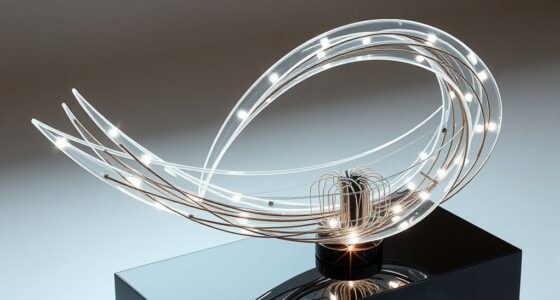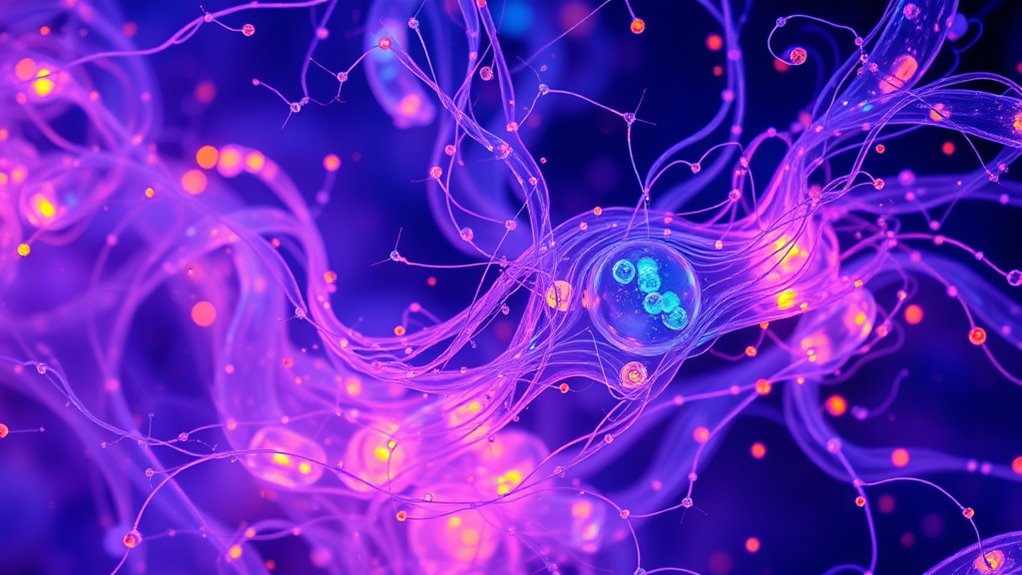

The biotech art movement transforms living systems into your artistic mediums by blending biology with creative expression. You’ll see artists manipulating genetic codes and biofabrication techniques to craft artworks that grow, change, and respond to their environment. These living creations challenge your traditional notions of static art and invite you to see life as a dynamic, evolving canvas. To get a deeper understanding, explore how these innovative processes could reshape your view of art and life itself.
Key Takeaways
- The biotech art movement uses living organisms and genetic coding as artistic mediums, transforming life itself into art.
- Artists manipulate genetic expression to create dynamic, evolving artworks capable of growth and environmental response.
- Biofabrication techniques enable precise engineering of living tissues or structures for artistic purposes.
- The movement challenges traditional notions of static art, emphasizing living, self-sustaining, and adaptable artworks.
- Ethical considerations and public awareness are central, addressing the implications of manipulating life as an artistic medium.
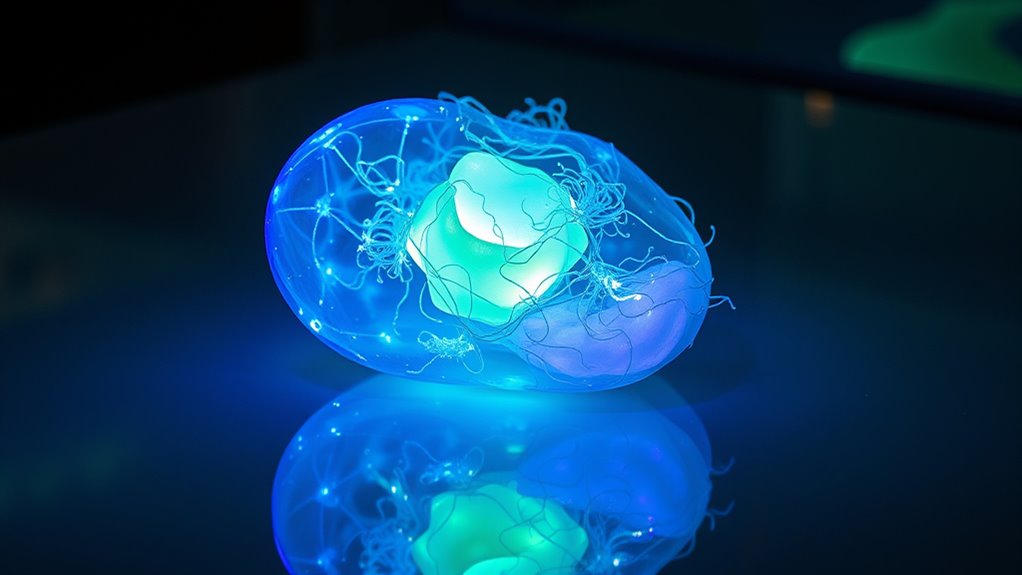
Have you ever wondered how art and science can fuse to create something truly revolutionary? In the world of the biotech art movement, this fusion is not just a concept—it’s a reality. Artists are now working directly with biological systems, transforming living matter into expressive mediums. Central to this movement is the manipulation of genetic expression, where artists harness the power of genetic coding to influence how organisms develop and behave. Instead of traditional pigments or materials, they use genes as their palette, designing living artworks that can grow, change, or even respond to their environment. This approach challenges your perception of art as static, emphasizing instead a dynamic process rooted in biology.
Biofabrication techniques are key tools in this innovative space. These methods allow artists to engineer living tissues or structures by layering cells or biopolymers with precision. Imagine creating sculptures that aren’t made from marble or metal but from living cells that can thrive and evolve. These biofabricated artworks can be designed to express specific traits or functions, blurring the line between art and biological engineering. The process often involves guiding cellular growth patterns, controlling gene expression, and integrating bioreactors, all of which demand a deep understanding of biology combined with artistic vision. Through biofabrication, you can see how the boundaries of traditional art are pushed, leading to creations that are not only visually striking but also biologically functional.
What makes this movement truly revolutionary is its potential to make you rethink life itself. When you observe these living artworks, you’re witnessing a form of expression that’s inherently adaptable and self-sustaining. Artists are experimenting with genetic engineering to produce organisms that serve as living sculptures, environmental sensors, or even ethical statements. By manipulating genetic expression, they can program organisms to react in specific ways, turning biological responses into artistic narratives. This intersection of art and science invites you to contemplate the future of living systems—how they could become part of our cultural fabric, not just as products of nature, but as intentional, expressive creations. It’s a bold new domain where biofabrication techniques and genetic expression converge to challenge your perceptions of creativity, life, and the very essence of artistic expression. Additionally, this movement emphasizes the importance of public awareness and ethical considerations in the development and deployment of living art forms.
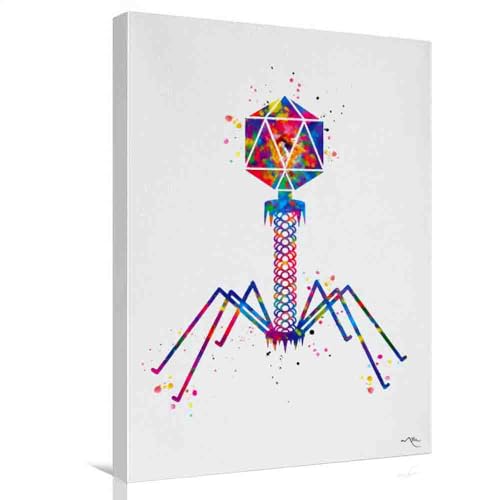
Rwoodart Hanging Wall Art Canvas,Watercolor Print Medical Art Biotech Wall Art Bioscience Microbiology Virus Art Biology Science Decor-8"x12" wood frame canvas wall art
1、Our canvas art decoration paintings are printed in high definition, please rest assured to buy. The product is…
As an affiliate, we earn on qualifying purchases.
As an affiliate, we earn on qualifying purchases.
Frequently Asked Questions
How Do Biotech Artists Ensure Ethical Standards?
You guarantee ethical standards by actively engaging in bioethics debates and staying informed about current regulations. You take artistic responsibility seriously, carefully considering the potential impacts of your work on society and the environment. You collaborate with scientists, ethicists, and communities to address concerns, and you prioritize transparency. By doing so, you demonstrate a commitment to ethical practices, fostering trust and advancing responsible innovation in biotech art.
What Are the Main Tools Used in Biotech Art?
Think of biotech art tools as your paintbrushes and chisels in a world of living material. You use genetic modification techniques to alter DNA, creating new forms, and biofabrication to build structures from biological components. These tools allow you to explore the boundaries of life, turning cells and tissues into artistic media. With precision and care, you craft living art that challenges perceptions and pushes scientific limits.
How Does Biotech Art Impact Public Perception of Science?
You see biotech art shaping public perception by fostering public engagement and sparking cultural influence. It makes complex scientific concepts accessible and relatable, encouraging people to think critically about biotech advances. This art form humanizes science, reducing fears and misconceptions, and inspires dialogue between scientists and communities. As a result, it promotes a more informed society, where cultural perspectives and ethical considerations are integrated into scientific progress.
Can Biotech Art Be Commercially Viable?
Coincidentally, biotech art can be commercially viable if you focus on market acceptance and commercial sustainability. You need to innovate in ways that appeal to collectors and investors, blending artistic expression with scientific intrigue. By aligning your work with current trends and ethical standards, you increase its appeal. When audiences see the value, both aesthetic and scientific, your biotech art gains potential for lasting market success and cultural impact.
What Are Future Trends in Biotech Art Development?
You’ll see biotech innovation increasingly blending with creative expression, pushing the boundaries of art. Future trends include bioengineered installations, living sculptures, and DNA-based artworks that evolve over time. As technology advances, you’ll find more artists experimenting with synthetic biology, gene editing, and bioprinting. This fusion will create immersive, interactive experiences, making biotech art more accessible and inspiring new ways to explore life’s complexity through your artistic lens.
biofabrication art supplies
As an affiliate, we earn on qualifying purchases.
As an affiliate, we earn on qualifying purchases.
Conclusion
As you plunge into the biotech art movement, you become a pioneer exploring a living canvas where science and creativity collide. Think of life itself as your paintbrush, shaping vibrant stories within cells and DNA. This movement invites you to see biology not just as data, but as a brushstroke in the masterpiece of existence. Embrace this vibrant frontier, where life is your medium, and every experiment is a stroke of artistic daring.

SP Bel-Art Colony Replicating Tool for 96-Well Plates (Bel-Blotter); Polycarbonate (F37876-0002)
Improves throughput with rapid, efficient plate replicating tool
As an affiliate, we earn on qualifying purchases.
As an affiliate, we earn on qualifying purchases.
OWADAR Modern Abstract Couple Statue, Kissing Lovers Sculpture Figurine for Home Decor Living Room Bedroom Bookshelf Office, Gift for Wedding Anniversaries, Love Decor Ornament for Couple Valentines
Symbol of Love: This elegant abstract couple sculpture captures a deep emotional connection, making it a meaningful decoration…
As an affiliate, we earn on qualifying purchases.
As an affiliate, we earn on qualifying purchases.