
To store large drawings without creases or curling, keep them flat in acid-free portfolios or flat file drawers, and avoid folding or rolling. When handling, make sure your hands are clean, and support the entire artwork to prevent damage. Use acid-free materials, such as folders and backing boards, and store in a cool, dry environment away from direct sunlight. To protect your artwork long-term, learn more about the best techniques and materials for preservation.

Get business pricing on monitors, keyboards and dev gear
- Business-only prices and quantity discounts
- Tax-exempt purchasing
- Multiple users, one account, clear invoices
Key Takeaways
- Store large drawings flat in acid-free portfolios or flat file drawers to prevent creases and curling.
- Use acid-free tissue paper or glassine sheets between layers to protect surfaces and maintain flatness.
- Roll drawings loosely around a large diameter tube with the front side inward, then flatten carefully when unrolled.
- Keep stored drawings in a cool, dry environment with stable temperature and humidity to prevent warping.
- Handle with support, avoiding excessive bending or folding, and use padded containers for transportation or storage.
As an affiliate, we earn on qualifying purchases.
Why Flat Storage Is Essential for Large Drawings
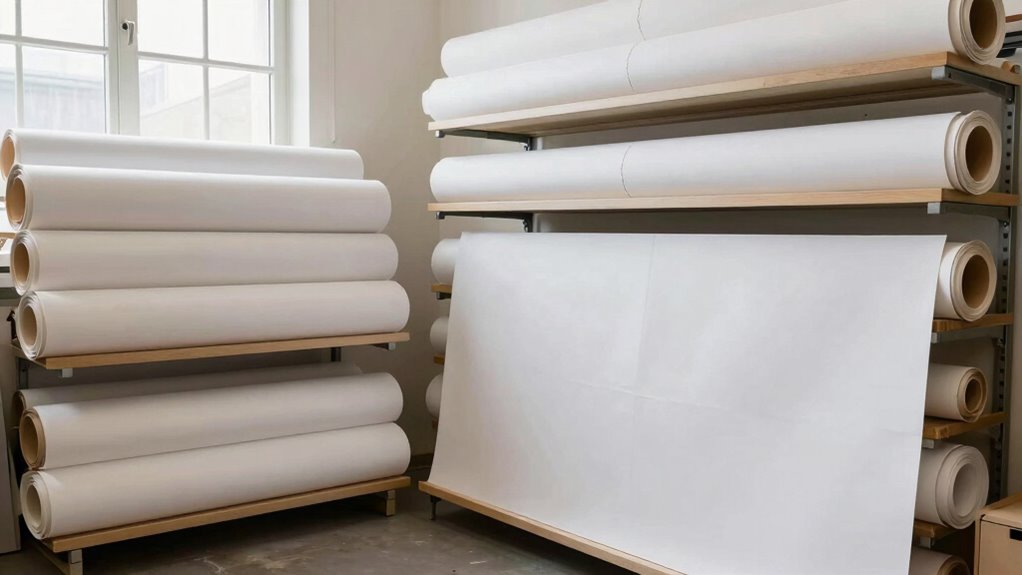
When it comes to storing large drawings, flat storage is essential because it prevents creases, tears, and other damage that can occur when they are folded or rolled. Flat storage keeps your artwork in pristine condition, preserving details and colors. It also offers flexible framing options, allowing you to choose frames that suit your display or preservation needs. Additionally, flat storage facilitates digital archiving, making it easier to scan or photograph your drawings without risking damage. Proper handling techniques play a crucial role in maintaining the integrity of your artwork during storage and retrieval. By avoiding folds and creases, you ensure your artwork remains smooth and intact over time. This method is especially beneficial for valuable or delicate pieces, as it minimizes handling and potential harm. Proper storage techniques help maintain the integrity of your artwork for years to come. Utilizing appropriate climate control conditions can further protect your drawings from environmental damage such as humidity or temperature fluctuations. Understanding the importance of artwork preservation techniques is key to long-term conservation. Additionally, using acid-free materials and environmentally controlled storage environments can significantly extend the lifespan of your artwork. Overall, flat storage is the best way to protect your large drawings for years to come.
As an affiliate, we earn on qualifying purchases.
How to Properly Flatten and Roll Your Large Artwork

To guarantee your large artwork remains in top condition, learning how to properly flatten and roll it is key. Start by gently laying the piece on a clean, flat surface. Use soft weights or a pressing cloth to carefully flatten creases—avoid excessive pressure to prevent damage. When rolling, choose a large diameter tube to prevent curling. Roll the artwork loosely, with the front side facing inward, to minimize stress. To protect the surface, consider rolling around acid-free materials or protective sleeves designed specifically for large artwork. When displaying, opt for options that don’t require frequent handling, like framing or mounted displays, which reduce the need to re-roll. Proper flattening and rolling extend your artwork’s lifespan and keep it looking pristine for years to come. Additionally, specialized tools designed specifically for large artwork can make the process easier and help maintain the piece’s integrity over time. Using appropriate storage techniques can further safeguard your artwork from environmental damage and deterioration. Incorporating climate-controlled storage environments can also help preserve your artwork’s condition over the years.
acid-free tissue paper for art storage
As an affiliate, we earn on qualifying purchases.
As an affiliate, we earn on qualifying purchases.
Choosing the Best Materials to Store Large Drawings Flat
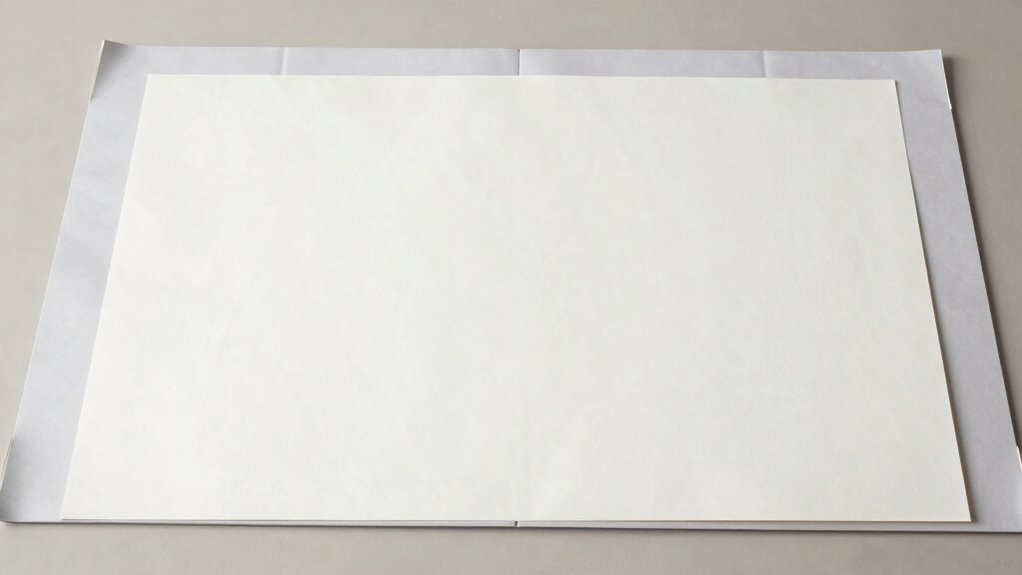
Are you selecting the right materials to store your large drawings flat? Using archival quality, acid-free materials guarantees your artwork stays pristine over time. Look for acid-free folders, sleeves, and mounting boards that prevent deterioration. These materials won’t yellow or become brittle, protecting your drawings from acid damage. To further ensure longevity, always store your artwork in a controlled environment, away from direct sunlight and humidity. Additionally, proper storage techniques such as stacking and labeling can help prevent creases or curling over time. Implementing consistent handling practices reduces the risk of damage during access. Proper climate control further safeguards your artwork from environmental factors. Here’s a quick comparison:
| Material Type | Benefits | Ideal Use |
|---|---|---|
| Acid-free folders | Prevent yellowing, long-term storage | Storing flat drawings |
| Archival sleeves | Extra protection, easy handling | Display or transport |
| Acid-free mounting board | Supports, frames without damage | Large drawings, mounting |
| Polyester sleeves | Clear, durable, non-reactive | Protecting surface details |
| Acid-free paper | Cushions, prevents bending | Padding inside storage containers |
Choosing these materials helps preserve your art’s quality without harmful acids.
As an affiliate, we earn on qualifying purchases.
Storage Solutions That Keep Your Drawings Safe and Flat
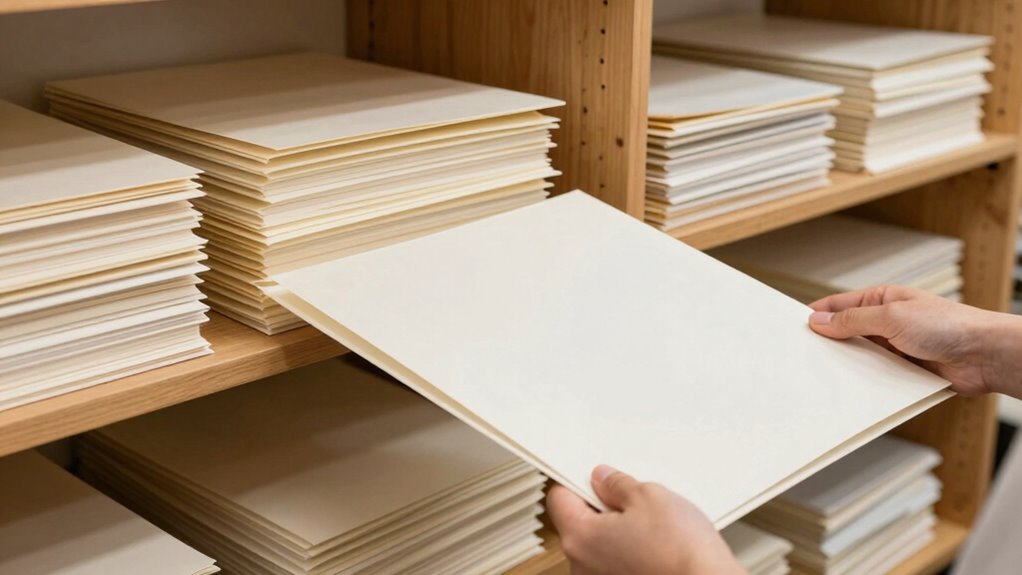
Proper storage solutions are vital for keeping your large drawings safe and flat over time. Framing techniques are a dependable way to protect your artwork while displaying it, preventing curling and damage. Use acid-free mats and UV-protective glass to preserve colors and prevent deterioration. For storage, consider flat storage options like foam core-backed portfolios or large flat file drawers that keep drawings completely flat and secure. Display methods also play an essential role; hanging drawings with sturdy, acid-free mounting tape or framing with secured backing ensures they stay flat and protected from handling damage. Avoid rolling or folding, which can cause creases. Additionally, selecting sustainable paper options can contribute to environmentally friendly preservation. Implementing proper handling techniques minimizes the risk of accidental creases or tears during storage or display. Using archival storage materials ensures long-term preservation and prevents chemical deterioration that can occur with inferior supplies. Regularly inspecting stored drawings for signs of deterioration helps catch issues early and maintain their condition. By combining effective framing techniques and smart display methods, you’ll guarantee your large drawings stay pristine, flat, and protected for years to come.
Storing Drawings in the Right Environment for Longevity
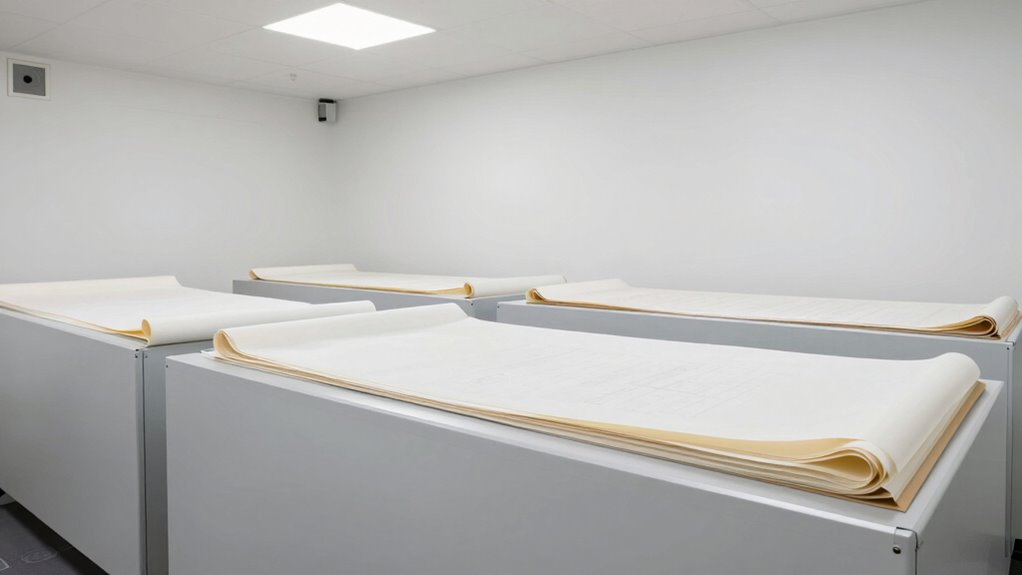
Maintaining the right environment is essential for ensuring your large drawings last over time. Proper framing options protect your artwork from dust, dirt, and environmental damage, while also providing physical support. Use UV-protective glass or acrylic when framing to shield against light damage. Display methods also matter; avoid hanging drawings in direct sunlight or areas with high humidity. Instead, choose a climate-controlled space with stable temperature and humidity levels to prevent warping or deterioration. Consider using acid-free mats or backing boards inside the frame to prevent chemical reactions over time. Additionally, proper storage techniques can further safeguard your drawings when not on display. Ensuring consistent climate control helps prevent fluctuations that can cause damage. By controlling these environmental factors, you help preserve your drawings’ integrity, ensuring they stay flat, vibrant, and free from damage for years to come.
Long-Term Storage Tips for Large Artwork

To guarantee your large drawings stand the test of time, adopting effective long-term storage strategies is essential. Start by exploring framing options that protect your artwork from dust, light, and physical damage. Choose UV-protective glass or acrylic to prevent fading, and use acid-free mats to avoid chemical reactions. When considering display, think about rotation; avoid prolonged exposure to direct sunlight or high humidity, which can cause deterioration. Store your drawings flat in acid-free portfolios or archival boxes when not on display, ensuring they are supported evenly to prevent creases or curls. Proper framing and thoughtful display considerations help preserve your artwork’s quality, ensuring it remains vibrant and intact for years to come. Additionally, understanding eco-friendly disposal options for art materials can help minimize environmental impact when it’s time to update or discard supplies. Incorporating proper climate control into your storage routine can further extend the lifespan of your artwork by reducing exposure to damaging temperature fluctuations and humidity levels. Maintaining appropriate storage conditions is crucial for preventing common issues like mold or warping over time, especially considering the importance of air circulation in avoiding trapped moisture.
Quick Guide: Maintaining Your Drawings Over Time

To keep your large drawings in top shape, you need to focus on proper storage techniques and careful handling. Always handle your artwork with clean hands and use support to prevent damage during transportation. Regularly inspecting and maintaining your storage setup helps guarantee your drawings stay preserved over time. Incorporating appropriate storage conditions, such as consistent temperature and humidity levels, is essential for long-term preservation.
Proper Storage Techniques
Proper storage is essential for preserving large drawings and preventing damage over time. You should consider framing options that protect your artwork from dust, light, and physical impacts, while allowing easy access if needed. Use acid-free mats and UV-protective glass to prevent deterioration and fading. Additionally, creating digital backups of your drawings offers a reliable safeguard against loss or damage; scan or photograph your work at high resolution and store copies securely online or on external drives. Proper storage also involves keeping your drawings flat in a cool, dry environment, away from direct sunlight and fluctuating temperatures. Invest in quality storage materials like acid-free folders or large portfolios to prevent creases and curling. Combining framing options with digital backups ensures your large drawings stay safe over time.
Handling and Transportation
Handling and transportation are key steps in maintaining your large drawings’ condition over time. When moving your artwork, always support it fully to prevent creases or tears. Use sturdy, protective materials like acid-free folders or tubes for transport, especially if you’re planning to frame art later. Avoid bending or folding the drawings, and keep them flat whenever possible. Digital archiving is a smart way to preserve your work electronically, reducing the need for frequent handling. When transporting, choose a stable, padded container to minimize movement and damage. Carefully plan your route to prevent jostling. Proper handling and transportation not only protect your large drawings but also ensure they stay pristine for framing art or future display.
Frequently Asked Questions
How Often Should I Check Stored Large Drawings for Damage?
You should check your stored large drawings at least once every three to six months. This inspection routine helps you catch any signs of damage early, like creases or curling, which assists in damage prevention. During each check, gently handle the drawings to guarantee they remain flat and in good condition. Regular inspections keep your artwork safe and prevent long-term deterioration, ensuring your drawings stay pristine over time.
Can Humidity Levels Affect the Preservation of Large Artwork?
Humidity levels definitely affect your artwork’s preservation. You should focus on humidity control to keep your large drawings safe; high humidity can cause curling, warping, and mold growth, while low humidity may make the paper brittle. By maintaining stable humidity, you prevent mold and other damage, ensuring your artwork stays in good condition. Regularly monitor and adjust your storage environment to protect your valuable pieces effectively.
What Are Common Mistakes to Avoid When Storing Large Drawings?
Don’t let your drawings turn into a scene from a vintage comic strip by making common mistakes. You should avoid excessive folding, which causes creases, and always handle acid-free materials to preserve your artwork’s integrity. Be gentle when moving or storing, and don’t jam your pieces into tight spaces. Proper handling and careful storage keep your large drawings pristine, just like a well-preserved classic comic book.
Are There Specific Brands of Storage Materials Recommended for Large Art?
You should choose brands known for archival storage and protective sleeves, such as Archival Methods, Museum Wax, or SleevesPlus. These companies produce high-quality, acid-free, and UV-resistant materials that help preserve your large drawings. Opt for sturdy, acid-free protective sleeves and storage containers to prevent creases and curling. Investing in reputable brands guarantees your artwork stays safe and in pristine condition over time.
How Do I Safely Transport Large Drawings Without Causing Damage?
To transport large drawings safely, handle them with fragile handling in mind, always supporting the entire piece to prevent tears or creases. Use protective packaging like acid-free tissue paper and sturdy tubes or flat, reinforced containers. Secure the artwork inside to avoid shifting, and avoid bending or folding. When in doubt, enlist professional art movers to ensure your drawings arrive undamaged and well-protected during transit.
Conclusion
So, next time you fold that masterpiece into a tiny, creased mess just to save space, remember—you’re secretly crafting a future museum exhibit of crumpled history. With proper storage, your large drawings can stay pristine and flat, resisting the inevitable curl of time. Don’t let careless handling turn your art into a crinkled relic. Keep them safe and smooth, and they’ll thank you with their beauty, not their battle scars.
Evergreen bestsellers Picks
bestsellers
As an affiliate, we earn on qualifying purchases.