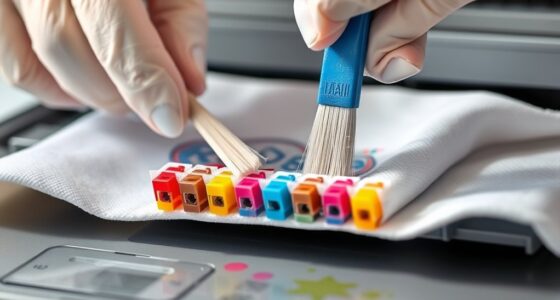
To scan old plans without damaging them, handle them gently using clean, dry hands or gloves, and support fragile areas to prevent tears. Use a high-quality flatbed scanner set at 300 dpi or higher, ensuring the plans lay flat without bending. Prepare your workspace with acid-free supports and maintain a stable environment. Careful handling and proper equipment protect your plans while capturing detailed digital copies; continue to discover effective techniques to preserve your valuable documents.

Get business pricing on monitors, keyboards and dev gear
- Business-only prices and quantity discounts
- Tax-exempt purchasing
- Multiple users, one account, clear invoices
Key Takeaways
- Handle plans with clean, dry hands or gloves, supporting fragile areas fully to prevent tears or creases.
- Use a high-quality flatbed scanner set at a minimum of 300 dpi to capture details gently.
- Prepare a clean, flat workspace with acid-free supports to minimize stress and damage during scanning.
- Carefully position the plan flat on the scanner, avoiding bending or forcing it before scanning.
- Store original plans in archival, acid-free containers after scanning to preserve their condition.
flatbed scanner for old documents
As an affiliate, we earn on qualifying purchases.
As an affiliate, we earn on qualifying purchases.
Why Old Plans Are Fragile and How to Handle Them Carefully
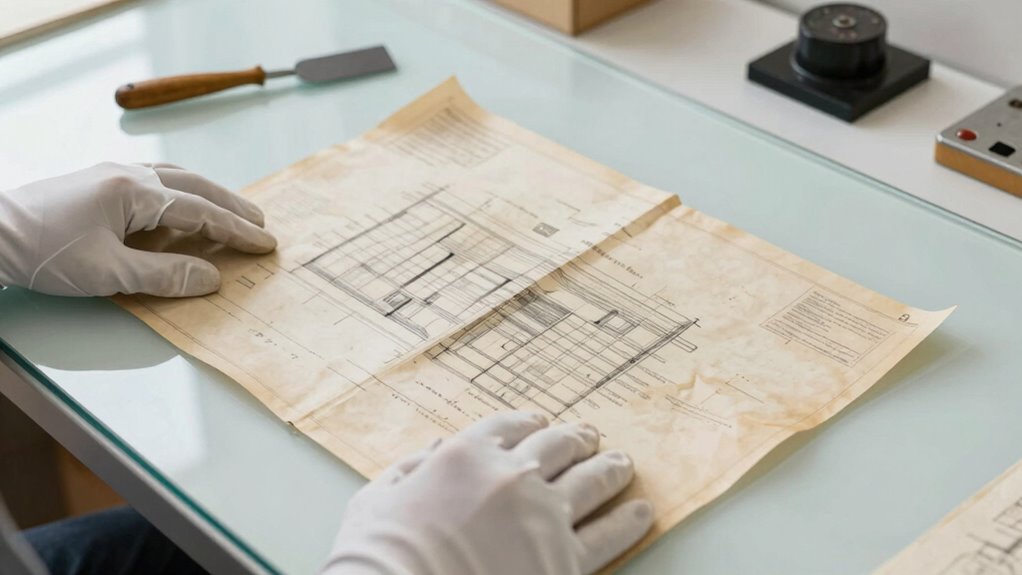
Old plans are often fragile because they’ve been stored for years, sometimes in less-than-ideal conditions. Handling delicate documents requires extra care to prevent tears, smudges, or other damage. When working with archival storage, you might encounter brittle paper, faded ink, or creases that weaken the structure. You should always handle these plans with clean, dry hands or wear gloves to avoid transferring oils and dirt. Support the plans fully when lifting or moving, and avoid unnecessary bending or folding. Proper handling guarantees the plans stay intact for future use and scanning. Additionally, understanding the material composition of old plans can help determine the best handling techniques. Being aware of acidic paper and its effects can influence storage and handling decisions. Recognizing the condition of the paper can guide you in choosing the most appropriate preservation methods. Also, using appropriate tools such as spatulas or tweezers can minimize direct contact and reduce the risk of damage. When in doubt, consulting with preservation specialists can provide expert guidance on handling fragile documents. Remember, the goal is to preserve their integrity while preparing them for digital archiving, so patience and gentle techniques are essential every step of the way.
As an affiliate, we earn on qualifying purchases.
How to Choose the Best Equipment and Techniques for Scanning Vintage Plans

Choosing the right equipment and techniques is essential to guarantee your vintage plans are scanned accurately and without damage. Start with a high-quality scanner that offers adjustable digital resolution; this ensures you capture fine details without sacrificing image quality. Opt for equipment that allows for proper calibration, so colors and contrast remain true to the original plans. Use a flatbed scanner with gentle handling features to prevent stress on fragile paper. Avoid high-speed or automatic feed scanners, which can cause tearing or creasing. Set the scanner’s resolution to at least 300 dpi for detailed preservation, and fine-tune calibration settings to match the paper type. Properly selected equipment and calibrated settings help you produce clear, detailed digital copies while protecting your valuable plans from unnecessary stress. Incorporating regional flavor insights can also guide you in choosing scanning techniques that best preserve specific types of vintage plans from different areas. For particularly fragile or valuable plans, consider specialized conservation methods to ensure their longevity during the digitization process. Understanding the material properties of your plans can help you select the most appropriate handling and scanning techniques for optimal preservation. Being aware of the condition of the paper can further inform your approach to minimize potential damage during scanning. Additionally, implementing proper handling practices can significantly reduce the risk of accidental tears or creases during the process.
As an affiliate, we earn on qualifying purchases.
Preparing Your Plans and Workspace to Minimize Damage

Before you begin scanning, it’s crucial to prepare your plans and workspace to prevent damage. Handling delicate paper requires gentle handling and proper support. Organize your workspace to minimize risks by:
- Using clean, flat surfaces to lay out your plans
- Keeping tools and equipment within easy reach to avoid unnecessary handling
- Protecting plans with acid-free sleeves or supportive backing
- Being aware of vintage document preservation techniques to ensure long-term integrity
Good workspace organization helps prevent tears, creases, or tears during handling. Carefully support fragile areas of your plans and handle them by the edges to avoid smudges or fingerprints. Maintaining a controlled environment with appropriate temperature and humidity levels further helps preserve your documents. Additionally, using proper handling techniques can significantly reduce the risk of accidental damage during the scanning process. Familiarity with document support materials can also aid in preventing damage. Clear, clutter-free space reduces accidental damage. Taking these steps ensures your old plans stay intact and in good condition throughout the scanning process. Proper preparation is essential to protect your valuable vintage documents.
gloves for handling fragile papers
As an affiliate, we earn on qualifying purchases.
As an affiliate, we earn on qualifying purchases.
A Step-by-Step Guide to Safely Scanning Old Plans Without Damage

To guarantee your plans are scanned safely without damage, start by gently placing them on a clean, flat surface and supporting any fragile areas with rigid backing. Carefully handle the plans to prevent tears or creases. Use conservation techniques, such as minimal handling and avoiding unnecessary exposure to light or moisture. When positioning the plans for scanning, ensure they lay flat without forcing or bending. After scanning, store your plans in archival storage materials to minimize future deterioration. Maintain a stable environment with controlled temperature and humidity to preserve their condition. Using appropriate scanning protocols helps prevent damage during digitization. Additionally, understanding heat buildup in scanning equipment can help prevent accidental damage to delicate documents. This approach helps protect delicate paper and ink, ensuring your plans remain intact over time. Following these steps reduces risk and promotes safe, preservation-minded digitization.
How to Protect and Preserve Your Original Plans After Scanning
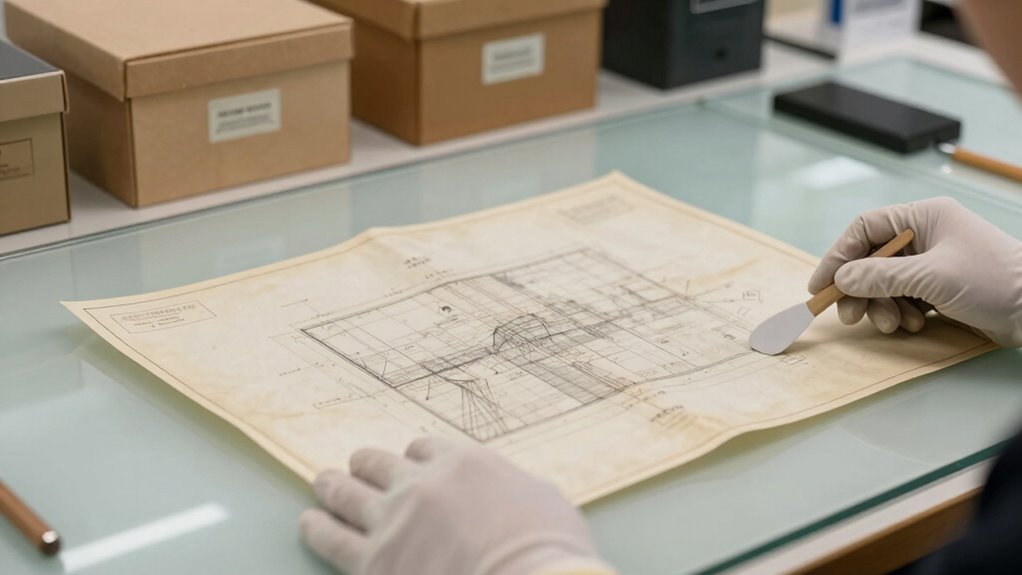
After you’ve scanned your plans, protecting and preserving the original documents becomes essential to guarantee they remain in good condition over time. Proper archival storage helps prevent deterioration caused by light, humidity, and handling. Use acid-free folders and storage boxes designed for archival preservation techniques. Keep your plans in a cool, dry, and stable environment to avoid mold and fading. Additionally, handle the documents with clean hands or gloves to minimize damage. Regularly inspect your stored plans for signs of deterioration. Ensuring proper ventilation can also help maintain a stable environment for your plans over the years. Incorporating climate control measures, such as dehumidifiers or temperature regulation, can further extend the lifespan of your valuable plans. Maintaining proper air circulation is crucial to prevent issues like mold growth and material degradation. Being mindful of storage environment conditions is essential for long-term preservation. Proper environmental conditions are vital to safeguarding your documents from unpredictable changes that could harm them.
Frequently Asked Questions
What Are Common Signs of Deterioration in Old Plans?
You’ll notice signs of deterioration in old plans like yellowing or brittleness from paper deterioration, making them fragile and prone to tears. Mold growth appears as fuzzy spots or discoloration, often in humid environments. If you see peeling edges, warping, or a musty smell, it indicates these issues. Addressing these signs early helps preserve your plans, and careful handling prevents further damage during scanning or storage.
Can Digital Scans Fully Replace Physical Plan Archives?
You might think digital scans can fully replace physical plan archives, but they’re just part of the solution. Digital preservation, when done according to archival standards, guarantees your plans stay intact and accessible for years. While digital copies are convenient, keeping original documents safe remains vital. Combining both approaches offers the best protection, preserving historical detail and guaranteeing future access without risking damage to fragile originals.
What Are the Best Storage Conditions for Fragile Plans?
You should store fragile plans in archival materials like acid-free folders and boxes, keeping them in a stable environment. Maintain a temperature around 65-70°F and humidity between 30-50% to prevent deterioration. Use conservation techniques such as minimal handling and proper support during storage. Avoid direct sunlight, and handle with clean, dry hands or gloves to preserve their integrity and guarantee long-term preservation.
How Often Should Scanned Copies Be Backed Up?
You should back up your scanned copies regularly, ideally weekly or after any major updates. Use a reliable digital backup system and store copies in cloud storage for added security. This way, you safeguard your plans from data loss due to hardware failure or accidents. Consistent backups ensure your valuable documents remain safe and accessible whenever you need them, reducing stress and preserving their integrity over time.
Are There Professional Services for Restoring Damaged Plans?
Think of your plans as fragile treasures, and yes, professional services specialize in restoring damaged ones. They use advanced restoration techniques and preservation methods to carefully repair tears, fading, or missing sections. These experts understand the delicate balance needed to bring old plans back to life without further harm. If your plans are valuable or fragile, seeking their help guarantees your documents are preserved for future generations, just like safeguarding precious heirlooms.
Conclusion
Remember, a stitch in time saves nine. By handling your old plans with care and using the right techniques, you can conserve their integrity for years to come. Always prioritize gentle handling and proper equipment to avoid damage. Once scanned, store the originals safely. With patience and attention, you’ll ensure your vintage plans remain intact—because, after all, better safe than sorry. Happy scanning!
Fall Picks
fall essentials
As an affiliate, we earn on qualifying purchases.