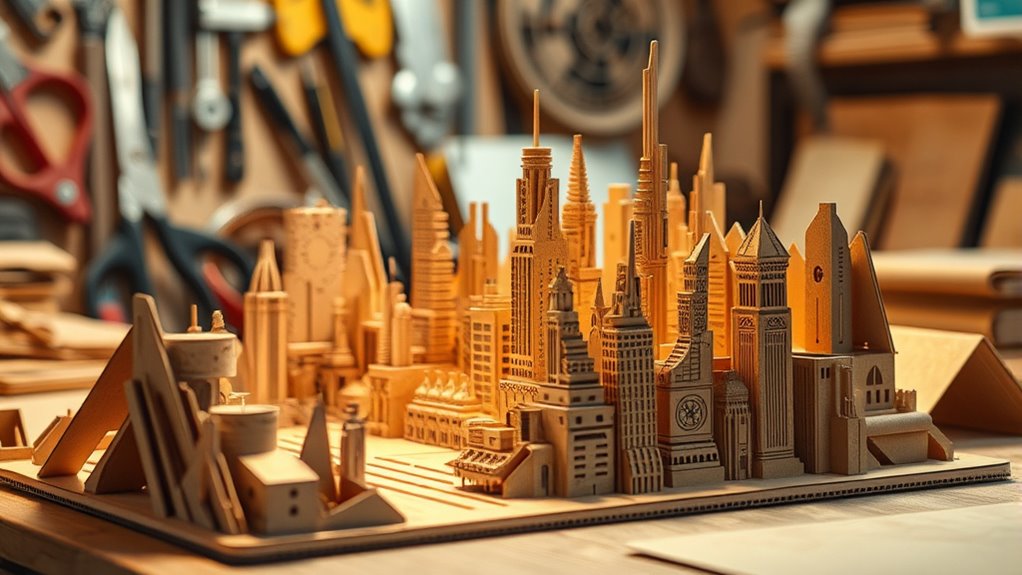

To create 3D models with cardboard, start by accurately scaling your design to keep proportions correct. Select the right material based on your project’s needs, considering thickness and flexibility for durability or detail. Use precise measurements, grid lines, and tools to transfer dimensions reliably. Carefully cut, fold, and glue pieces together, double-checking each step. Mastering these techniques guarantees strong, realistic models—continue exploring for more tips on building impressive cardboard structures.
Key Takeaways
- Plan your model’s scale early, using grid lines for accurate measurement transfer and maintaining proper proportions.
- Select suitable cardboard material based on structural needs, durability, and desired finish.
- Use precise measurements and double-check dimensions before cutting and assembling to ensure accuracy.
- Employ techniques like scoring and folding for clean edges and stable joints in the 3D model.
- Create prototypes and test fit components to refine design, ensuring proper fit and structural integrity.
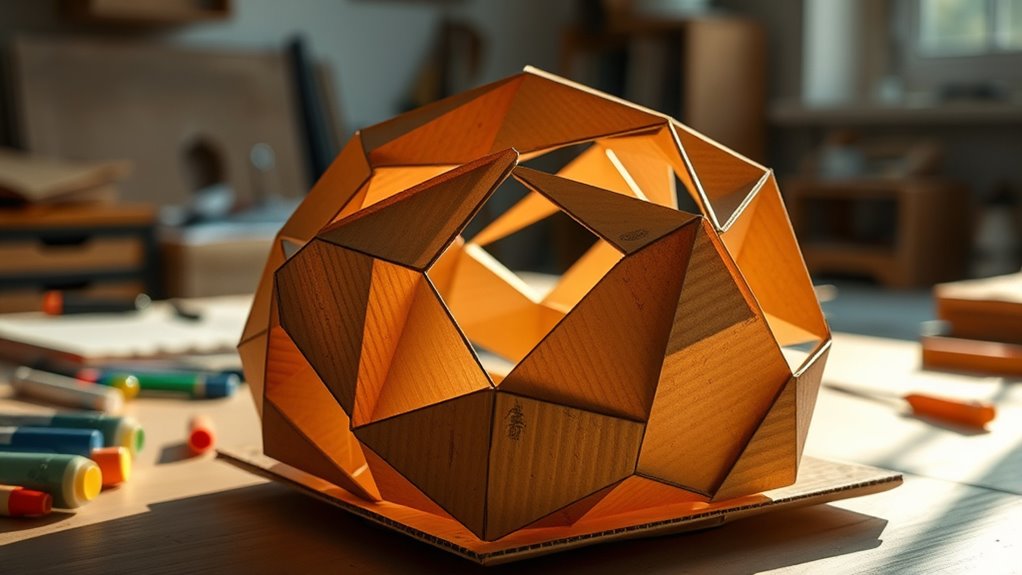
Creating 3D models with cardboard offers an accessible and cost-effective way to bring your ideas to life. Whether you’re designing prototypes, art pieces, or creative projects, mastering how to scale your models accurately is vital. Scaling techniques allow you to enlarge or reduce your design while maintaining the correct proportions, guaranteeing your final piece looks just as intended. When working with cardboard, it’s essential to plan your scale early on. You might start by creating a small prototype to test fit and function or by using grid lines on your sketches to help measure and transfer dimensions precisely. This approach helps prevent errors, saving you time and material. Remember, scaling isn’t just about size; it’s about preserving the relationships between different parts. For example, if a door on your model is supposed to be twice as tall as the window, that ratio must stay consistent when you scale up or down. You can use simple tools like rulers or digital software to assist with accurate measurements, but always double-check your calculations before cutting. Accurate measurement is fundamental to ensuring your scaled model maintains proper proportions throughout the process.
Material selection plays a pivotal role in the success of your cardboard models. Not all cardboard is created equal—some are thicker, more rigid, or more flexible, and choosing the right type can make a significant difference. Corrugated cardboard offers strength and durability, ideal for larger or structural components, while thinner cardstock might be perfect for detailed, lightweight parts. When selecting materials, consider the purpose of your model. If it needs to stand upright or bear weight, opt for sturdier options. If it’s purely decorative, lighter materials may suffice. Additionally, think about how easily the material can be cut, folded, and glued. Cardboard with a smooth surface and consistent thickness simplifies the process, reducing the chances of inaccuracies or weaknesses in your build. Using the right material also impacts the final appearance, so choose based on the desired finish—whether you want a sleek, polished look or a rustic, textured feel. Always keep in mind that the material’s flexibility and strength influence your scaling techniques; thicker or more rigid cardboard might require different cutting or folding methods compared to thinner options. By carefully selecting the appropriate material, you guarantee your model is not only visually appealing but also structurally sound, making your entire project smoother and more satisfying from start to finish.

SnapFresh Cordless Electric Scissors, 4V Electric Mini Box Cutter, Carpet & Cardboard Cutter Tool with a Replacement Blade/Charger, Rotary Cutter for Cardboard Packages Leather Plastic (Green)
- Versatile Cutting Capabilities: Cuts cardboard, leather, plastic, and more
- Includes Extra Blades: Two tungsten steel rotary blades included
- Lightweight and Ergonomic: Weighs only 0.87 lbs for easy handling
As an affiliate, we earn on qualifying purchases.
As an affiliate, we earn on qualifying purchases.
Frequently Asked Questions
What Types of Cardboard Are Best for 3D Modeling?
You should choose corrugated or single-layer cardboard for 3D modeling, as these options are durable and widely available. Recyclable options are eco-friendly and easy to find, making them ideal for projects. Consider thickness carefully; thicker cardboard offers more stability and structure, while thinner sheets are easier to cut and shape. Select based on your model’s complexity and size, ensuring your materials support your design needs effectively.
How Do I Make My Models More Durable?
To make your models more durable, reinforce weak spots with extra layers of cardboard or use reinforcing techniques like folding and layering. Applying waterproof coatings, such as acrylic spray or sealant, protects your model from moisture and damage. You might also consider using glue or tape strategically to strengthen joints and edges. These methods guarantee your cardboard models withstand handling and environmental factors, keeping them sturdy and long-lasting.
Can I Incorporate Other Materials Into My Cardboard Models?
Did you know mixed media projects increase model durability by up to 40%? Yes, you can definitely incorporate other materials into your cardboard models through material blending. Using elements like plastic, foam, or metal not only strengthens your design but also adds visual interest. Just make certain the materials are securely attached and compatible with cardboard to achieve a seamless, durable, and visually appealing mixed media model.
What Tools Are Essential for Cutting and Shaping Cardboard?
You’ll need precision blades, like craft knives or utility knives, to cut your cardboard accurately. Shaping tools such as files, sandpaper, or small rasps help smooth edges and refine curves. Always use a cutting mat for safety and precision. Keep your blades sharp to avoid tearing and guarantee clean cuts. With these tools, you can shape your cardboard confidently and achieve detailed, professional-looking models.
How Can I Paint or Finish My Cardboard Models Effectively?
To paint or finish your cardboard models effectively, start with smooth surfaces by sanding rough edges. Use acrylic paints with brushes or sponges for even coverage, applying thin layers to prevent drips. Incorporate painting techniques like dry brushing for texture or washes for shading. For finishing touches, seal your work with a clear acrylic spray to safeguard your design and enhance durability. This approach guarantees a professional, polished look.

Tottist 17"x236" Single B Flute Corrugated Cardboard Roll, Brown
- Size: 17 inches x 236 inches long
- Material: Thick, tear-resistant corrugated paper
- Versatile Use: Ideal for packaging, moving, and crafting
As an affiliate, we earn on qualifying purchases.
As an affiliate, we earn on qualifying purchases.
Conclusion
Just like Da Vinci turned simple sketches into masterpieces, you can transform everyday cardboard into stunning 3D models. With patience and creativity, you uncover a world where imagination becomes reality, echoing the Renaissance’s spirit of innovation. Remember, the true artistry lies in your hands—crafting more than just shapes, but a legacy of ingenuity. So go ahead, build your own masterpiece, and let your inner inventor shine through, as timeless as the stars.
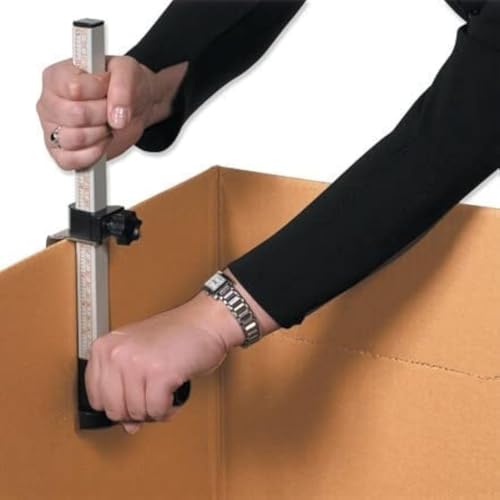
Box Resizer Tool with Scoring Wheel – Cardboard Box reducer to Customize Shipping Boxes – Box scorer Tool
- Custom Box Size Creation: Create boxes with measuring guides
- Sharp Scoring Blade: Easily perforates corrugated cardboard
- Precise Measurements: Markings simplify size reduction
As an affiliate, we earn on qualifying purchases.
As an affiliate, we earn on qualifying purchases.

Plastic Glue for Models, Miniatures, Legos, PLA, 3D Printing Repair. Fast Setting Heavy Duty Strong Super Glue for Plastic 20g
- High-strength plastic adhesive: Suitable for various plastics including PVC and ABS
- Strong, durable bonds: Ensures long-lasting repairs for models and toys
- Fast-drying formula: Sets in just 15 seconds for quick fixes
As an affiliate, we earn on qualifying purchases.
As an affiliate, we earn on qualifying purchases.