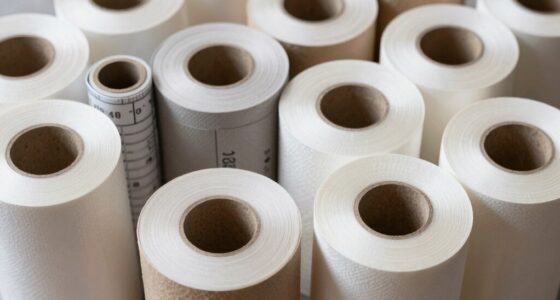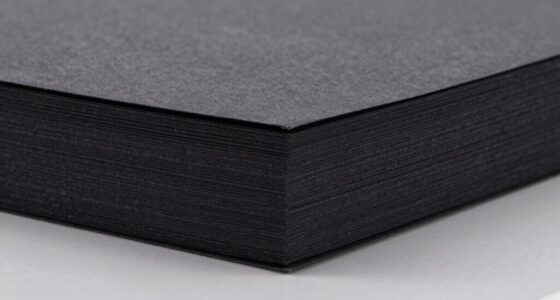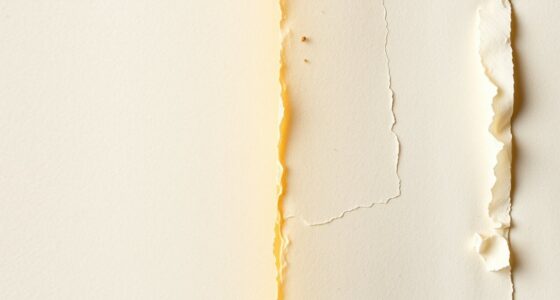

Sizing alters how ink behaves on paper by controlling its porosity and surface smoothness. When you apply proper sizing, it reduces the paper’s absorbency, helping ink sit on the surface longer for vibrant colors and sharper images. It also prevents excessive bleed and feathering, keeping your prints clean and durable. Adjusting sizing levels can make your prints look flawless and professional. If you’re curious about how to optimize ink behavior, keep going to discover more.

Get business pricing on monitors, keyboards and dev gear
- Business-only prices and quantity discounts
- Tax-exempt purchasing
- Multiple users, one account, clear invoices
Key Takeaways
- Sizing modifies paper porosity, controlling how quickly ink is absorbed and preventing excessive spreading.
- Proper sizing balances ink penetration, enhancing image sharpness and reducing feathering or bleed-through.
- Sizing reduces surface absorbency, allowing ink to sit longer for more vibrant and detailed color reproduction.
- Well-sized paper improves ink adhesion, leading to better durability and resistance to smudging or fading.
- Adjusting sizing levels influences how ink interacts with the paper surface, affecting print quality and longevity.
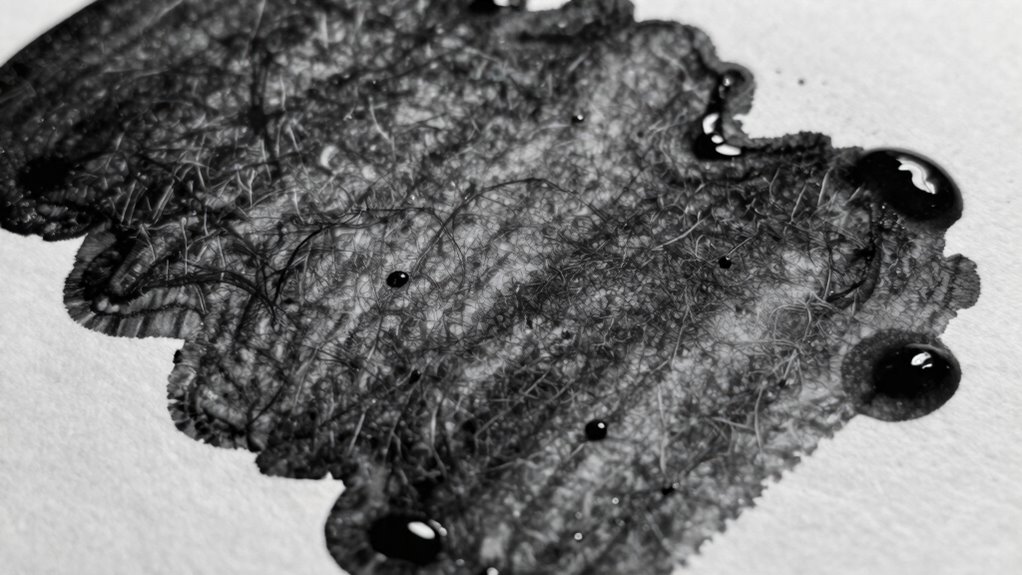
Have you ever noticed how some inks bleed or fade when applied to different papers? That’s often due to how the paper’s surface interacts with the ink, especially through the process of sizing. Sizing is a treatment applied to paper to modify its porosity and surface properties, directly influencing how ink behaves once it touches the paper. When you understand how sizing impacts ink absorption and paper coating, you gain better control over print quality and durability.
Sizing controls paper porosity, affecting ink absorption, bleed, and print durability for professional-quality results.
Ink absorption is a key factor in how ink responds to paper. If a paper absorbs ink too quickly, the ink can spread uncontrollably, leading to feathering or blurring. This often results in a less sharp image and can even cause the ink to fade faster over time. Conversely, if ink absorption is too limited, the ink may sit on the surface without penetrating, causing issues like smudging or uneven color distribution. Proper sizing adjusts the paper’s porosity, creating a balanced environment where ink penetrates just enough to produce crisp, vibrant prints without bleed-through. Additionally, the porosity level of the paper can be tailored through sizing to achieve specific printing effects.
Paper coating also plays a vital role. Coated papers have a smooth surface with a layer of clay or other materials that fill in the tiny pores of the paper, making it less absorbent. This coating allows ink to sit on the surface longer, resulting in sharper images and more vivid colors. Uncoated papers, lacking this smooth layer, tend to absorb ink more readily, which can lead to duller images and increased feathering. When you alter the paper’s coating—either by adding a coating or adjusting the level of sizing—you change how the ink interacts with the surface. For example, heavily coated papers are ideal for high-quality photo printing because they keep the ink on the surface longer, enabling better color depth and detail.
The type and amount of sizing also influence how well ink adheres and how durable the print will be. A well-sized paper resists excessive ink absorption, reducing bleed and feathering, while still allowing enough penetration for adhesion and longevity. In contrast, poorly sized paper may cause inks to bleed or fade faster, diminishing the overall quality of your print. So, when you choose your paper and consider its sizing and coating, you control the ink’s behavior—whether you want sharp lines, rich colors, or long-lasting images. Understanding the relationship between sizing, ink absorption, and paper coating helps you make smarter choices for any printing project, ensuring your results are consistently clear and professional. Additionally, recognizing how biodiversity and sustainable practices] can influence paper production encourages environmentally conscious decisions that support conservation efforts.
Top picks for "chang behav paper"
As an affiliate, we earn on qualifying purchases.
Frequently Asked Questions
How Does Sizing Affect Different Types of Ink Formulations?
Sizing influences how different ink formulations behave by controlling ink absorption and paper porosity. When you use a well-sized paper, it minimizes ink absorption, allowing inks with higher pigment concentrations to stay vibrant and sharp. Conversely, on less-sized paper, high porosity causes faster ink absorption, which can lead to bleeding or feathering, especially with water-based or solvent inks. Proper sizing guarantees consistent ink performance across various ink types.
Can Sizing Be Customized for Specific Printing Projects?
Yes, you can customize sizing for specific printing projects by adjusting surface porosity and coating compatibility. By tailoring the sizing to match the paper’s porosity, you guarantee better ink adhesion and vibrant colors. Selecting the right coating compatibility helps prevent issues like bleeding or smudging. Custom sizing allows you to optimize the paper’s performance, ensuring your project’s ink behaves precisely as needed for professional, high-quality results.
What Are the Environmental Impacts of Sizing Agents?
You know what they say, “Every action has a reaction,” and sizing agents are no exception. Their environmental impacts depend on whether you choose eco-friendly practices and biodegradable agents. Traditional sizing can release harmful chemicals, but opting for biodegradable agents reduces pollution and conserves resources. By prioritizing sustainable options, you help protect ecosystems, promote healthier manufacturing, and minimize your paper’s overall environmental footprint.
How Does Aging Influence Ink-Sizing Interactions Over Time?
Aging effects markedly influence ink-sizing interactions over time, leading to ink deterioration. As paper ages, the sizing agents break down or alter, reducing their ability to control ink spread and adhesion. This change can cause smudging, fading, or uneven ink distribution. You’ll notice that older paper often results in less crisp, more fragile prints because the aging process weakens the bond between ink and paper, affecting overall durability.
Are There Alternative Methods to Improve Ink Adhesion Without Sizing?
You can improve ink adhesion with surface treatment or coating alternatives, bypassing traditional sizing. Imagine a seamless, smooth surface that grabs ink effortlessly—this visual helps you understand the effect. Techniques like applying a primer, using a gloss or matte coating, or treating paper with corona discharge can enhance ink bonding. These methods create a better interface, ensuring your ink adheres well without relying solely on sizing.
Conclusion
So, next time you marvel at a crisp print or bemoan a smudged page, remember—it’s all about sizing. This tiny tweak transforms your ink from a neat masterpiece into a soggy mess or a stubborn stain. Who knew that paper’s secret weapon could make or break your printing dreams? So, go ahead, praise or curse sizing—just don’t forget, it’s the unsung hero behind every ink-blot catastrophe or perfect print.
Evergreen bestsellers Picks
bestsellers
As an affiliate, we earn on qualifying purchases.