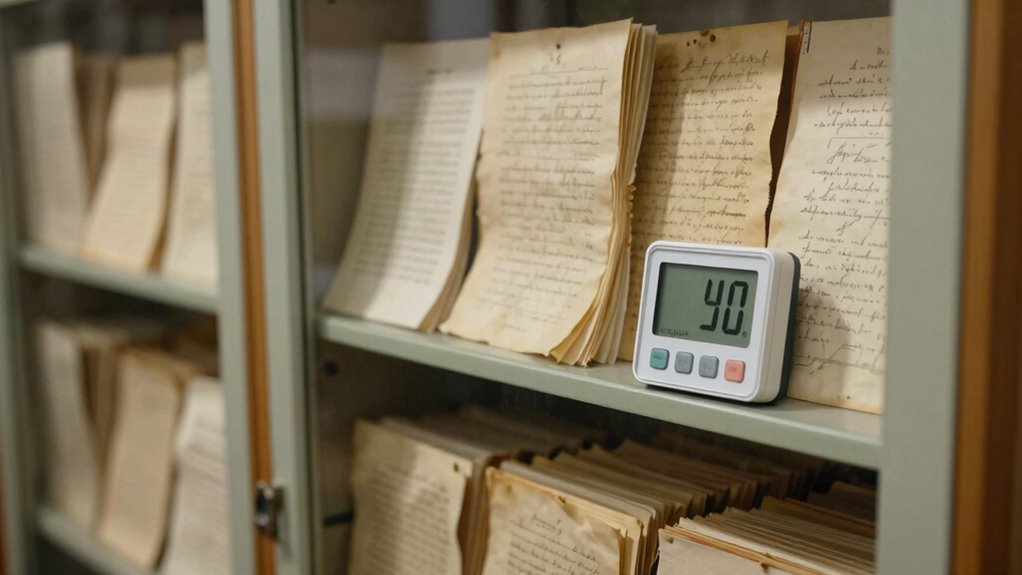

Maintaining proper humidity levels is essential for protecting your paper collections from damage like warping, mold, or brittleness. Fluctuations can quickly cause long-term harm, so using environmental sensors and dehumidification systems helps you monitor and control moisture precisely. With automatic adjustments, you create a stable environment that extends your collection’s life and preserves its value. Keep exploring to discover how these tools work together to keep your collections safe and sound.

Get business pricing on monitors, keyboards and dev gear
- Business-only prices and quantity discounts
- Tax-exempt purchasing
- Multiple users, one account, clear invoices
Key Takeaways
- Proper humidity levels prevent paper warping, brittleness, and mold growth, safeguarding collection integrity.
- Environmental sensors enable real-time monitoring and immediate alerts for optimal moisture management.
- Dehumidification systems actively maintain consistent, ideal humidity, reducing manual effort and environmental fluctuations.
- Strategic placement of sensors and equipment ensures uniform climate control throughout storage areas.
- Consistent humidity control extends paper lifespan, reduces repair costs, and preserves long-term collection value.
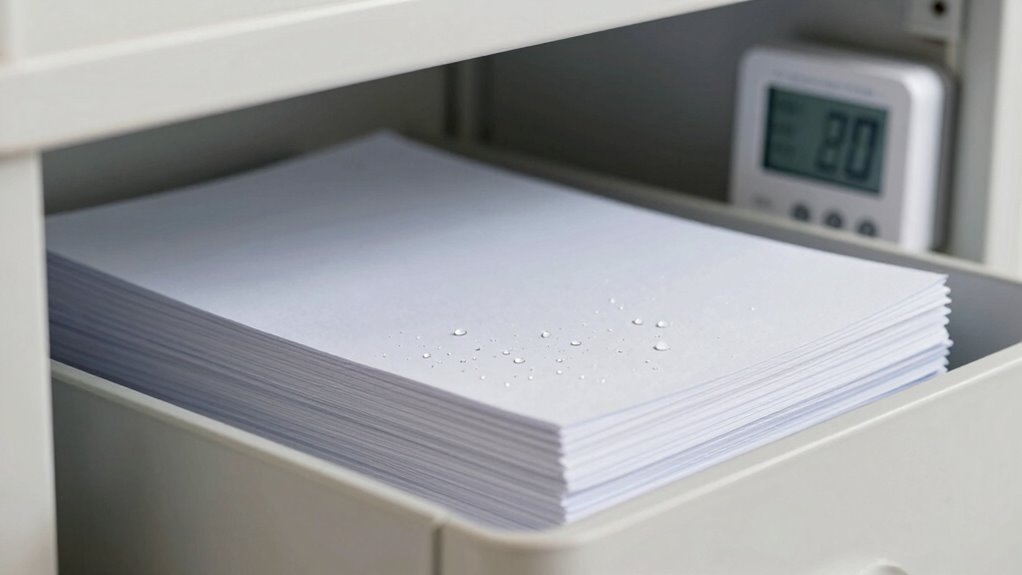
Maintaining proper humidity levels is crucial for preserving paper’s integrity and preventing damage. When you’re storing valuable documents, artwork, or archival materials, fluctuations in humidity can cause warping, mold growth, or brittleness. That’s why monitoring and controlling humidity isn’t optional—it’s a critical part of protecting your collection over time. Using environmental sensors allows you to keep a close eye on moisture levels in real-time, providing accurate data that helps you make informed decisions. These sensors can detect even small changes in humidity, alerting you immediately if conditions drift outside of the ideal range. This way, you can respond swiftly before any damage occurs, ensuring your paper remains in excellent condition. Implementing proper humidity control techniques further enhances your preservation efforts and minimizes risks.
Monitoring humidity ensures your paper remains protected and in top condition over time.
To effectively maintain stable humidity, dehumidification systems are essential. These systems actively remove excess moisture from the environment, creating a controlled atmosphere conducive to paper preservation. Modern dehumidifiers are designed to operate quietly and efficiently, making them suitable for various storage settings. When paired with environmental sensors, they form a reliable system that automatically adjusts to changing conditions, preventing humidity swings that could harm your collection. This automation reduces the need for manual intervention and ensures consistent preservation conditions without constant oversight. Proper placement of environmental sensors and dehumidifiers within your storage space is also vital for optimal performance, ensuring comprehensive coverage and uniform moisture control. Additionally, understanding the ideal humidity range for paper storage helps you set your systems effectively and avoid unnecessary fluctuations.
Implementing a thorough humidity control system isn’t just about installing equipment; it’s about creating a proactive approach to preservation. With the right combination of environmental sensors and dehumidification systems, you gain control over your environment, reducing risks associated with excess moisture. This approach extends the lifespan of your paper materials and helps you avoid costly repairs or replacements down the line. Proper humidity regulation is fundamental for long-term preservation, maintaining the condition of your collection. Ultimately, investing in proper humidity control demonstrates your commitment to preserving your collection’s value and integrity, ensuring that your documents, artwork, or archival items remain stable and protected for years to come.
Products Worth Considering

LG UltraGear 32GS60QC-B 32-inch Curved QHD Gaming Monitor (180Hz, 1ms, 1000R, AMD FreeSync, HDR10)

LG UltraGear 32GX850A-B 32-inch 4K UHD Glossy OLED Gaming Monitor

Samsung Galaxy Tab A11+ 11-Inch Tablet, 6GB RAM, 128GB Storage, Expandable, Gray
As an affiliate, we earn on qualifying purchases.
Frequently Asked Questions
What Humidity Level Is Ideal for All Types of Paper?
You should aim for a humidity level of around 40-50% for all types of paper. This range helps prevent issues like warping, curling, or sticking, especially with coated papers. Use humidity sensors to monitor conditions accurately. Keep humidity stable to protect your paper’s coating and quality. Consistent humidity control guarantees your paper stays in ideal condition, whether it’s for archiving, printing, or preservation.
How Often Should Humidity Levels Be Checked in Storage Areas?
Think of humidity levels as the heartbeat of your storage area—you need to monitor it regularly. Check humidity at least once a week, ensuring air circulation remains steady and temperature stays consistent. These actions prevent fluctuations that can damage your paper. Regular checks help catch problems early, keeping your collection in top shape. Don’t let unpredictable changes catch you off guard—make monitoring a routine part of your maintenance.
Can Dehumidifiers Damage Delicate Papers?
Dehumidifier risks to delicate paper are minimal if you choose the right unit and set it properly. Modern dehumidifiers regulate humidity without causing direct damage, but overly aggressive settings can lead to dryness and brittleness. To protect delicate paper, avoid high dehumidification levels and monitor humidity regularly. Properly maintained, a dehumidifier helps preserve paper quality without risking damage, making it an essential tool in storage environments.
What Are the Signs of Improper Humidity in Paper Storage?
You notice pages curling, sticking together, or developing stains—that’s a clear sign of improper humidity. Like a sponge left out to dry unevenly, paper deterioration occurs when moisture levels fluctuate, causing warping or brittleness. Mold growth might appear as fuzzy spots or a musty odor, indicating excess humidity. These signs warn you that maintaining consistent humidity is essential to protect your delicate papers from damage and decay.
How Do Climate Changes Affect Paper Preservation?
Climate changes can markedly impact paper preservation by causing fluctuations in temperature and humidity levels. You need environmental sensors to monitor these shifts accurately and maintain stable conditions. Proper air circulation helps prevent mold growth, warping, and deterioration caused by excess moisture or dryness. By staying vigilant with sensors and ensuring good airflow, you protect your paper collection from the damaging effects of changing environmental conditions.
Conclusion
Think of your paper collection as a delicate garden, where every leaf and petal depends on the right climate to flourish. Without proper humidity control, it’s like leaving your garden exposed to harsh winds and relentless drought—your treasured papers will wither and fade. By maintaining ideal conditions, you’re tending to this garden with care, ensuring each sheet remains vibrant, resilient, and alive for years to come. Protect your precious collection; nurture it like a flourishing paradise.