

📊 Full opportunity report: Memory Stopped Being a Commodity on ThorstenMeyerAI.com — validation score, market gap, and execution plan.
TL;DR
Micron announced long-term contracts covering 20% of its memory output, with customers pre-paying billions. This signals a shift from memory as a volatile commodity to a pre-funded, strategic resource, impacting industry pricing and supply strategies.
Micron has revealed that it has entered into 16 long-term, take-or-pay contracts that lock in approximately $100 billion in revenue through 2030, with customers paying upfront. This marks a significant shift in the industry, as memory is no longer bought on spot markets but is pre-funded and strategically contracted, affecting supply, pricing, and industry dynamics.
In its record June quarter, Micron disclosed that these contracts cover about 20% of its DRAM volume and roughly a third of its NAND production over the period. The agreements are mostly five-year deals, running from 2026 to 2030, with automotive deals lasting three years. They are structured as take-or-pay commitments, meaning customers agree to buy a set volume or pay for it regardless, providing Micron with predictable revenue streams.
The pricing structure includes a price band with a ceiling near current market prices and a floor ensuring Micron’s gross margin remains above previous cycle peaks, effectively insuring the company against market crashes. Notably, customers have paid approximately $22 billion upfront in deposits and commitments, which Micron holds on its balance sheet and returns later, effectively pre-funding capacity. This reverses the traditional industry risk dynamic, with buyers now financing capacity before production.
Micron’s latest quarter was its strongest ever, with revenue of $41.5 billion, a gross margin of 84.9%, and free cash flow of $18.3 billion. The company projects continued growth, with next quarter guidance at $50 billion in revenue and an 86% gross margin. The ramp-up of high-bandwidth memory for AI applications is accelerating, further boosting revenue prospects.
Memory stopped being a commodity
Micron just locked up a fifth of its DRAM and a third of its NAND through 2030 with binding take-or-pay contracts — and collected $22 billion in deposits from the customers, up front. The boom-bust cycle that always brought cheap RAM back is being contracted away.
A dream deal for Micron — near-peak prices, margin floors above any past peak, customer-funded fabs. Insurance for the buyers who signed — real protection against a real shortage, bought dear. And for everyone else, a forecast: don’t expect cheap memory back soon. The structure is also a large, leveraged bet on AI demand holding to 2030 — and floors get tested in a genuine downturn. The contracts run to 2030; the test arrives sooner.
Implications of Memory Contracting as a Strategic Asset
This shift indicates that memory is transitioning from a commodity to a strategic, pre-funded resource, fundamentally altering supply chain and pricing dynamics. Buyers, including hyperscalers and device makers, are now locking in capacity at near-peak prices, effectively hedging against future shortages and price crashes. For Micron, this provides predictable revenue and margin stability, reducing exposure to cyclical downturns. However, it also consolidates industry power among large buyers and could lead to less price volatility but also reduced flexibility for smaller players and spot market participants.

CORSAIR Vengeance LPX DDR4 RAM 32GB (2x16GB) Up to 3200MHz CL16-20-20-38 1.35V Intel XMP AMD EXPO Computer Memory – Black (CMK32GX4M2E3200C16)
- Maximum Speed Note: Requires overclocking and BIOS adjustments
- High Performance Chips: Hand-sorted for overclocking potential
- Wide Compatibility: Optimized for Intel and AMD DDR4 motherboards
As an affiliate, we earn on qualifying purchases.
As an affiliate, we earn on qualifying purchases.
Historical Industry Cycles and the Shift to Contracted Memory Supply
For decades, the memory industry experienced predictable boom-and-bust cycles driven by supply gluts and shortages, with prices falling sharply during downturns and surging during shortages. Traditionally, manufacturers bore the risk of capacity investments, while buyers waited for prices to fall before purchasing. Recent developments, including Micron’s new contracts, suggest a move toward pre-funded, long-term agreements that lock in capacity and prices, effectively bypassing the cyclical nature of the market. This follows a period of industry consolidation and strategic realignment, with companies seeking stable revenue streams amid volatile demand, especially driven by AI and data center growth.
“These agreements provide us with unprecedented revenue predictability and margin stability, protecting us against market downturns.”
— Micron CFO

SANDISK 2TB Extreme Portable SSD (Old Model) – Up to 1050MB/s, USB-C, USB 3.2 Gen 2, IP65 Water and Dust Resistance, Updated Firmware – External Solid State Drive – SDSSDE61-2T00-G25
- High-speed NVMe Performance: Up to 1050MB/s read, 1000MB/s write
- Durable and Water-resistant: IP65 rated, 3-meter drop protection
- Portable and Secure: Includes carabiner loop for attachment
As an affiliate, we earn on qualifying purchases.
As an affiliate, we earn on qualifying purchases.
Unconfirmed Aspects of Long-Term Industry Impact
It is still unclear how widespread this contracting model will become across the industry, as Micron’s agreements currently cover only about 20% of its DRAM and a third of NAND. The long-term effects on market prices, smaller players, and spot market liquidity remain uncertain. Additionally, the extent to which other memory manufacturers will adopt similar strategies is not yet known. Analysts caution that these contracts may not fully eliminate industry cyclicality but could significantly alter its characteristics.

Yahboom Jetson Orin Nano 8GB Super Development Board
- AI Performance: 34/67 TOPS for AI tasks
- GPU Architecture: 1024-core Ampere GPU with Tensor Cores
- Processor: 6-core Arm Cortex-A78AE CPU
As an affiliate, we earn on qualifying purchases.
As an affiliate, we earn on qualifying purchases.
Future Market Developments and Industry Adoption
Next steps include monitoring how other industry players respond—whether they adopt similar long-term contracting strategies or resist. Micron will likely expand these agreements, aiming to cover more of its output, potentially influencing global memory pricing and supply stability. Market participants will watch for shifts in spot market activity, supply-demand balance, and the emergence of new contractual norms in the memory industry. Regulatory and competitive responses may also follow as the industry adjusts to this strategic realignment.
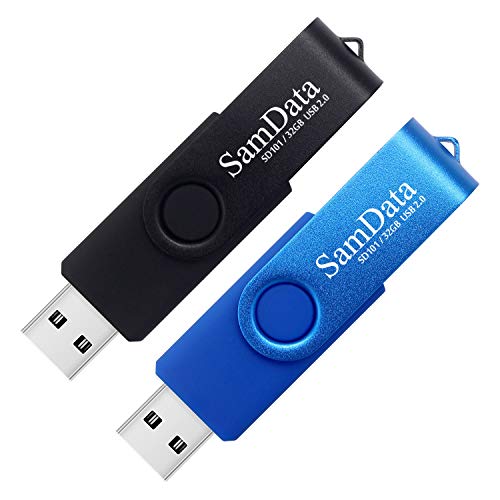
SamData 32GB USB Flash Drives 2 Pack 32GB Thumb Drives Memory Stick Jump Drive with LED Light for Storage and Backup (2 Colors: Black Blue)
- Package Includes: 2 USB 2.0 flash drives in different colors
- Easy to Use: Plug and play, no software needed
- Durable Design: Capless with rotating metal clip for protection
As an affiliate, we earn on qualifying purchases.
As an affiliate, we earn on qualifying purchases.
Key Questions
What does it mean that memory is no longer a commodity?
This means memory is now being purchased through long-term, pre-paid contracts rather than spot market transactions, making it more like a strategic resource than a fluctuating commodity.
How will these contracts affect memory prices?
They could stabilize prices at higher levels for Micron and large buyers, reducing volatility but possibly limiting price drops during downturns.
Who are the main buyers involved in these contracts?
Major hyperscalers, AI infrastructure operators, and large device manufacturers are the primary participants, securing supply at near-peak prices.
Will this change industry dynamics permanently?
It is uncertain, but it signals a move toward more strategic, long-term supply agreements that could reshape how memory is bought and sold in the future.
What risks remain for Micron and its customers?
For Micron, reliance on large upfront deposits could impact liquidity if demand weakens unexpectedly. Customers risk paying for capacity they may not need if AI demand slows.
Source: ThorstenMeyerAI.com