
To operate industrial cutting and printing equipment safely, start with thorough pre-use inspections to check calibration, guards, and electrical safety. Always wear appropriate PPE like safety glasses and gloves, and follow manufacturer guidelines precisely. Keep your workspace clean and organized to prevent accidents. Practice lockout/tagout procedures during maintenance and stay alert, avoiding distractions. With proper training and continuous safety awareness, you can reduce risks effectively—continuing this guide will reveal even more essential safety tips.
Key Takeaways
- Conduct thorough equipment inspections and follow manufacturer guidelines before operation.
- Always wear appropriate PPE and keep the workspace organized for safety.
- Follow lockout/tagout procedures during maintenance to prevent accidental energization.
- Stay alert, avoid distractions, and take regular breaks to maintain focus.
- Perform routine maintenance, inspections, and participate in ongoing safety training.
Conducting Proper Equipment Inspections Before Use
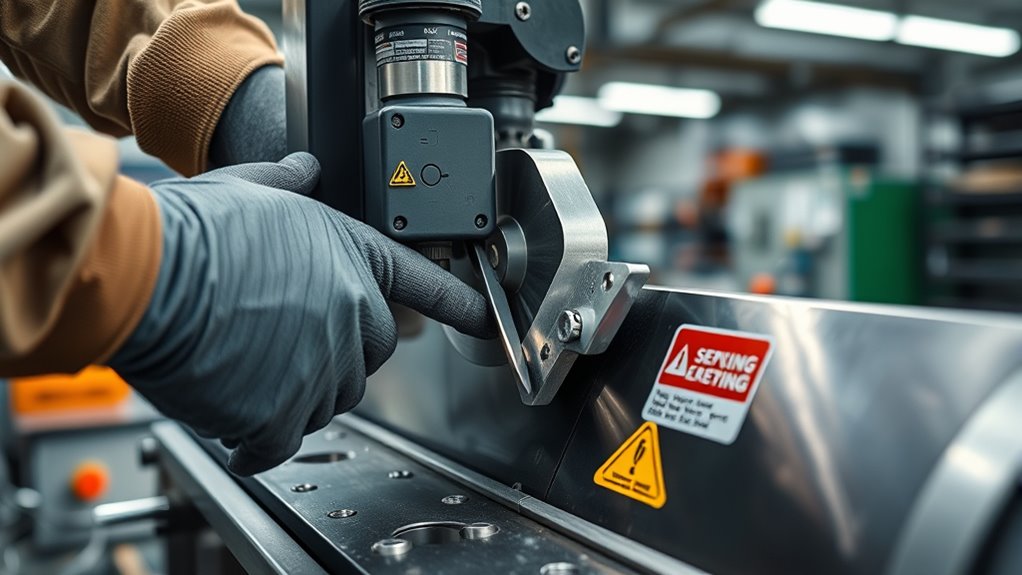
Before operating industrial cutting and printing equipment, you need to conduct thorough inspections to guarantee safety and proper functioning. Begin by checking equipment calibration to ensure machines operate within specified parameters, preventing errors or accidents. Accurate calibration minimizes risks caused by misaligned parts or faulty settings. Next, focus on hazard identification—look for any signs of damage, worn parts, or leaks that could pose safety risks. Verify that safety guards are in place and functioning correctly. Inspect electrical connections and emergency stop buttons to confirm they work properly. By systematically evaluating calibration and identifying potential hazards, you reduce the likelihood of malfunctions or accidents, keeping the workspace safe and equipment running efficiently. Proper inspections are your first line of defense against operational failures. Additionally, staying informed about industry transformations like AI automation can help anticipate future safety protocols and equipment updates. Incorporating regular maintenance checks can further enhance safety and extend the lifespan of your machinery. Furthermore, understanding advanced safety features can provide additional layers of protection during operation. Developing a comprehensive safety culture and encouraging ongoing staff training on safety protocols can significantly reduce workplace injuries and improve overall safety standards. Regularly reviewing safety procedures and protective equipment usage ensures compliance and minimizes workplace injuries.
Using Personal Protective Equipment Effectively
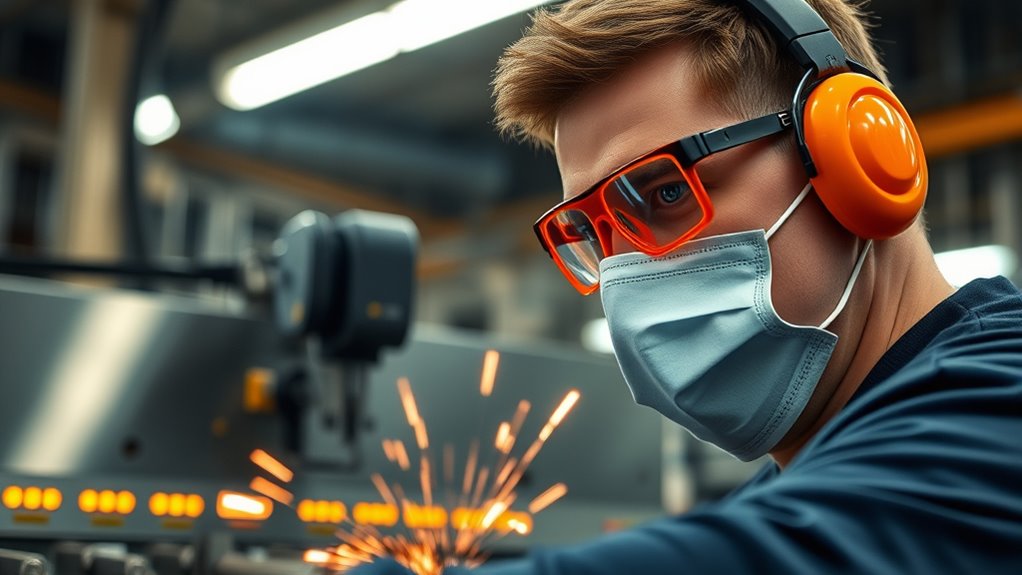
Using personal protective equipment (PPE) effectively is essential to safeguard yourself from potential hazards during operation. To do this, always wear the appropriate PPE for the task, such as safety glasses, gloves, ear protection, and respiratory masks. Follow PPE best practices by inspecting your gear before each use to verify it’s in good condition—no tears, cracks, or wear. Make sure your PPE fits properly; ill-fitting equipment reduces protection and comfort. Keep your PPE clean and stored correctly to maintain its effectiveness. Remember, wearing PPE is not optional—it’s a critical safety measure. By consistently adhering to PPE best practices, you reduce your risk of injury and create a safer working environment during industrial cutting and printing operations. Additionally, staying informed about AI-driven safety innovations can further enhance protective measures in industrial settings. Regularly update your knowledge about personal protective equipment to ensure you are using the most effective gear for your tasks, including understanding the latest advancements in PPE technology to improve safety efficiency. For example, incorporating innovative PPE can significantly improve comfort and protection levels on the job. Moreover, understanding the importance of fitting and maintenance helps extend the lifespan and performance of your PPE, ensuring optimal safety at all times.
Understanding and Following Manufacturer Guidelines
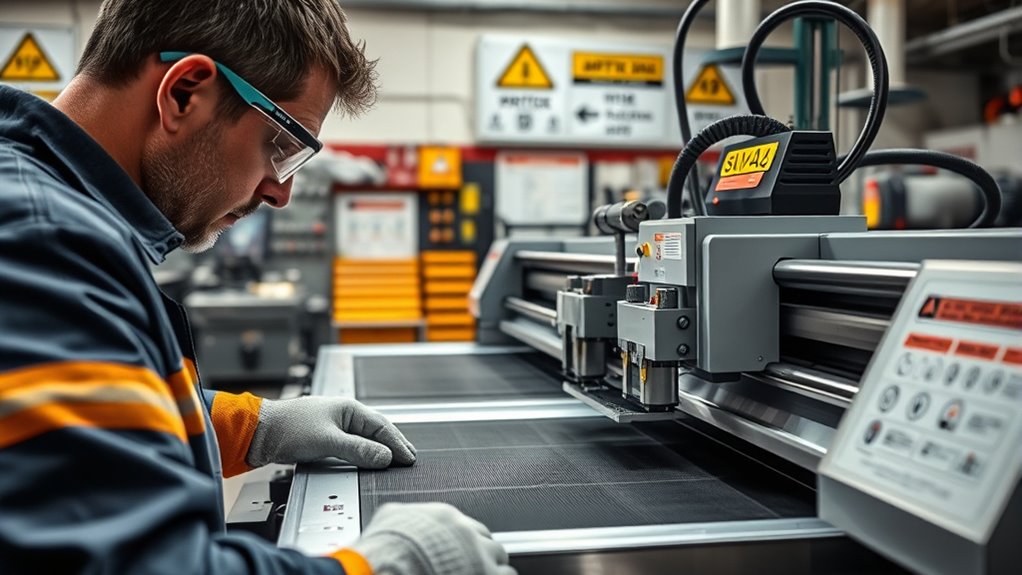
You need to read the manual carefully to understand how your equipment operates safely. Following the recommended maintenance schedules guarantees the machine stays in peak condition and prevents accidents. Always use the correct operating procedures to minimize risks and keep your workspace safe. Additionally, maintaining a clean and organized environment incorporates natural materials and reduces hazards associated with clutter or debris. Recognizing the importance of attention to detail can also help foster a safer and more attentive work environment by promoting awareness of safety protocols among staff. Being aware of toilet flushing mechanisms can prevent water waste and potential plumbing issues in maintenance areas.
Read the Manual Carefully
Reading the manual carefully is vital for safe operation because it provides essential instructions specific to your equipment. It guides you through proper setup, operation, and safety precautions, including how to perform equipment calibration correctly. Understanding these details helps prevent malfunctions and accidents. Pay close attention to safety signage and warnings in the manual, as they highlight potential hazards. Following the manufacturer’s guidelines guarantees you use the equipment as intended, reducing risks of injury or damage. Familiarize yourself with the recommended procedures and safety features described in the manual before starting work. This knowledge empowers you to operate the machinery confidently and responsibly, helping maintain a safe work environment for everyone involved. Additionally, participating in internal company hackathons can foster a culture of safety and innovation by encouraging team collaboration on safety solutions and process improvements. Recognizing the importance of auditory processing skills can also support team communication in noisy work environments, further enhancing safety. A thorough understanding of self watering plant pots and their mechanisms can serve as a useful analogy when considering safety procedures for complex equipment, emphasizing the importance of proper maintenance and monitoring. Moreover, understanding family photo mishaps and how they are managed can improve preparedness for unpredictable on-site situations.
Follow Maintenance Schedules
By adhering to the manufacturer’s recommended maintenance schedules, you guarantee that your equipment remains in peak working condition. Regular maintenance ensures proper equipment calibration, reducing errors and safety risks. Follow the schedule for tasks like inspecting safety signage, cleaning components, and replacing worn parts. Staying on top of maintenance also helps identify issues early before they escalate. Use this table to keep track of essential tasks:
| Maintenance Task | Frequency |
|---|---|
| Check safety signage | Weekly |
| Perform equipment calibration | Monthly |
| Inspect blades and rollers | Bi-weekly |
| Lubricate moving parts | Monthly |
| Clean and replace filters | Quarterly |
Implementing preventive measures can significantly enhance safety and efficiency. Additionally, understanding security zone info can help in safeguarding your equipment from theft or vandalism. Proper training and procedures are essential for safe operation and compliance with safety regulations. Regularly reviewing maintenance guidelines ensures adherence to best practices, minimizing downtime and safety hazards. Following these guidelines minimizes downtime, maintains safety, and prolongs your equipment’s lifespan.
Use Correct Operating Procedures
Following the manufacturer’s guidelines is essential for operating industrial cutting and printing equipment safely and effectively. Always confirm proper machine calibration before use to prevent errors and safety risks. Familiarize yourself with safety signage around the equipment, as it highlights hazards and necessary precautions. Carefully read the user manual to understand the correct operating procedures, including startup, operation, and shutdown steps. Adhering to these procedures minimizes the chance of accidents or damage. Never bypass safety features or ignore warning signs. Consistently follow recommended settings and procedures to maintain peak performance and safety. By understanding and respecting manufacturer instructions, you reduce risks and ensure a safer working environment. Proper training and attention to guidelines are key to safe operation of industrial equipment.
Maintaining a Safe Workspace Environment

Keeping your workspace clean and organized is essential for safety. Make sure the area around the equipment is clear of clutter and obstructions. Always wear the proper safety gear to protect yourself from potential hazards.
Clear Work Area
A cluttered work area can lead to accidents and slow down your workflow when operating industrial cutting and printing equipment. Keeping your work area clear is essential for safety and efficiency. Proper clutter management minimizes tripping hazards, prevents equipment damage, and ensures you can respond quickly to emergencies. Regularly organize tools, materials, and waste, and remove unnecessary items from your workspace. Designate specific storage spots for all supplies to maintain order. Clear pathways allow for smooth movement and quick access to emergency exits or safety equipment. By maintaining a tidy work environment, you reduce distractions and create a safer, more productive setting. Remember, a clean work area isn’t just about appearance—it’s a crucial part of safe equipment operation.
Proper Safety Gear
Wearing the proper safety gear is essential for maintaining a safe workspace environment when operating industrial cutting and printing equipment. Your safety gear, including protective clothing, helps prevent injuries from sharp tools, flying debris, or hot surfaces. Always wear gloves, safety glasses, and steel-toed boots to safeguard against common hazards. Protective clothing such as long sleeves and aprons shields your skin from splashes, burns, or cuts. Verify your safety gear fits correctly and is in good condition before starting work. Using the right safety gear minimizes risks and keeps you focused on your task. Remember, proper protective clothing isn’t an option—it’s a critical part of your safety procedure. Prioritize your safety by consistently wearing the appropriate gear during operation.
Implementing Lockout/Tagout Procedures

Implementing lockout/tagout procedures is essential for guaranteeing safety when operating industrial cutting and printing equipment. These procedures help prevent accidental energization, protecting you and your team. To ensure effective equipment safety compliance, follow these steps:
- Identify all energy sources connected to the equipment.
- Notify everyone in the area before starting lockout/tagout.
- Shut down the equipment using proper procedures.
- Apply lockout/tagout devices to isolate energy sources securely.
Staying Alert and Avoiding Distractions During Operation

Staying alert and avoiding distractions while operating industrial cutting and printing equipment is essential for maintaining safety and preventing accidents. Focus fatigue can impair your judgment and slow your reaction time, so take regular breaks to stay sharp. Manage distractions by keeping your workspace organized and minimizing noise or interruptions. Avoid multitasking, as it divides your attention and increases the risk of errors. If you notice your focus waning, pause briefly to reset and regain concentration. Concentrating fully on the task helps you detect potential hazards early and operate equipment safely. Remember, distraction management isn’t just about avoiding interruptions; it’s about actively maintaining your mental clarity to ensure safe, effective operation at all times.
Proper Training and Skill Development for Operators
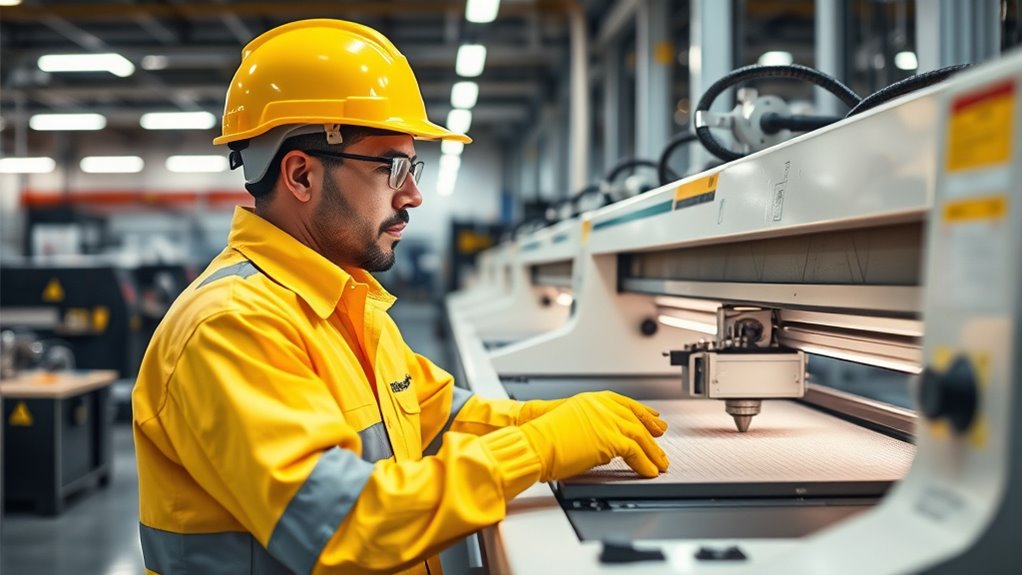
Proper training and ongoing skill development are fundamental to safe operation of industrial cutting and printing equipment. Ensuring you have the right operator certification is essential for understanding safety protocols and equipment functions. To enhance your skills, consider these steps:
- Attend certified training programs focused on specific machinery.
- Regularly update your knowledge through refresher courses.
- Practice operating equipment under supervision to refine techniques.
- Seek opportunities for skill enhancement through advanced workshops.
Managing Material Handling Safely
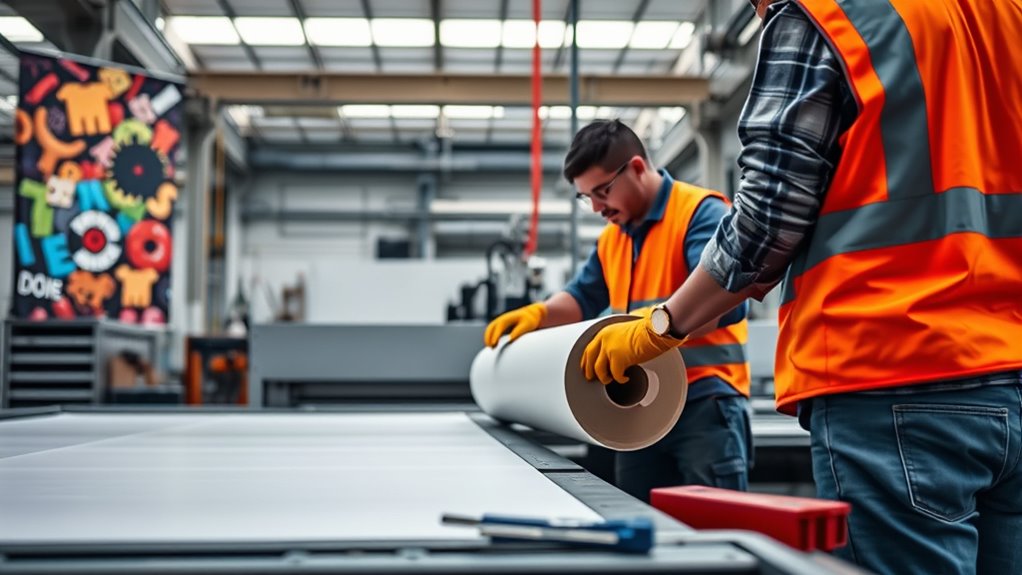
Effective material handling is essential to maintaining safety around industrial cutting and printing equipment. You must identify hazards like sharp edges, heavy loads, or unstable stacks before moving materials. Proper hazard identification helps prevent accidents and injuries. Pay attention to ergonomic considerations by using equipment such as carts, dollies, or lifts to reduce strain and fatigue. Always lift with your legs, keep loads close to your body, and avoid twisting your spine. Plan your route to keep clear pathways and prevent trips or falls. Use team lifting for heavy or awkward items, and ensure loads are secure before transport. Staying alert to potential hazards and applying ergonomic best practices minimizes risks, keeping you and your coworkers safe during material handling tasks.
Responding Quickly and Correctly to Emergency Situations

Being prepared to respond quickly and correctly to emergency situations can prevent injuries and minimize damage when accidents occur. Familiarize yourself with fire alarm protocols so you know exactly what steps to take. Make certain emergency communication channels are clear and accessible at all times. When an emergency arises:
- Activate the fire alarm and alert others immediately.
- Follow established evacuation procedures swiftly and calmly.
- Use designated emergency communication methods to report hazards.
- Assist others if it’s safe, and avoid re-entering dangerous areas until authorized.
Practicing these steps ensures a coordinated response, reducing chaos during critical moments. Staying aware of fire alarm protocols and maintaining clear emergency communication can make all the difference in protecting lives and equipment during emergencies.
Frequently Asked Questions
How Often Should Equipment Inspections Be Performed?
You should perform equipment inspections regularly to guarantee ideal operation and safety. The inspection frequency depends on the manufacturer’s guidelines and your usage intensity, but generally, weekly or monthly checks are recommended. Incorporate these inspections into your maintenance scheduling to catch issues early. Consistent inspections help prevent breakdowns, extend equipment life, and maintain productivity, making them an essential part of your operational routine.
What Specific PPE Is Recommended for Different Machine Types?
You should always use machine-specific PPE tailored to each equipment type. For cutting machines, wear cut-resistant gloves, eye protection, and hearing protection. Printing equipment requires gloves to handle inks safely and eye protection from splashes. Always assess the risks involved with each machine and select appropriate personal protective equipment accordingly. This approach minimizes injuries and ensures safe operation, keeping you protected during all tasks.
How Do I Identify Manufacturer Guideline Updates?
Oh, tracking manufacturer updates? It’s a breeze—if you enjoy chasing down elusive info. Just regularly check the manufacturer’s website or subscribe to their newsletters for direct updates. Review any official communication for changes in guidelines, and guarantee you follow them to maintain guideline adherence. Ignoring these updates risks safety and compliance, so stay vigilant and proactive—your equipment and team depend on it.
What Are Signs of Potential Workspace Hazards?
You should watch for signs of potential workspace hazards, such as exposed wiring, leaks, or clutter that can cause trips. Conduct regular hazard identification and risk assessment to spot unsafe conditions early. Pay attention to unusual noises or smells, which might indicate equipment issues. Staying alert and proactive helps you recognize hazards before they cause accidents, ensuring a safer environment for everyone working around industrial cutting and printing equipment.
How Can I Effectively Communicate During Emergencies?
During emergencies, you should rely on clear emergency signals and follow your communication plan to guarantee everyone stays informed. Use loud, distinct signals like alarms or hand gestures, and speak calmly but firmly. Make sure your team knows the communication plan ahead of time, so you can coordinate quickly and efficiently. Staying calm, using proper signals, and following established procedures help prevent confusion and ensure a safe, swift response.
Conclusion
By prioritizing safety, you protect yourself and others. Imagine a worker who skips a quick inspection and faces a preventable injury—that’s a risk you don’t want to take. Always follow proper procedures, wear your protective gear, and stay alert. When you operate equipment with care and awareness, you create a safer workplace for everyone. Remember, safety isn’t just a rule; it’s your responsibility to prevent accidents and save lives.