TL;DR
The EU now requires all new vehicles to be equipped with an interface for breathalyzer devices, aiming to cut alcohol-related traffic deaths by at least 50% by 2030. The regulation is part of broader safety measures.
Starting July 1, all vehicles sold within the European Union must be equipped with a preinstalled interface to connect breathalyzer devices, a measure aimed at reducing drunk-driving-related fatalities.
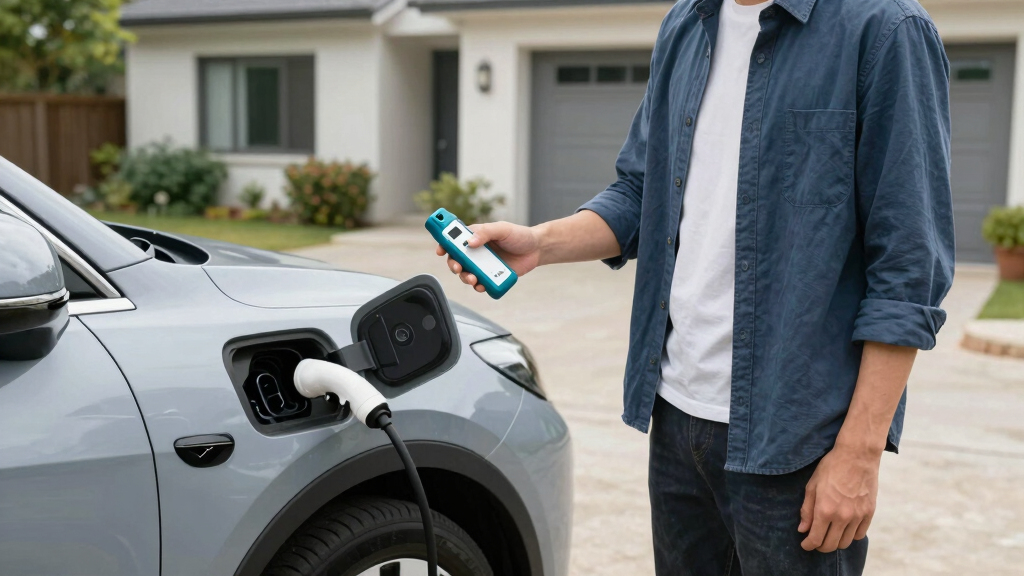
The regulation, part of the EU’s Vision Zero initiative, requires automakers to include an electrical connection and designated space inside vehicles for installing alcohol ignition interlock devices, known as alcolocks. These devices, which must meet European standard EN 50436, measure the driver’s breath alcohol level before starting the vehicle. If the result exceeds the legal limit, the system automatically prevents the vehicle from starting.
The requirement applies to all new vehicles sold in the EU, aligning with existing safety mandates such as intelligent speed assistance, emergency lane keeping, and event data recorders. The regulation aims to significantly reduce alcohol-related traffic incidents, with official estimates suggesting up to a 65% reduction in fatal accidents associated with alcohol consumption.
Currently, alcolock devices are used in several European countries for repeat offenders or professional drivers, but the new regulation makes their installation a standard feature in all new vehicles. The devices must be certified and compliant with European standards, and the interface must be integrated into the vehicle’s electrical system.
Why It Matters
This regulation marks a major step in the EU’s comprehensive approach to road safety, aiming to eliminate or drastically reduce alcohol-related traffic fatalities by 2050. For consumers, it represents a shift towards safer driving technology becoming a standard feature, potentially influencing vehicle design and insurance policies. For policymakers and safety advocates, it underscores a commitment to leveraging technology to prevent accidents and save lives.

Breathalyzer Alcohol Tester – Portable BAC Device with Digital Display, Includes 20 Mouthpieces, Accurate Personal Breathalyzer for Party, Driving, and Safety, Compact, Easy to Use
Enhanced Dual-Sensor Technology: This breathalyzer features advanced dual-sensor technology, combining an air-pressure sensor with a semiconductor sensor to…
As an affiliate, we earn on qualifying purchases.
As an affiliate, we earn on qualifying purchases.
Background
The EU’s road safety program has progressively incorporated advanced vehicle safety features since 2018, including intelligent speed assistance, lane keeping aids, and event data recorders. The July 2024 mandate for breathalyzer interfaces extends this trend, emphasizing preventative measures against impaired driving. The regulation is part of the broader Vision Zero strategy, which aims for zero traffic fatalities related to alcohol by 2050.
“This regulation is a critical step toward making our roads safer and reducing alcohol-related accidents across the EU.”
— European Commission spokesperson
“Manufacturers will need to adapt quickly to meet these standards, which could influence vehicle design and costs in the short term.”
— Automotive industry analyst
alcohol ignition interlock system
As an affiliate, we earn on qualifying purchases.
As an affiliate, we earn on qualifying purchases.
What Remains Unclear
It is not yet clear how quickly automakers will fully implement the interface in their vehicles or how consumers will respond to these safety features. Additionally, the effectiveness of widespread breathalyzer integration in reducing drunk-driving incidents remains to be evaluated over time.

CheckBAC Drive – Voluntary Vehicle Ignition Interlock – Smartphone App – Handheld Breathalyzer – with Think Twice Support
$35.00 per month subscription, cancel any time with no contract. Includes all reporting, features, and options.
As an affiliate, we earn on qualifying purchases.
As an affiliate, we earn on qualifying purchases.
What’s Next
Manufacturers are expected to complete the integration of breathalyzer interfaces in all new vehicles sold in the EU by July 1, 2024. Monitoring of compliance and effectiveness will likely follow, along with possible updates or expansions of the regulation based on initial outcomes.

BACtrack Element Breathalyzer | Professional-Grade Accuracy | DOT & NHTSA Compliant | Portable BAC Alcohol Tester for Personal & Home Use
PRO-GRADE ACCURACY – Powered by BACtrack's platinum-based Xtend Fuel Cell Sensor, the Element utilizes the same professional-grade technology…
As an affiliate, we earn on qualifying purchases.
As an affiliate, we earn on qualifying purchases.
Key Questions
Will existing vehicles be retrofitted with breathalyzer interfaces?
No, the regulation applies only to new vehicles sold after July 1, 2024. Retrofitting older vehicles is not mandated at this time.
How will the breathalyzer devices be installed and used?
The devices must be connected to the vehicle’s electrical system and require the driver to blow into a breath sample before starting the engine. If alcohol levels exceed the legal limit, the system prevents the vehicle from starting.
Could this regulation affect vehicle prices?
Potentially, as the integration of new safety features may increase manufacturing costs. However, the long-term safety benefits are considered to outweigh these costs.
Are these devices mandatory for all drivers?
While the devices are required in new vehicles, their use is primarily intended as a safety feature for preventing drunk driving, not as a mandatory device for drivers outside of the vehicle’s design.
Source: WIRED