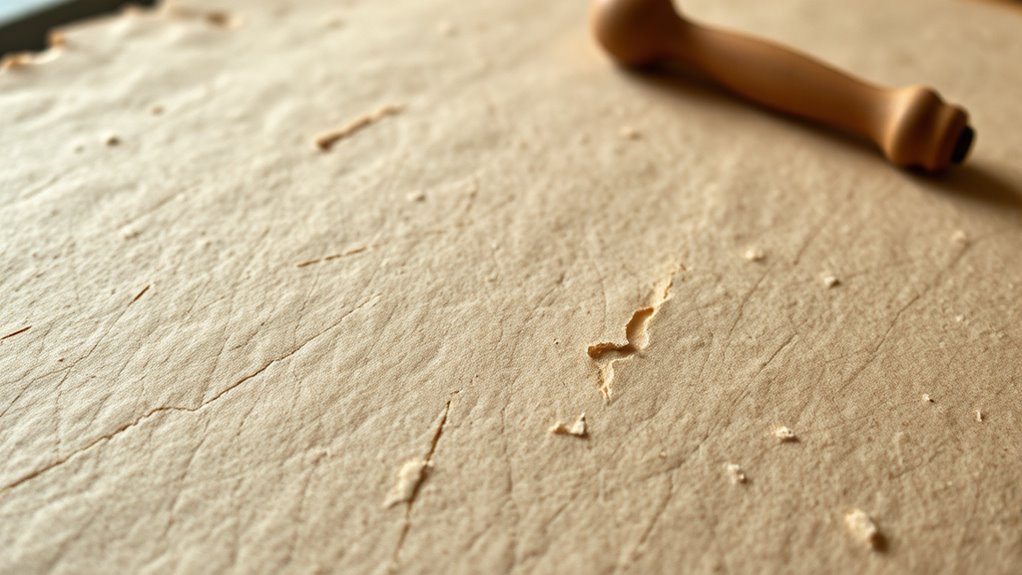

Wood pulp paper was invented through chemical and mechanical pulping processes that turn wood fibers into usable pulp. Its invention revolutionized the paper industry by enabling mass production of affordable, versatile paper for printing, packaging, and daily use. Over time, it became the dominant material globally due to its cost-effectiveness and availability. While significant environmental concerns exist, improvements in sustainable practices keep the industry evolving. To discover how this history shaped modern paper, continue exploring the fascinating details.
Key Takeaways
- Wood pulp paper was developed through mechanical and chemical pulping processes to efficiently produce durable paper from cellulose fibers.
- Its invention in the 19th century revolutionized writing, printing, and packaging industries globally.
- The dominance of wood pulp paper grew due to its affordability, versatility, and improved quality compared to earlier materials.
- Industrial advancements increased production capacity, establishing wood pulp paper as the primary raw material in papermaking.
- Environmental concerns prompted industry innovations to balance paper demand with sustainable forestry and recycling practices.
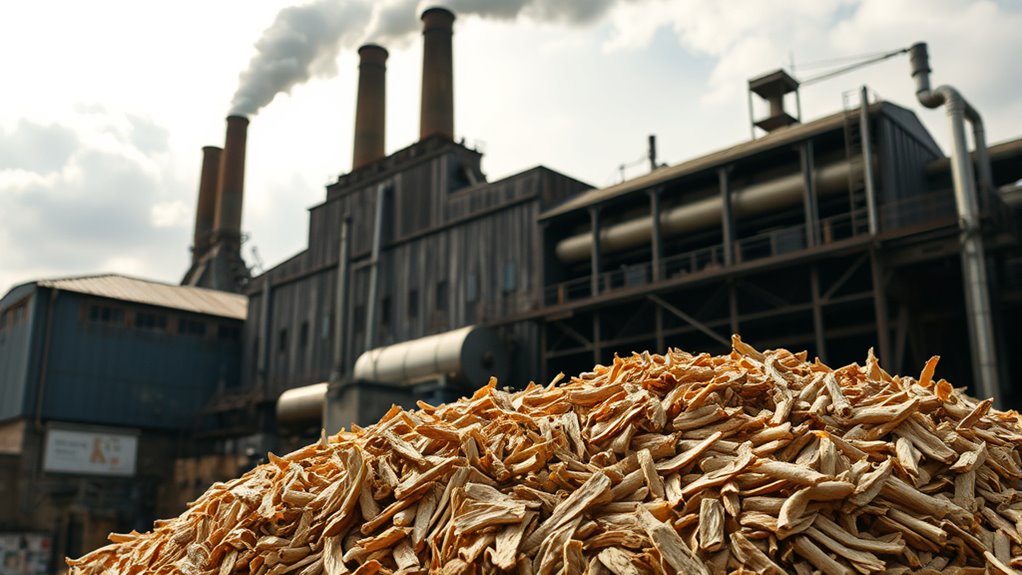
Wood pulp paper is a widely used material made from cellulose fibers derived from wood. As you consider its role in everyday life, it’s important to understand both its environmental impact and the manufacturing processes behind it. The production of wood pulp paper involves several steps, starting with harvesting trees, which raises concerns about deforestation and habitat disruption. Modern manufacturing processes aim to minimize these effects by implementing sustainable forestry practices, such as responsible logging and afforestation efforts. However, the environmental impact of producing paper remains significant, particularly in terms of water and energy consumption, as well as the generation of waste and chemical effluents.
The manufacturing processes of wood pulp paper have evolved over time to improve efficiency and reduce environmental harm. Typically, the process begins with mechanical or chemical pulping. Mechanical pulping involves grinding wood chips into pulp, which consumes large amounts of energy but produces a weaker paper. Chemical pulping, on the other hand, uses chemicals like sodium hydroxide and sodium sulfide to break down lignin and separate cellulose fibers more cleanly, resulting in higher-quality paper. Though chemical pulping is more efficient and produces a smoother, brighter product, it also involves chemicals that can cause environmental pollution if not properly managed. As a result, many mills now adopt more sustainable practices, such as recycling chemicals and reducing waste.
Efforts to lessen the environmental impact of manufacturing include using alternative fiber sources like recycled paper or fast-growing plant materials, which decrease reliance on virgin wood. Advanced bleaching techniques also help reduce the use of harmful chemicals. Despite these improvements, the overall environmental footprint of wood pulp paper remains a concern, especially when considering large-scale production. The industry faces ongoing pressure to balance demand for paper with ecological responsibility by adopting greener technologies and sustainable forestry standards.
In addition, innovations such as integrated waste management and energy recovery systems aim to make the manufacturing process more eco-friendly. These improvements not only help reduce pollution but also cut costs for producers, making the industry more sustainable in the long run. When you use paper products, understanding these processes and their environmental implications highlights the importance of supporting sustainable practices. It’s a reminder that while wood pulp paper is deeply embedded in daily life, responsible consumption and production are essential for protecting natural resources and minimizing ecological harm.

TEHAUX 100g Dewatered Pulp, Paper Making Supplies Natural Wood Pulp, Dehydrated Craft Fiber for Handmade Papermaking DIY Arts Crafts
Wood Paper Pulp: Wood paper making pulp helps children to hands-on ability and enjoy parent-child time. Experience the…
As an affiliate, we earn on qualifying purchases.
As an affiliate, we earn on qualifying purchases.
Frequently Asked Questions
What Are the Environmental Impacts of Wood Pulp Paper Production?
You should know that producing wood pulp paper can harm the environment through deforestation concerns and chemical pollution. As you use paper, forests are often cleared, risking ecosystems and biodiversity. Additionally, the process involves chemicals that can pollute water and soil if not managed properly. These impacts highlight the importance of sustainable practices and recycling to reduce environmental harm and protect natural resources.
How Does Wood Pulp Paper Compare to Recycled Paper in Quality?
You’ll find that wood pulp paper generally offers higher fiber strength and better print quality compared to recycled paper. Recycled paper sometimes has weaker fibers, which can affect durability and clarity of prints. However, recycled paper often has a smoother surface and is more eco-friendly. If you prioritize durability and crisp print results, wood pulp paper might be your best choice, but if sustainability is key, recycled paper still performs well for many uses.
What Innovations Are Emerging in Wood Pulp Paper Manufacturing?
You’ll find that emerging innovations in wood pulp paper manufacturing include biodegradable coatings, which enhance environmental friendliness and durability. Additionally, manufacturers are optimizing the paper for digital printing, allowing for sharper images and vibrant colors. These advancements make the paper more versatile, eco-friendly, and suited for modern printing needs, helping you meet sustainability goals while ensuring high-quality results for packaging, marketing, and various print applications.
Are There Sustainable Alternatives to Wood Pulp Paper?
Yes, there are sustainable alternatives to wood pulp paper. You can consider biodegradable packaging made from plant-based materials like cornstarch or mushroom mycelium, which break down naturally and reduce waste. Additionally, exploring alternative fiber sources such as hemp, bamboo, or recycled paper helps lower environmental impact. These options are eco-friendly, renewable, and support a more sustainable future for packaging and paper products.
How Has the Global Demand for Wood Pulp Paper Changed Over Time?
Imagine the world’s appetite for paper as a roaring tide—sometimes swelling, sometimes receding. You’ve seen market fluctuations and technological advancements shape it, making demand rise sharply during printing booms and dip with digital shifts. Over time, global demand has fluctuated, driven by innovations in paper production and changing consumer habits. Today, you notice a cautious steadiness, as sustainable practices and alternatives begin to temper the relentless surge of traditional wood pulp paper.

PrintWorks 100% Recycled Printer Paper 8.5" x 11" White – 20 lb Copy & Multipurpose Computer Paper – 1 Pack, 400 Sheets – Made in the USA – 92 Bright – Printer & Copier Compatible (00018)
100 percent post-consumer recycled printer paper for everyday use at an affordable price
As an affiliate, we earn on qualifying purchases.
As an affiliate, we earn on qualifying purchases.
Conclusion
You can see how wood pulp paper revolutionized the industry, making paper more affordable and accessible worldwide. Did you know that over 400 million tons of paper are produced annually, with wood pulp accounting for the majority? This remarkable shift not only transformed communication but also supported global literacy and commerce. As you appreciate its impact, remember that this invention continues to shape our world, proving that a simple idea can have lasting, widespread influence.
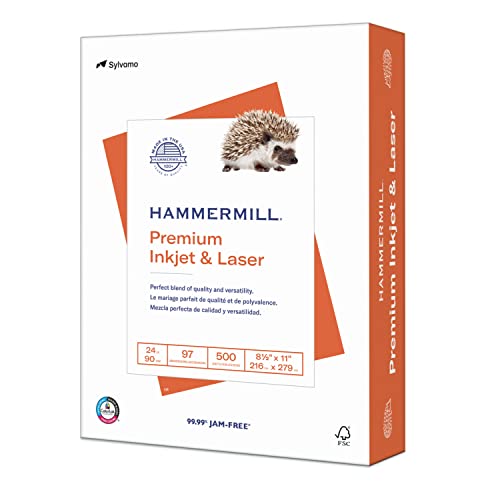
Hammermill Printer Paper, Premium Inkjet & Laser Paper 24 Lb, 8.5 x 11-1 Ream (500 Sheets) – 97 Bright, Made in the USA, 166140R
PREMIUM PRINTER PAPER – Hammermill Premium Inkjet & Laser 24lb Printer Paper is a versatile sheet that’s perfect…
As an affiliate, we earn on qualifying purchases.
As an affiliate, we earn on qualifying purchases.

Elementree Brown Packing Paper Sheets for Moving & Shipping – 250 Count (229 Feet) – 14.5" x 11" Sheet Size – Sustainable Void Fill Packaging Made in the USA – Kraft Paper Thickness (00923)
Whether you’re packing, moving, shipping, or storing, these kraft paper sheets safeguard items and fill space to prevent…
As an affiliate, we earn on qualifying purchases.
As an affiliate, we earn on qualifying purchases.