Papyrus, originating in ancient Egypt, is made from the pith of the papyrus plant, weaving strips together through simple natural methods. Paper, developed later from wood pulp or plant fibers, involves chemical and machinery processes. While papyrus offers durability and sustainable harvesting, modern paper often causes environmental issues like deforestation and pollution. Exploring these differences reveals how the past prioritized eco-friendly practices compared to today’s challenges—if you want to learn more, keep exploring the fascinating contrast between these materials.
Key Takeaways
- Papyrus originated in ancient Egypt from the papyrus plant, while paper evolved from wood pulp or plant fibers worldwide.
- Papyrus is made by layering plant strips, whereas paper involves chemical and mechanical processing of fibers.
- Papyrus production was natural and sustainable, unlike modern paper which often involves chemical treatments and high water use.
- Papyrus is durable and long-lasting, whereas modern paper’s longevity varies and depends on preservation methods.
- Historically, papyrus exemplifies eco-friendly practices, while modern paper industry faces environmental challenges like deforestation.
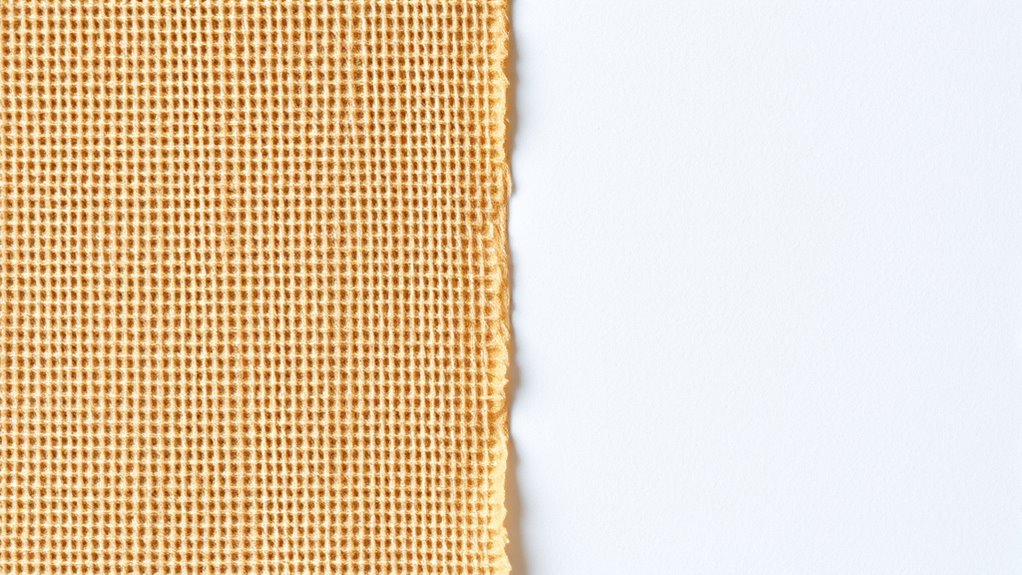
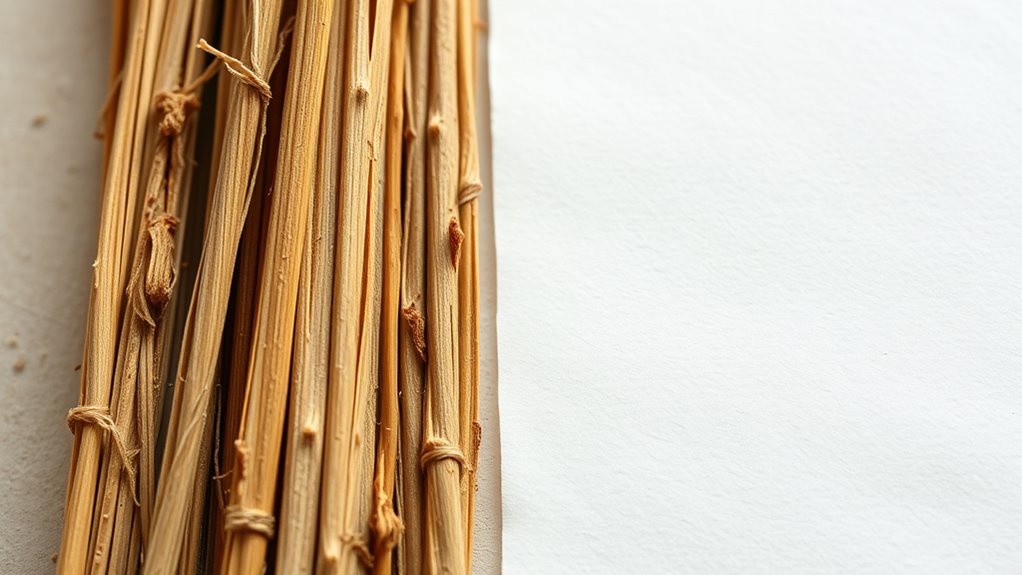
Have you ever wondered what sets papyrus apart from modern paper? It’s a fascinating question because, although both served as mediums for writing, they come from very different origins and were created through distinct processes. Ancient writing materials like papyrus have a rich history that dates back thousands of years, especially in Egypt. Made from the pith of the papyrus plant, this material was one of the earliest forms of durable writing surfaces. Unlike today’s paper, which is primarily derived from wood pulp or other plant fibers, papyrus was produced using a unique method that involved cutting the plant into thin strips, laying them in crisscross layers, and then pressing them together to form a sheet. This process was not only ancient but also quite sustainable, relying on natural materials that grew abundantly along riverbanks. In fact, the production of papyrus involved minimal waste and used local resources, making it an eco-friendly choice in its time.
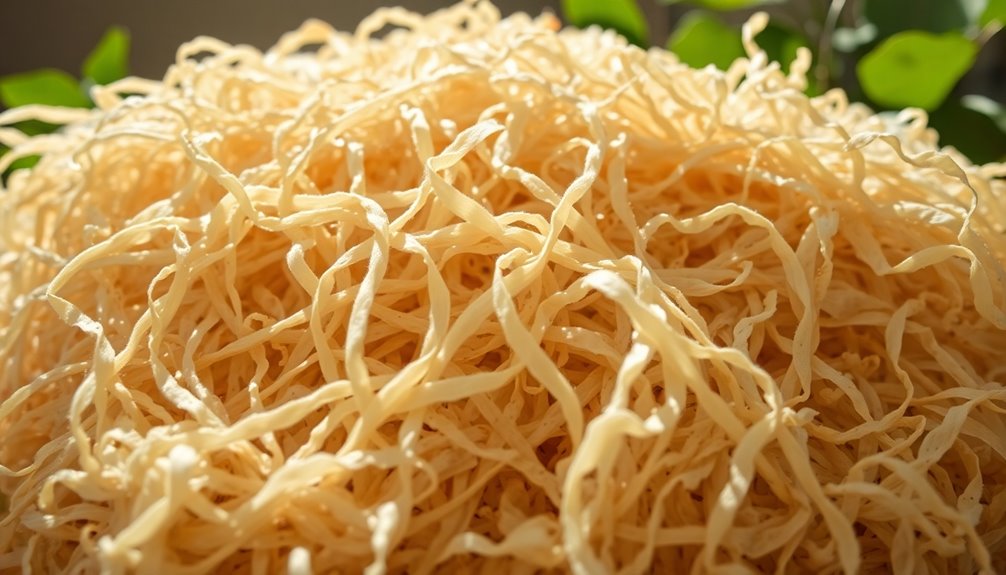
Ancient papyrus was made from natural, abundant plant strips—sustainable and eco-friendly, with minimal waste.
When you compare papyrus to modern paper, you’ll notice that the techniques for making each reflect their respective eras and environmental impacts. Modern paper manufacturing has evolved considerably, utilizing advanced machinery and chemical processes that allow for mass production. However, these methods often involve the use of chemicals and large amounts of water, raising concerns about sustainability. In contrast, ancient production methods for papyrus relied on simple, natural steps that didn’t harm the environment. The plant itself was harvested responsibly, and the process of preparing sheets was straightforward, involving no synthetic chemicals or intensive energy use. This sustainable approach contributed to the longevity of papyrus as a reliable writing surface for centuries.
Additionally, modern paper often involves cutting down trees, which has led to environmental challenges like deforestation and habitat loss. Although recycling helps mitigate some of these effects, the ecological footprint of paper production remains a concern. Meanwhile, the ancient methods of making papyrus were inherently sustainable because they used renewable plant material that could be harvested repeatedly without depleting resources. This makes papyrus not only historically significant but also an example of early sustainable production methods.
In essence, understanding these differences highlights how ancient writing materials like papyrus were created with respect for natural resources, contrasting sharply with some of the environmental issues associated with modern paper. So, when you look at a piece of papyrus, you’re seeing a product of sustainable practices that harnessed natural materials efficiently. It’s a reminder that even in ancient times, people crafted writing surfaces with an awareness of their environment, a lesson that still resonates today.

CraftsOfEgypt Set 10 Egyptian Papyrus Paper 4×6 inch (10×15 cm) – Ancient Alphabets Papyrus Sheets-Papyri for Art Project, Scrapbooking, and School History – Ideal Teaching Aid Scroll Paper
10 Egyptian Papyrus blank paper sheet of high quality
As an affiliate, we earn on qualifying purchases.
As an affiliate, we earn on qualifying purchases.
Frequently Asked Questions
How Did Papyrus Influence Ancient Record-Keeping?
You see, papyrus greatly influenced ancient record-keeping by providing a durable, portable medium for documentation. Its use enabled civilizations to record laws, history, and cultural stories, shaping their societies. The cultural significance of papyrus extended beyond mere recording; it became a symbol of knowledge and communication. By facilitating more organized and accessible ancient documentation, papyrus helped preserve history and fostered cultural development across civilizations.
What Modern Uses Still Rely on Papyrus?
You might think papyrus is a thing of the past, but it still finds its place in modern applications. Artists use it for ancient art projects, appreciating its historical vibe and texture. Additionally, some specialty markets and cultural preservation efforts rely on papyrus for authenticity. While it’s not mainstream, papyrus keeps its roots alive, bridging the gap between ancient art and modern applications. It’s a case of old is gold, after all.
Are There Environmental Differences Between Papyrus and Paper?
You’ll find that papyrus and paper have different environmental impacts, mainly because papyrus is a renewable resource from wetlands, while paper often involves cutting down trees. Paper production raises more sustainability concerns due to deforestation and chemical use. If you’re eco-conscious, you might prefer papyrus because it generally has a lower environmental footprint, but both require mindful harvesting and responsible disposal to minimize environmental harm.
How Do Preservation Methods Differ for Papyrus and Paper?
Think of preserving papyrus and paper like caring for fragile treasures. For ancient preservation, papyrus needs gentle handling and low humidity, as it’s more delicate. Paper often undergoes chemical treatments to prevent decay, like deacidification. You must tailor preservation methods to each material’s unique properties, ensuring longevity. Just as a gardener waters different plants differently, conservators adjust techniques, preserving history for future generations.
Can Papyrus Be Recycled Like Paper?
Yes, papyrus can be recycled like paper, but the process is more complex due to its organic fibers. Recycling involves breaking down the material into pulp, which can then be reformed into new sheets. However, papyrus’s natural composition and age can impact the recycling process, making it less efficient than paper. Recycling papyrus reduces environmental impact by conserving resources and minimizing waste, but it’s less common due to preservation concerns.
CraftsOfEgypt Set 10 Egyptian Papyrus Paper 4×6 inch (10×15 cm) – Ancient Alphabets Papyrus Sheets-Papyri for Art Project, Scrapbooking, and School History – Ideal Teaching Aid Scroll Paper
10 Egyptian Papyrus blank paper sheet of high quality
As an affiliate, we earn on qualifying purchases.
As an affiliate, we earn on qualifying purchases.
Conclusion
Now you see, papyrus and paper are like two siblings from different worlds—one rooted in ancient sands, the other in modern hands. While papyrus carries the weight of history like a time-traveling scroll, paper’s versatility makes it your everyday canvas. Knowing their origins helps you appreciate each for what they bring to your stories and notes. Ultimately, understanding these materials is like holding a piece of history—delicate, yet powerful enough to turn the page of time.
CraftsOfEgypt Set 10 Egyptian Papyrus Paper 4×6 inch (10×15 cm) – Ancient Alphabets Papyrus Sheets-Papyri for Art Project, Scrapbooking, and School History – Ideal Teaching Aid Scroll Paper
10 Egyptian Papyrus blank paper sheet of high quality
As an affiliate, we earn on qualifying purchases.
As an affiliate, we earn on qualifying purchases.

Diuhofart Textured Handmade Paper Sheets for Crafts, A5 Thick Rough Mulberry Recycled Scrapbook Papers for Card Making, Mixed Media, Embossed, DIY Junk Journals, Art Journaling Decorative Materials
HEAVY ROUGH MULBERRY RECYCLED PAPERS: You will get 10 sheets of thick handmade scrapbook paper. The textured papers…
As an affiliate, we earn on qualifying purchases.
As an affiliate, we earn on qualifying purchases.