Paper opacity matters for double-sided design projects because it affects how clear and sharp your print looks on both sides. If the paper isn’t opaque enough, ink from one side will show through, causing images and text to blur or look messy. High-opacity paper keeps your colors vibrant and your details crisp, enhancing your project’s professional appearance. To learn more about choosing the right opacity for your needs, keep exploring these key points.

Get business pricing on monitors, keyboards and dev gear
- Business-only prices and quantity discounts
- Tax-exempt purchasing
- Multiple users, one account, clear invoices
Key Takeaways
- Higher opacity prevents ink bleed-through, keeping both sides of the print sharp and clear.
- It maintains color vibrancy and detail without backside interference.
- Proper opacity enhances readability and professional appearance of double-sided documents.
- Selecting the right opacity reduces waste and reprints, supporting eco-friendly printing.
- Ensuring adequate opacity is essential for achieving high-quality, polished double-sided projects.
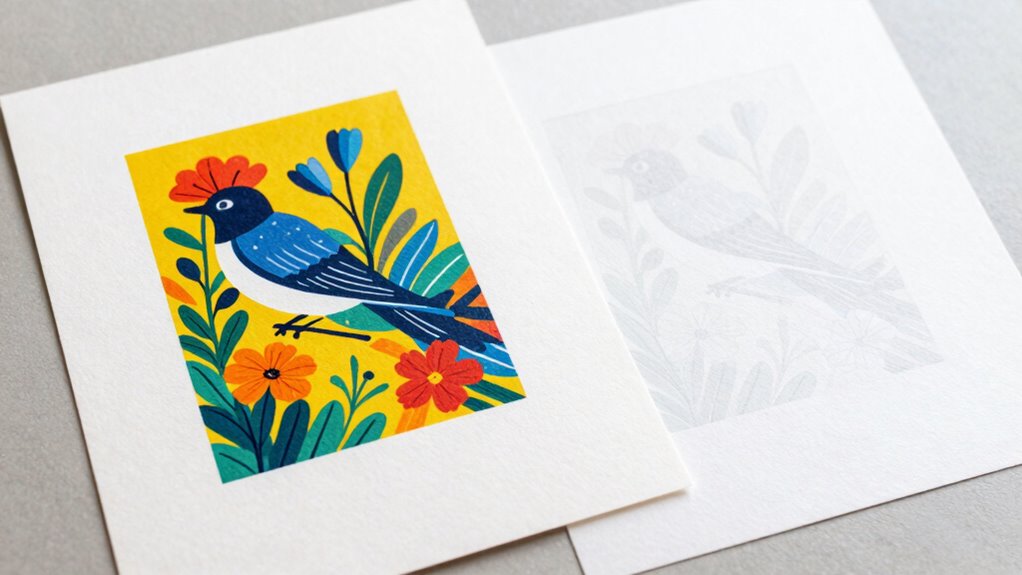
Have you ever noticed how some papers make text or images on the back side visible or distracting? That’s often due to the paper’s opacity, which plays a crucial role in double-sided design projects. When you’re printing on both sides of a sheet, low-opacity paper allows ink to seep through, causing ink bleed. This bleed can blur the images or text on the reverse side, making your work look messy and unprofessional. High-opacity paper, on the other hand, minimizes ink bleed, so the print on one side stays crisp and clear without interference from the other. This directly impacts print clarity, ensuring your double-sided documents look sharp and polished.
High-opacity paper prevents ink bleed, ensuring crisp, professional double-sided prints.
Choosing the right opacity isn’t just about avoiding distractions; it also affects how well your colors and details come through. If your paper’s opacity is too low, the colors from the backside may show through, muddying the overall appearance. This can be especially problematic for graphics-heavy materials like brochures, reports, or presentations, where visual precision matters. When you select high-opacity paper, you’re giving your project a clean, professional finish, with crisp lines and vibrant colors that don’t bleed through or fade into the other side. It’s an investment in quality, making your work more appealing and easier to read.
Furthermore, paper opacity influences how your printed content is perceived. If the background shows through or the text appears faint due to insufficient opacity, your document might seem unfinished or poorly produced. This can undermine your message or brand image, especially when sharing important materials. With the right paper, you enhance readability and ensure your message is delivered with clarity and confidence. It’s not just about aesthetics; it’s about creating a seamless reader experience where each side of the paper serves its purpose without compromise. Additionally, understanding paper opacity can help you select environmentally friendly options that support sustainable living practices by reducing waste and reprints. Choosing paper with appropriate opacity can also contribute to environmentally friendly options, supporting sustainability in your printing projects.
In essence, understanding paper opacity helps you make smarter choices for your double-sided projects. High-opacity papers reduce ink bleed and improve print clarity, ensuring your text and images stay sharp and clear on both sides. Whether you’re designing a booklet, printing a report, or preparing marketing materials, the right opacity level guarantees that your work looks professional and polished. So, next time you plan a double-sided print job, pay attention to paper opacity—because it’s the foundation of quality in your printed materials.
Frequently Asked Questions
How Does Paper Opacity Affect Print Color Accuracy?
Paper opacity directly impacts print color accuracy by controlling ink bleed and enhancing color vibrancy. When you choose high-opacity paper, it prevents ink from bleeding through, ensuring each side’s colors stay sharp and true. Low-opacity paper allows more show-through, which can distort colors and reduce vibrancy. By selecting the right opacity, you help maintain accurate, vibrant colors and avoid unwanted blending or ghosting, making your double-sided prints look professional and crisp.
What Are the Environmental Impacts of Different Paper Opacities?
They say, “Every little bit counts,” and paper opacity impacts the environment considerably. Higher opacity papers often involve more coatings or fillers, which can pose recycling challenges, making waste harder to process. Choosing eco-friendly alternatives with lower opacity reduces these issues and supports sustainable practices. By opting for recycled or responsibly sourced papers, you lessen environmental harm, balancing your design needs with the planet’s health.
Can High-Opacity Paper Be Recycled Easily?
High-opacity paper can be recycled, but you may face recycling challenges because its dense coating or fillers can complicate the process. The opacity measurement, which determines how much light passes through the paper, often correlates with these coatings. These added layers can hinder efficient recycling, so it’s important to check local guidelines. Overall, while recyclable, high-opacity paper might require more careful handling during the recycling process.
How Does Opacity Influence the Paper’s Handling During Printing?
Imagine you’re in the era of the printing press—opacity directly impacts how smoothly you handle the paper. Higher opacity reduces paper translucency, preventing ink smudging on the reverse side and enabling cleaner printing. Lower opacity, however, can cause ink to bleed through, making handling trickier and risking smudges. So, choosing the right opacity guarantees your double-sided designs come out sharp and professional without the hassle of ink smudges.
Are There Industry Standards for Measuring Paper Opacity?
Yes, there are industry standards for measuring paper opacity. Opacity measurement typically involves using a spotlight and a light meter to determine how much light passes through the paper, guaranteeing consistency across products. Standards like TAPPI and ISO provide guidelines to ensure uniformity in opacity measurement. Following these industry standards helps you select the right paper for your double-sided projects, reducing show-through and improving print quality.
Conclusion
Choosing the right paper opacity is like finding the perfect filter for your design—it can make all the difference. When you select opaque paper, your double-sided projects become clear and professional, preventing any pesky see-through mishaps. Don’t let transparency be the villain in your design story; instead, make opacity your trusted hero. With the right paper, your work will shine brightly, free from unwanted shadows, leaving a lasting impression that truly stands out.
Fall Picks
fall essentials
As an affiliate, we earn on qualifying purchases.