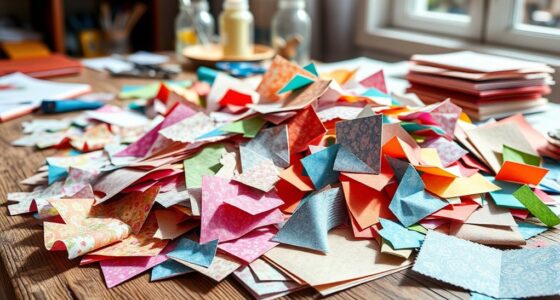
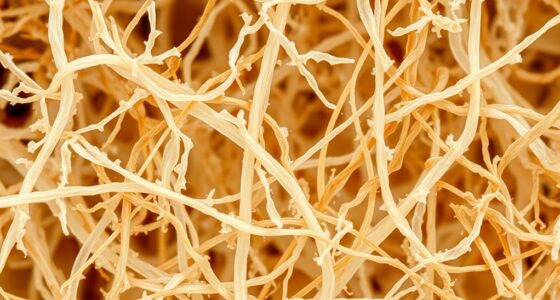
Folding against the paper’s grain can ruin a good fold because it causes tears, uneven edges, and weakens the paper’s fibers. When you don’t consider the grain direction, the paper becomes more prone to cracking and smudging ink, which affects the project’s overall look and durability. By understanding the grain, you can make cleaner, sharper folds and avoid damage. Keep going, and you’ll discover how knowing the fiber layout improves your folding results.

Get business pricing on monitors, keyboards and dev gear
- Business-only prices and quantity discounts
- Tax-exempt purchasing
- Multiple users, one account, clear invoices
Key Takeaways
- Folding against the grain causes jagged edges and tears, ruining the neatness of the fold.
- Improper grain alignment leads to ink smudging or cracking, compromising artwork quality.
- Folding against the grain weakens the paper, increasing the risk of tearing or fraying.
- Incorrect grain orientation results in uneven, unpredictable fold behavior and poor project finish.
- Ignoring grain direction can cause irregularities, damaging the paper’s durability and aesthetic appeal.

Have you ever noticed how paper folds differently depending on its grain direction? If you’ve ever tried to fold a piece of paper and found the fold uneven or torn, the grain might be the culprit. The grain refers to the alignment of fibers in the paper, which directly influences how it behaves when bent or creased. When you fold along the grain, the paper tends to fold smoothly with minimal resistance. Conversely, folding against the grain can cause uneven, jagged edges, or even tears. This simple difference can make or break your project, especially if you’re aiming for precise, clean folds.
One major issue that arises from incorrect grain direction is ink smudging. If you’re working with paper that has freshly applied ink, folding against the grain can disturb the ink’s texture consistency. The fibers tend to be more susceptible to smudging when folded improperly, as the pressure causes the ink to smear or crack along the fold. This is particularly problematic for delicate artwork, calligraphy, or printed documents where sharp, crisp lines are essential. You might notice that ink doesn’t sit flush along the fold, leading to a messy appearance and potentially ruining the overall presentation. To avoid this, you should always consider the grain direction before making any folds, especially in ink-heavy projects.
Additionally, folding against the grain can compromise the paper’s strength, increasing the likelihood of tearing or fraying along the fold line. The fibers are less flexible when folded against the grain, making the paper more prone to cracking or fraying along the fold line. Understanding the fiber alignment in paper can help you make better decisions about folding, ensuring your projects stay intact and look professional. Recognizing the fiber orientation can also help in choosing the right paper for specific projects, especially those requiring multiple folds or intricate creases. Being aware of the grain direction allows you to anticipate how the paper will behave during folding, reducing the risk of damage or irregularities. Knowing the fiber properties can further assist in selecting suitable materials for your projects, especially when durability is a concern. If you want your folds to be sharp and clean without any irregularities, paying attention to the grain is key.
As an affiliate, we earn on qualifying purchases.
Frequently Asked Questions
How Can I Determine Paper Grain Direction at Home?
To determine paper grain direction at home, feel the paper’s texture along its edges. Fold a small corner gently; if it folds smoothly and crisply, you’re likely following the grain. Use folding tools like a bone folder for accuracy. Pay attention to how the paper responds—if it resists or cracks, you’ve gone against the grain. This simple test helps guarantee your folds stay clean and sharp.
Does Paper Weight Affect Grain Direction Issues?
Think of paper weight as the backbone of your project—heavier paper often resists grain issues, making folds smoother. Yes, paper weight affects grain direction issues; heavier, higher-quality paper tends to have a more predictable grain, easing your folding techniques. Lighter, lower-quality paper can warp or crack when folded against the grain, ruining your craft. Always choose suitable paper quality and adjust your folding techniques accordingly for the best results.
Are There Specific Paper Types More Prone to Grain Problems?
Certain paper types, especially those with a rough or textured surface, are more prone to grain problems because their grain orientation can be unpredictable. Textured papers, like linen or watercolor, tend to have uneven grain directions, making precise folds challenging. Smooth, machine-made papers usually have a consistent grain orientation, reducing the risk of cracking or misfolding. So, choose your paper wisely based on texture and grain direction for better folding results.
Can Pre-Folding Techniques Reduce Grain-Related Damage?
Pre-folding techniques can considerably reduce grain-related damage by aligning paper fibers properly. Imagine gently bending the paper along the grain, which guides the fibers smoothly, preventing tears or cracks. By carefully pre-folding with attention to grain alignment, you minimize stress on the fibers, resulting in cleaner, sharper folds. This approach preserves the paper’s integrity, especially for delicate materials, ensuring your finished product looks professional and avoids costly mistakes.
How Does Humidity Impact Paper Grain During Folding?
Humidity impacts paper grain during folding by causing moisture expansion, which can weaken fiber alignment. When humidity rises, the paper absorbs moisture, leading to uneven expansion along the grain, making it more prone to tearing or cracking during folds. Conversely, low humidity can make fibers brittle, increasing the risk of damage. Maintaining consistent humidity levels helps preserve fiber alignment, ensuring cleaner, more precise folds.
As an affiliate, we earn on qualifying purchases.
Conclusion
So, next time you’re about to fold that perfect origami masterpiece, remember: ignoring paper grain directions is a surefire way to turn your art into a tragic paper disaster. Who knew that a simple oversight could ruin all your hard work? So, go ahead—embrace the grain, fold with confidence, and avoid the heartbreak of a crumpled catastrophe. Because, really, your paper deserves better than a jagged, torn fate.
As an affiliate, we earn on qualifying purchases.
professional paper folding tools
As an affiliate, we earn on qualifying purchases.
As an affiliate, we earn on qualifying purchases.
Fall Picks
fall essentials
As an affiliate, we earn on qualifying purchases.