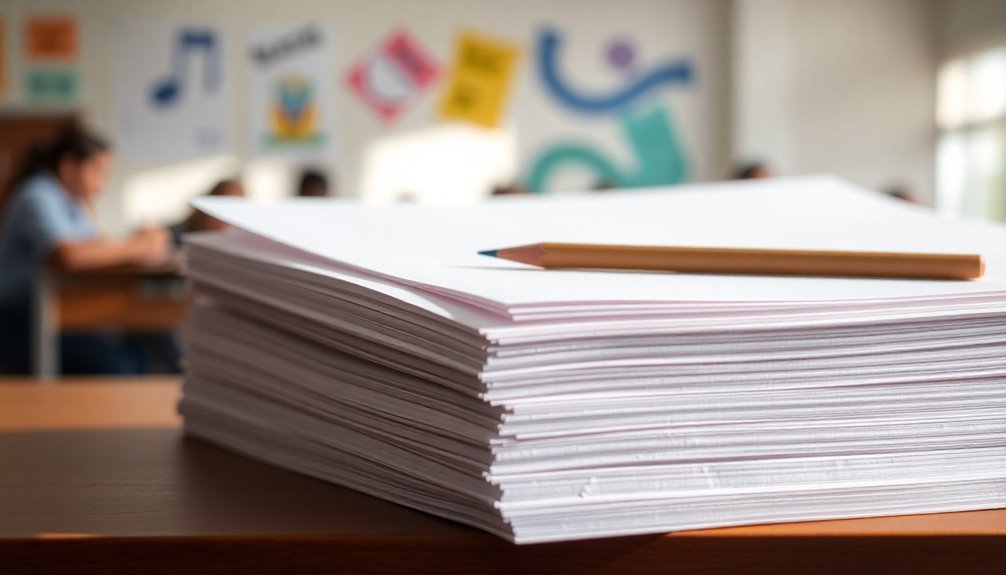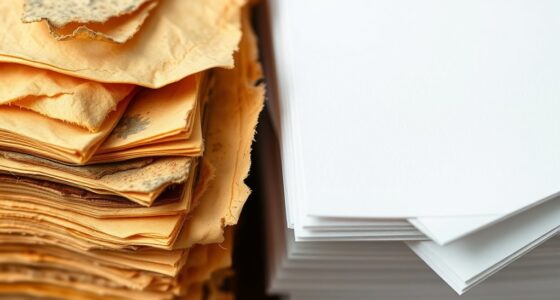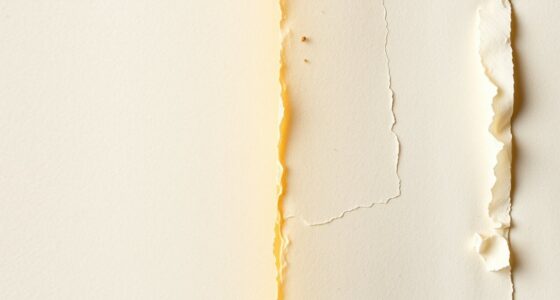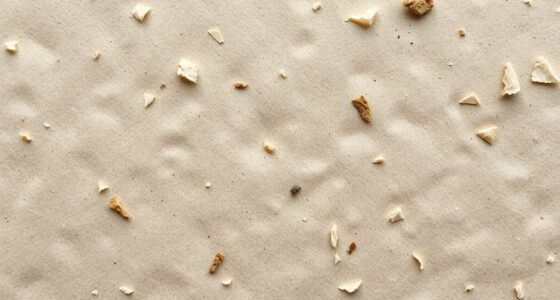
Paper curling happens when environmental factors like humidity and temperature cause uneven moisture absorption and expansion in the fibers. Using lightweight or textured paper makes curling more likely, especially during printing processes that generate heat. To fix curled paper, you can gently rehumidify or press it flat, and prevent future issues by storing paper flat in a cool, dry place. Keep exploring for more tips on avoiding and managing paper curl effectively.
Key Takeaways
- Moisture imbalance, temperature fluctuations, and fiber properties cause paper curling; controlling environmental conditions reduces this issue.
- Applying gentle heat, moisture, or using a press can temporarily straighten curled paper.
- Proper storage in a flat, dry, and stable environment prevents future curling.
- Heavier, coated, or textured papers resist curling better than lightweight, uncoated options.
- Regular printer maintenance and correct handling techniques help minimize curling during printing and storage.

3 Pack PTFE Teflon Sheet for Heat Press Transfer Sheet Non Stick 16 x 20 Heat Transfer Paper Reusable Heat Resistant Craft Mat
Waterproof & Washable – Our 3 pack PTFE Sheet for Heat Press Reusable is easily wipe off messy…
As an affiliate, we earn on qualifying purchases.
As an affiliate, we earn on qualifying purchases.
Why Does Paper Curl? Understanding the Main Causes

Paper curls mainly because of uneven moisture content within its fibers. When you handle paper, the paper fiber structure absorbs moisture at different rates, causing some areas to expand or contract more than others. This uneven absorption affects the paper’s porosity, which determines how easily moisture moves through the material. High porosity allows moisture to penetrate quickly, leading to rapid swelling, while low porosity slows moisture movement, increasing the risk of curling. As moisture levels fluctuate, the fibers respond by expanding or shrinking unevenly, resulting in curled edges or corners. Understanding how paper porosity influences moisture movement helps you grasp why paper behaves unpredictably in varying humidity conditions, setting the stage for the next step—how humidity and moisture actually cause the curl. Additionally, fiber structure plays a crucial role in how paper reacts to environmental changes, further contributing to curling. Recognizing the impact of material composition can help in developing better preservation and storage methods to prevent curling. Furthermore, porosity variations within the paper material can lead to inconsistent curling patterns, especially in mixed fiber papers. Environmental factors such as temperature and humidity fluctuations also significantly influence this process.

50PCS 5 Gram Silica Gel Packets, Premium Moisture Absorbers, Desiccant Packs for Storage Clothes, Shoes, Electronics, 3D Filament, Safes, Rechargeable Humidity Packs, Dehumidifier Bags, Silica Packets
Strong Dehumidifier Bags – This silica packets for moisture control adopts the transparent silica gel beads material, a…
As an affiliate, we earn on qualifying purchases.
As an affiliate, we earn on qualifying purchases.
How Humidity and Moisture Make Paper Curl
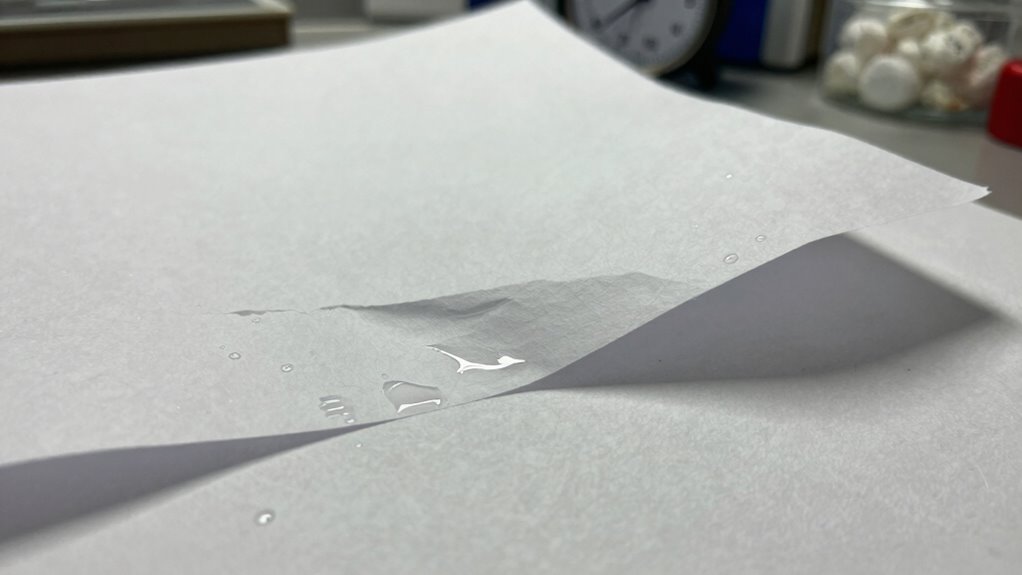
When humidity rises, it causes the paper to absorb moisture from the air. This excess moisture makes the paper warp and curl as different layers expand unevenly. Fluctuating climate conditions only worsen the problem, making it harder to keep your paper flat. Proper storage methods can help minimize moisture exposure and prevent curling. Additionally, controlling indoor humidity levels can significantly reduce the risk of paper deformation. Maintaining stable indoor climate conditions is essential for preserving paper integrity over time. Using moisture barriers can further enhance protection against humidity fluctuations and keep your paper in good condition. Implementing climate control systems can help maintain consistent environmental conditions and prevent further curling.
Humidity Causes Moisture Absorption
Humidity introduces moisture into the air, which can be absorbed by paper fibers. When humidity levels rise, your paper experiences humidity absorption, leading to increased moisture content within its fibers. This moisture impact causes the fibers to swell unevenly, especially if the paper isn’t evenly exposed. As the paper absorbs moisture, it becomes more flexible and susceptible to curling or warping. Even slight changes in humidity can trigger this process, making the paper curl inward or outward depending on the environment. Understanding how humidity causes moisture absorption helps you recognize why paper reacts to air conditions. Proper storage techniques can significantly reduce the risk of curling caused by environmental factors. Managing humidity levels is essential for long-term preservation of paper quality to prevent curling issues. Controlling environmental factors is essential for long-term preservation of paper quality.
Excess Moisture Warps Paper
Excess moisture causes paper to warp by unevenly expanding its fibers. When moisture content rises beyond ideal levels, the paper fiber absorbs this excess moisture, causing some areas to swell more than others. The uneven expansion creates tension within the paper, leading to curling or warping. The more moisture the paper absorbs, the more pronounced the distortion becomes. High humidity environments increase the likelihood of this problem, especially if the paper isn’t stored properly. As the paper’s fibers swell unevenly, its flat surface becomes distorted, making it difficult to work with or print on. Proper storage techniques are crucial in preventing moisture buildup and maintaining paper integrity. To prevent this, control the moisture content by storing paper in a dry, stable environment, and avoid exposing it to high humidity levels that can cause uneven fiber expansion. Additionally, using eco-friendly craft supplies can help minimize environmental impact and protect your projects from moisture-related issues. Proper storage methods and environmental control are essential to maintain the integrity of your paper and prevent curling. Regularly monitoring indoor humidity levels can also help reduce the risk of moisture-related warping. Implementing humidity control measures like dehumidifiers or climate-controlled storage can further safeguard your paper from moisture-related damage.
Fluctuating Climate Effects
Fluctuating climate conditions directly impact the stability of paper by causing periodic changes in humidity levels. Weather patterns and climate variation lead to shifts in moisture absorption, making paper expand or contract unevenly. This ongoing fluctuation causes the paper to curl over time. Understanding these effects helps you anticipate and mitigate curling issues. Additionally, awareness of child development principles can guide preventative measures to minimize damage. Recognizing the importance of environmental control can further aid in maintaining paper integrity. Implementing consistent storage conditions can significantly reduce the impact of humidity fluctuations on paper. Moreover, employing climate monitoring tools can help you respond proactively to environmental changes, protecting sensitive materials. Maintaining stable indoor humidity levels is essential for preventing ongoing damage and preserving paper quality over time.

OLFA Perforation Cutter 28 235B
・ You can make perforations in paper, film, vinyl, etc. that can be cut off when necessary.
As an affiliate, we earn on qualifying purchases.
As an affiliate, we earn on qualifying purchases.
How Paper Weight and Finish Affect Curling

The weight and finish of paper play crucial roles in how it curls during printing or handling. Heavier paper, such as cardstock, tends to resist curling better than lightweight options, reducing the likelihood of warping. Conversely, very light paper is more prone to curling because it’s more flexible and responds easily to moisture changes. The finish quality also impacts curling; smooth finishes often absorb less moisture, minimizing warping, while matte or textured finishes can trap humidity, increasing curl risk. Additionally, the coating or surface treatment influences how the paper reacts to environmental factors. Paper stability is essential in preventing curling, especially in varying humidity conditions. By choosing an appropriate paper weight and finish, you can markedly decrease curling tendencies, ensuring cleaner handling and better print results. Selecting the right combination helps maintain flatness and reduces the need for corrections or reprints.

Roberts 70-117 Moisture Barricade 6 mil Polyethylene Film Roll, 600 sq. ft.
Class 1 Vapor Barrier protects against moisture when installing vinyl, laminate, SPC and engineered wood flooring
As an affiliate, we earn on qualifying purchases.
As an affiliate, we earn on qualifying purchases.
What Printing Processes Can Cause Paper to Curl
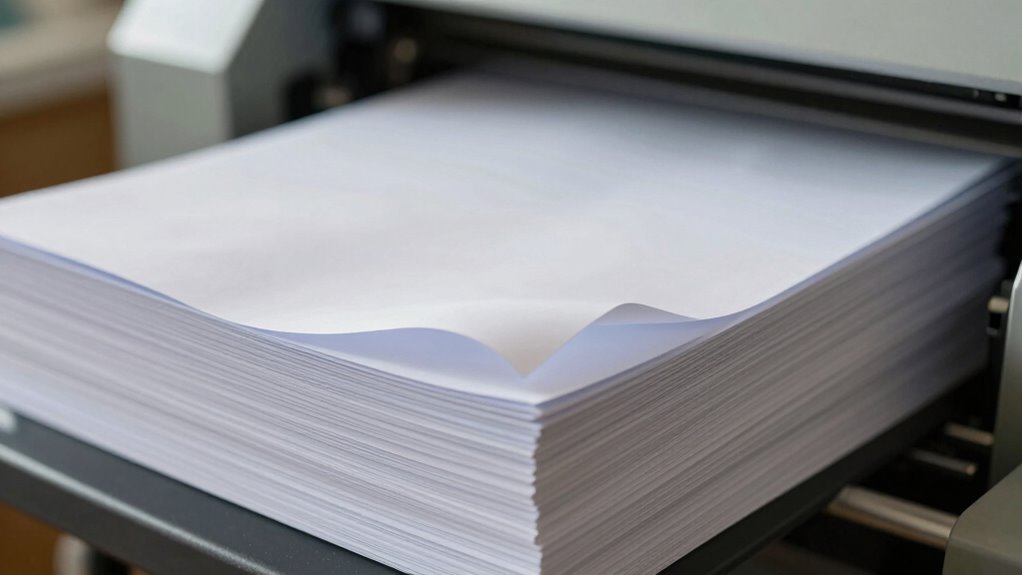
You might notice paper curling more during printing when exposed to high humidity or excessive heat. These conditions cause moisture and thermal stress, which can warp the paper surface. Understanding how temperature and moisture affect the paper helps prevent curling during different printing processes. Selecting the appropriate printing equipment and settings can also minimize these effects and improve print quality. Additionally, being aware of environmental factors can aid in controlling conditions that lead to curling.
High Humidity Effects
High humidity during printing can considerably increase the likelihood of paper curling. When moisture from the air is absorbed through humidity effects, the paper’s fibers swell unevenly, causing curling or warping. To manage this, consider these key points:
- Moisture absorption varies with humidity levels, affecting paper stability.
- Higher humidity accelerates moisture uptake, making curling more probable.
- Proper storage and climate control reduce moisture-related issues before printing begins.
Excessive Heat Impact
Did you know that excessive heat during printing can cause paper to curl or warp? When paper is exposed to high temperatures, thermal expansion occurs, causing the fibers to expand unevenly. This uneven expansion leads to distortion, resulting in curling or warping. Heat damage weakens the paper’s structure, making it more susceptible to deformation. Certain printing processes, like high-intensity laser printing or heat-based presses, generate enough heat to trigger these effects. To prevent this, control the temperature during printing and avoid prolonged exposure to heat sources. Using heat-resistant paper or adjusting the heat settings on your equipment can also help minimize heat damage. Managing heat levels ensures your paper remains flat and maintains its quality throughout the printing process.
How to Fix Curled Paper Quickly and Easily
One of the quickest ways to fix curled paper is by applying gentle heat and moisture. Lightly mist the paper with water or use a damp cloth, then apply heat with an iron set to low or a heat press. Keep the paper moving to avoid scorch marks. Your goal is to relax the paper fibers without damaging the coating or compromising paper thickness. To guarantee success, consider these tips:
Gently mist, heat, and flatten curled paper for quick, damage-free results.
- Adjust moisture levels based on paper coating—more delicate coatings require less water.
- Use even, low heat to prevent warping or discoloration.
- Press the paper flat between heavy books or a smooth surface after heating to maintain a flat shape.
These steps help restore your paper’s flatness quickly, with minimal effort.
Preventing Paper Curl During Storage and Handling
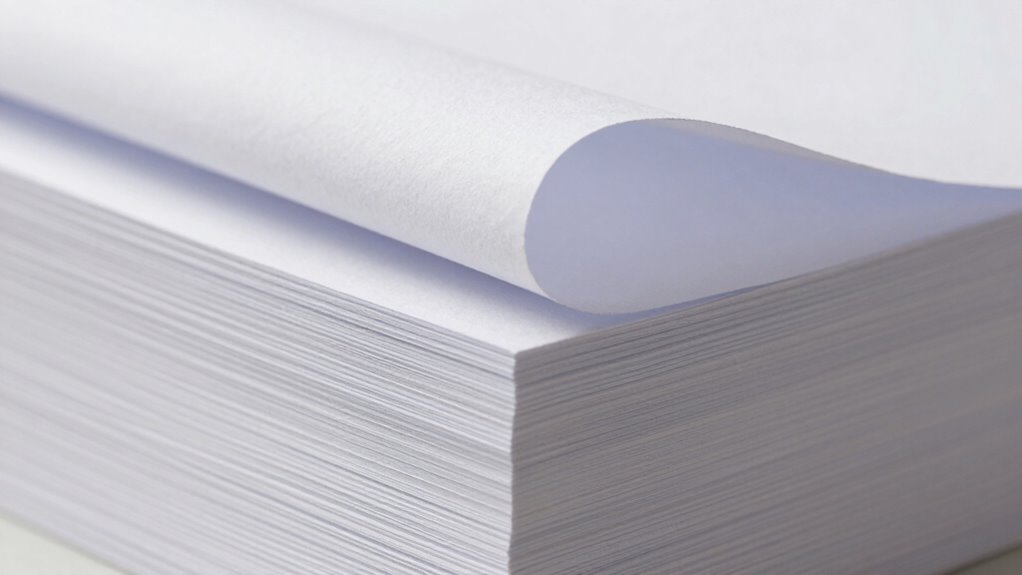
To prevent paper curl during storage and handling, you should keep your paper flat and properly supported at all times. Use storage tips like stacking paper evenly and avoiding overloading stacks, which can cause uneven pressure and curl. Proper paper stacking ensures weight is distributed uniformly, reducing the risk of warping. Store paper in a cool, dry environment away from humidity and temperature fluctuations. Use flat, rigid surfaces like shelves or pallets to support stacks. Handle paper gently to prevent bending or creasing. Here’s a helpful table:
| Storage Tip | Effect | Best Practice |
|---|---|---|
| Stack evenly | Prevents uneven pressure | Align corners and edges |
| Avoid overloading | Reduces bending and warping | Limit the number of sheets |
| Keep dry and cool | Minimizes moisture-related curl | Use climate-controlled storage |
| Use flat supports | Maintains flatness during storage | Place on rigid surfaces |
| Handle gently | Avoids creases and bends | Use clean, smooth handling tools |
Choosing the Best Paper for Printing and Crafts
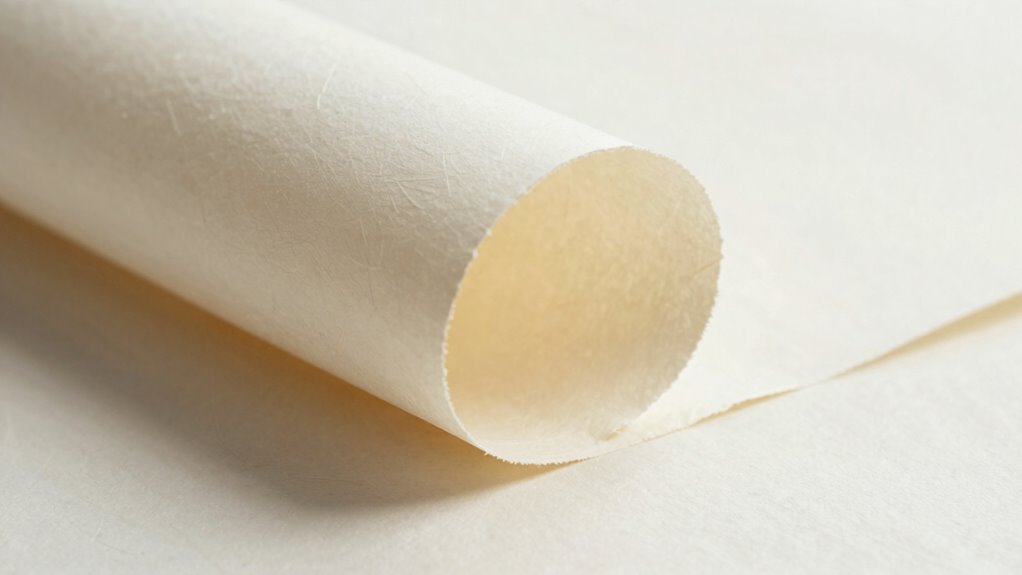
Choosing the right paper is essential for achieving high-quality results in printing and crafts. Your choice impacts paper quality, print settings, and overall finish. To select the best paper, consider these key factors:
Selecting the right paper ensures top-quality results and a professional finish.
- Purpose: Match paper type to your project—photo paper for images, cardstock for crafts.
- Weight and Thickness: Heavier paper reduces curling and enhances durability.
- Surface Texture: Smooth surfaces produce sharp prints, while textured paper adds artistic flair.
Adjust your print settings based on your paper choice—selecting the correct media type and quality settings ensures ideal results. Using incompatible paper and settings can cause curling or poor print quality. By choosing the appropriate paper and configuring your print settings properly, you’ll improve your craft projects and minimize issues like curling.
Tips for Handling and Loading Paper to Avoid Curling
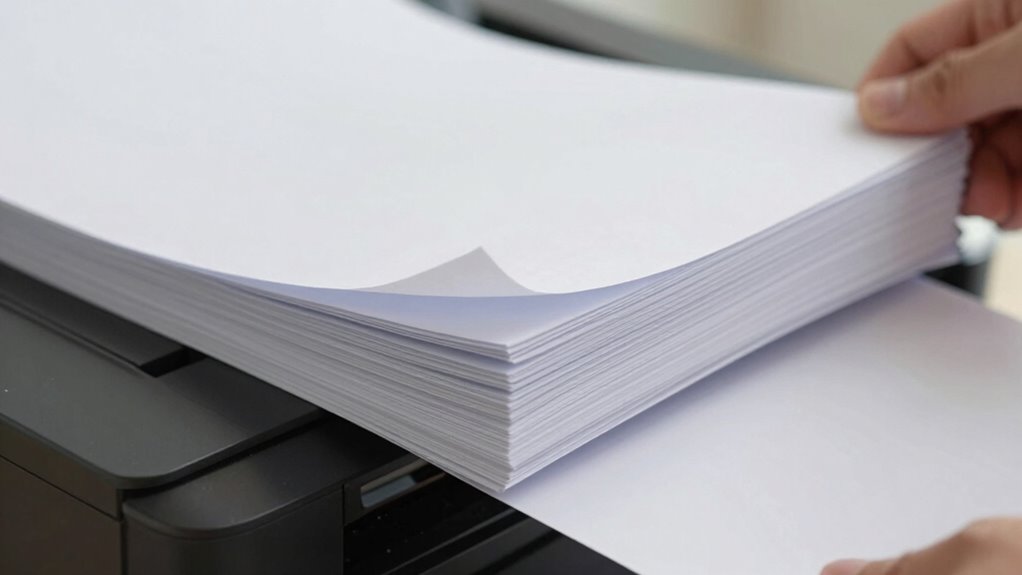
Handling and loading paper properly is essential for preventing curling during printing or crafting. To achieve this, focus on proper paper handling by always holding sheets by the edges to avoid fingerprints and moisture transfer. When loading paper into your printer or paper tray, ensure it’s aligned correctly and fits snugly without overstuffing. Use consistent loading techniques, such as stacking sheets neatly and avoiding skewed or uneven piles, to prevent tension that can cause curling. Keep the paper flat and free of bends before loading, and always load it with the print side facing the correct direction. Regularly check your paper tray for jams or misalignments. These simple tips promote even feeding and reduce stress on the paper, helping you avoid curling issues altogether.
Troubleshooting Paper Curl Problems in Printers and Devices
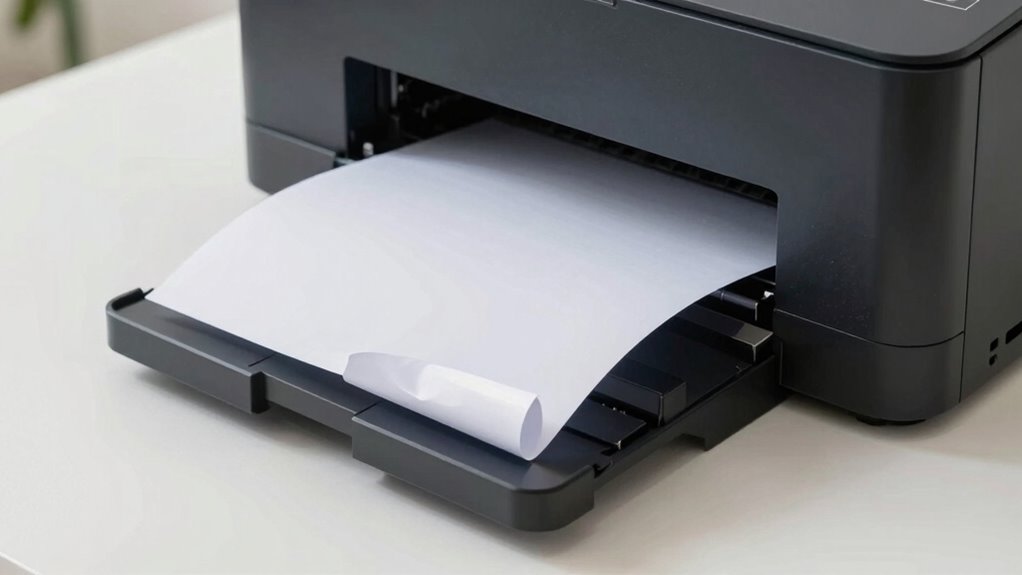
When your printed pages start curling, it’s usually a sign that something’s off with your printer’s settings or paper quality. To troubleshoot paper curl problems, consider these key steps:
- Check Paper Storage: Ensure your paper is stored in a cool, dry place to prevent moisture absorption, which can cause curling.
- Perform Printer Maintenance: Regularly clean rollers and perform calibration to prevent uneven paper feed, reducing curl.
- Adjust Printer Settings: Use the correct paper type setting in your printer’s menu to optimize heat and pressure during printing.
Addressing storage issues and maintaining your printer regularly can appreciably reduce curl problems. Properly stored paper and attentive maintenance ensure smooth operation and crisp, flat prints.
Frequently Asked Questions
Can Specific Paper Brands Minimize Curling Issues?
Yes, choosing specific paper brands with high-quality paper quality and optimized coating formulations can minimize curling issues. You should look for brands that use smooth, well-coated paper designed for your printing or crafting needs. These coatings help maintain stability and reduce moisture absorption, which causes curling. By selecting trusted brands known for consistent quality, you can appreciably decrease the likelihood of paper curling during use.
Does Temperature Impact Paper Curling During Printing?
You’ll notice that higher print temperatures can worsen paper curling, especially if humidity effects aren’t managed. For example, in a case where a print shop increased heat without controlling humidity, paper started curling more during printing. Temperature impacts the paper’s moisture balance, causing it to expand or contract. To prevent this, keep print temperature stable and monitor humidity levels, ensuring they remain within ideal ranges for your paper type.
Are There Eco-Friendly Ways to Reduce Paper Curl?
Yes, you can reduce paper curl eco-friendly by using recycling techniques that repurpose waste paper, minimizing environmental impact. Additionally, opt for biodegradable coatings on your paper products, which help prevent curling without harmful chemicals. These methods promote sustainability while addressing curling issues. Incorporate recycled materials and biodegradable options into your printing process to make your paper use more environmentally friendly and effective at reducing curl.
How Does Storage Duration Influence Paper Curl Severity?
Imagine your paper as a delicate sail, catching the winds of humidity effects. As you store it over time, poor storage conditions allow moisture to seep in, worsening the curl. The longer your paper stays in these conditions, the more severe the curl becomes. To prevent this, store your paper in a cool, dry place, using airtight containers, and avoid prolonged storage, keeping your paper smooth and flat.
Can Homemade Treatments Prevent Paper Curling Effectively?
Yes, homemade treatments can help prevent paper curling effectively. You should focus on humidity control by storing your paper in a stable environment to reduce moisture fluctuations. Additionally, applying a light coat of sealant or paper coating can add a protective layer, minimizing moisture absorption. These simple steps help maintain paper flatness, preventing curling and ensuring your projects stay neat and professional.
Conclusion
Think of your paper as a delicate sail, catching the winds of humidity and handling. By understanding its needs and treating it with care, you prevent the curling that threatens to sink your projects. When you store, handle, and select your paper wisely, you’re guiding it smoothly through the storm. With these tips, you’ll keep your creative voyage steady—letting your ideas sail freely without the worry of curling mishaps.