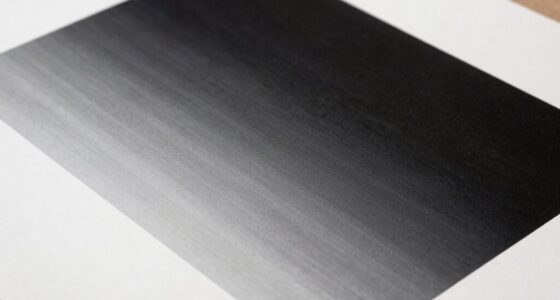
Deckled edges became a luxury signal in paper design because they evoke vintage charm and showcase artisanal craftsmanship. They originated from handmade papermaking techniques, giving each piece a unique, textured edge that feels organic and handcrafted. In today’s market, these edges symbolize sophistication, quality, and authenticity, standing out against smooth, machine-cut borders. If you want to learn more about how this elegant detail continues to influence high-end design, keep exploring the details behind this timeless trend.

Get business pricing on monitors, keyboards and dev gear
- Business-only prices and quantity discounts
- Tax-exempt purchasing
- Multiple users, one account, clear invoices
Key Takeaways
- Originated from traditional handmade papermaking, where uneven, feathered edges signified artisanal craftsmanship and authenticity.
- Evoked vintage charm and historical craftsmanship, positioning deckled edges as a mark of quality and sophistication.
- Their tactile, textured feel enhances sensory engagement, elevating perceived value and artisanal care.
- Gained popularity among luxury and artisanal markets as a visual cue of authenticity and refined craftsmanship.
- Symbolize heritage, individuality, and artistic intent, reinforcing the perception of exclusivity and high-end design.

When it comes to high-end paper design, deckled edges stand out as a subtle but powerful signal of luxury. You might notice how these irregular, feathered edges evoke a sense of vintage charm that instantly elevates any stationery or invitation. Unlike smooth, machine-cut borders, deckled edges carry an artistic texture that hints at craftsmanship and tradition, making each piece feel unique and handcrafted. This imperfect finish has a way of connecting you to the paper’s history, suggesting it’s been carefully prepared rather than mass-produced. That connection to the past enhances the perception of quality and exclusivity, which is why deckled edges have become a hallmark of luxury paper design.
Historically, deckled edges originated from traditional papermaking techniques, where handmade papers naturally had rough, uneven borders. Over time, this aesthetic became associated with artisanal craftsmanship, and people started valuing the authenticity it conveyed. When you choose paper with deckled edges, you’re embracing this vintage charm. It’s a nod to an era when paper was a labor-intensive art form, crafted with patience and skill. Today, designers and consumers alike seek this vintage look because it communicates a sense of heritage and individuality. The irregular edges contrast sharply with the sleek, uniform lines of modern printing, making your materials stand out with a distinctive personality.
The artistic texture of deckled edges also plays a significant role in their appeal. You can feel the tactile difference when you run your fingers along the border, noticing the delicate, feathered fibers that create a subtle, almost organic feel. This tactile quality adds depth and richness to the paper, making it more than just a surface for print—it’s an experience. When you hold a piece of paper with deckled edges, you’re engaging with an element of artistry that elevates the entire presentation. Whether it’s for wedding invitations, luxury business cards, or art prints, the textured border commands attention and conveys a message of refinement and care. Recognizing this artistic craftsmanship can deepen the appreciation for the entire piece.
Over the years, the popularity of deckled edges has surged among those who appreciate craftsmanship and aesthetic authenticity. They serve as a visual cue that the piece was designed with intention and skill, reinforcing its value. In a world of digital perfection, these imperfect edges remind you that beauty often lies in the handcrafted and imperfect. As the demand for artisanal craftsmanship continues to grow, so does the appreciation for these beautifully imperfect borders. Incorporating deckled edges into your design can also enhance perceived value, making your work stand out in a crowded marketplace. When you select paper with deckled edges, you’re making a statement—one that signals sophistication, vintage charm, and a commitment to quality that’s been celebrated for centuries.
As an affiliate, we earn on qualifying purchases.
Frequently Asked Questions
How Are Deckled Edges Technically Achieved in Modern Printing?
You achieve deckled edges in modern printing through handmade techniques that mimic vintage printing styles. Artists and printers carefully tear or trim paper along its edges, creating a natural, uneven look. Some use specialized tools or techniques to roughen the edges deliberately. This approach gives each piece a unique, artisanal feel, emphasizing craftsmanship and luxury. It’s a deliberate choice to evoke vintage printing aesthetics, elevating the paper’s elegance and tactile appeal.
Do Deckled Edges Affect the Durability of Paper Products?
You might think deckled edges weaken paper, but they actually add vintage appeal and artistic texture without sacrificing durability. While the rough edges can be slightly more fragile, high-quality papers are designed to withstand handling, making them perfect for special invitations or art pieces. So, your paper retains its charm and strength, letting you enjoy that luxurious, handcrafted feel without worry.
Are Deckled Edges More Eco-Friendly Than Traditional Cut Edges?
Deckled edges are generally more eco-friendly than traditional cut edges because they often involve less energy-intensive manufacturing processes. Since they embrace irregular, natural edges, they typically require minimal processing, reducing waste and environmental impact. From a sustainability perspective, opting for deckled edges aligns with eco-conscious choices, as they highlight craftsmanship and reduce resource consumption, making them a thoughtful option for environmentally aware consumers seeking both elegance and sustainability considerations.
Can Deckled Edges Be Customized for Branding Purposes?
Yes, you can customize deckled edges for branding purposes. Their artistic flair adds a unique texture that makes your stationery stand out. You can select specific papers, adjust the degree of roughness, or even incorporate color accents along the edges. This customization enhances your brand’s identity, giving your materials a sophisticated, handcrafted feel that communicates quality and exclusivity, perfect for elevating your brand’s image.
What Are the Best Types of Paper for Creating Deckled Edges?
Think of choosing the perfect paper as selecting a vintage photograph—your option sets the tone. For deckled edges, handmade textured papers like cotton or linen are ideal, echoing that authentic, vintage aesthetic. These materials naturally lend a rough, irregular edge, enhancing the tactile experience. You’ll want to opt for high-quality, thick papers to maintain the beauty of the deckle and guarantee durability, elevating your design with timeless elegance.
handmade paper with deckled edges
As an affiliate, we earn on qualifying purchases.
As an affiliate, we earn on qualifying purchases.
Conclusion
So, next time you hold a piece of paper with those imperfect, deckled edges, remember it’s not just about aesthetics—it’s a statement of luxury. While sleek, smooth edges scream modernity, deckled edges whisper craftsmanship and tradition. It’s like choosing a handcrafted leather wallet over a mass-produced one; the rough edges may seem imperfect, but they symbolize a story, a touch of artistry that elevates the entire experience. In paper design, imperfection becomes your mark of elegance.
artisanal deckled edge invitations
As an affiliate, we earn on qualifying purchases.
As an affiliate, we earn on qualifying purchases.
As an affiliate, we earn on qualifying purchases.
Fall Picks
fall essentials
As an affiliate, we earn on qualifying purchases.