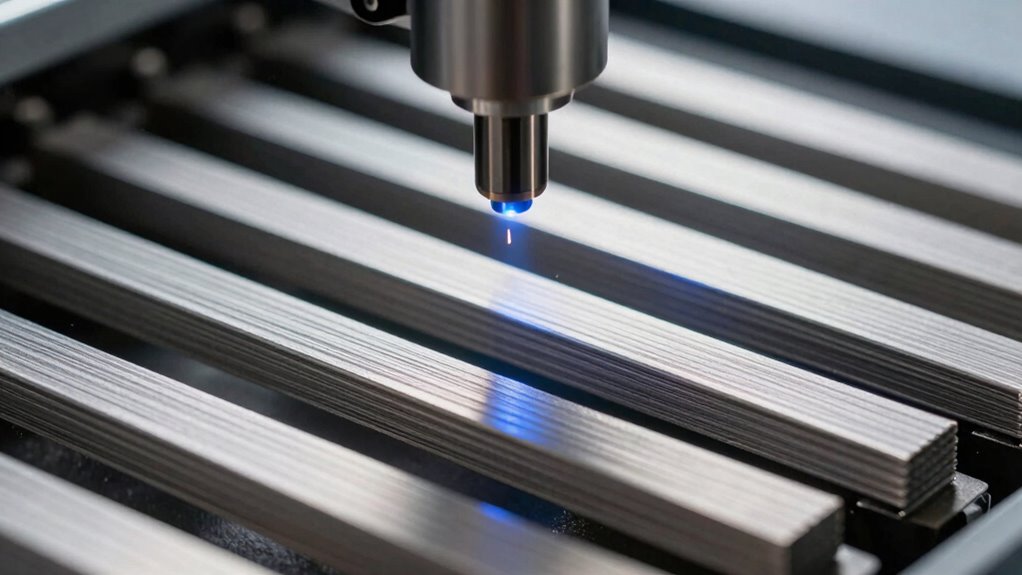

When you increase stack thickness, you’ll notice more material deformation, which makes maintaining precise cuts harder. Thicker stacks cause tools to wear faster, leading to jagged edges and potential misalignments. The process generates more heat, risking material distortion. As you add layers, small errors can pile up, drifting away from your original design. To see how to manage these challenges effectively, keep exploring the factors influencing cutting accuracy.
Key Takeaways
- Thicker stacks increase material deformation, leading to uneven edges and reduced cut precision.
- Increased thickness causes more tool wear, resulting in jagged cuts and decreased accuracy.
- Multiple layers require longer or multiple passes, raising the risk of misalignment and cumulative errors.
- Heat generated during cutting thick stacks can soften or warp materials, impacting accuracy.
- Small inaccuracies in thicker stacks tend to compound, making precise cuts more challenging.

When working with stacks of material, understanding how thickness affects cutting accuracy is essential for achieving precise results. As you increase the number of layers, you introduce variables that can compromise the quality of your cut. Thicker stacks tend to cause more material deformation, which can lead to uneven edges or incomplete cuts. When the layers are compressed or pressed together, the material may bend or shift, making it harder for your tool to maintain a consistent cutting path. This deformation not only affects the accuracy but can also impact the overall finish of your work.
In addition to deformation, thicker stacks put extra strain on your cutting tools, leading to increased tool wear. As the tool encounters more material per pass, it experiences higher friction and stress, which accelerates the dulling process. This wear can cause your tool to lose sharpness faster, resulting in jagged edges and less precise cuts over time. You might find yourself needing to replace or sharpen your tools more frequently, which adds to your operational costs and downtime. Proper tool maintenance can help extend your equipment’s lifespan and maintain cutting precision. Additionally, selecting the appropriate cutting tools designed for thicker stacks can help minimize wear and improve results.
Furthermore, the increased thickness can affect the cutting process itself. When cutting through multiple layers, your machine may need longer or multiple passes to complete the job. Each pass introduces an opportunity for slight misalignments or shifts, which compound as the stack grows thicker. These small inaccuracies can accumulate, leading to a final cut that drifts away from your intended design. The more layers involved, the greater the chance of cumulative errors, which diminishes overall precision. Additionally, cutting parameters such as speed and power may need adjustment to accommodate thicker stacks effectively. Properly managing layer alignment is also vital to ensure consistent and accurate cuts.
You should also consider that thicker stacks tend to generate more heat due to increased friction, which can further distort the material and influence the cutting quality. Excess heat can soften or warp the material, making it more susceptible to deformation during the cut. This distortion can cause your cut to be uneven or inaccurate, especially if the heat isn’t properly managed. Moreover, the accumulation of heat can lead to thermal expansion, which affects the dimensions of the material during cutting. Implementing effective cooling techniques or heat management strategies can help mitigate these issues.
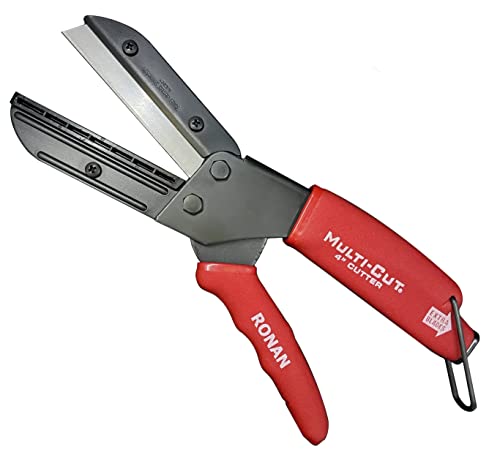
Ronan Multi-Cut 401 Cutting Tool – For Soft Wood, Cardboard, Plastic, Rope, Leather & DIY Materials – Not for Hardwood or Compressed Wood
- Enhanced Cutting Mechanism: Different from traditional scissors for thick materials
- Versatile Usage: Cuts plastic, leather, hoses, wood dowels, and more
- Clean, Precise Cuts: High impact plastic anvil prevents splintering and fraying
As an affiliate, we earn on qualifying purchases.
As an affiliate, we earn on qualifying purchases.
Frequently Asked Questions
How Does Ambient Temperature Influence Stack Thickness and Cutting Precision?
Ambient temperature influences stack thickness and cutting precision through thermal expansion, which causes materials to expand or contract based on temperature changes. When temperatures rise, materials may expand, increasing stack thickness and potentially reducing cutting accuracy. Conversely, cooler temperatures cause contraction, decreasing thickness. Material variability also plays a role, as different materials react differently to temperature shifts. You need to account for these factors to maintain consistent, precise cuts.
What Tools Are Best for Measuring Stack Thickness Accurately?
Think of measuring stack thickness like tuning a fine instrument—you need precision. You should use high-quality measuring instruments like micrometers or digital thickness gauges for accuracy. Regular calibration techniques guarantee your tools stay reliable, preventing errors that could skew your measurements. These tools help you gauge the stack’s exact thickness, ensuring your cuts are precise. Accurate measurements lead to better cutting performance and consistent results.
Can Material Type Affect How Stack Thickness Impacts Cutting Accuracy?
Material type definitely influences how stack thickness impacts cutting accuracy. Different material properties, like density and hardness, cause variations in cut quality and precision. Thicker stacks of softer materials may cut more smoothly, while harder or denser materials can lead to increased cutting variations. You need to adjust your tools or settings accordingly, considering material properties, to guarantee consistent, accurate cuts regardless of stack thickness.
How Often Should Stack Thickness Be Checked During a Cutting Process?
Checking your stack thickness is like tuning a fine instrument—precision matters. You should verify it at regular intervals, especially during long cuts or when material conditions change. Aim for calibration frequency based on your equipment’s stability, ideally every few hours or after any noticeable shift. This guarantees measurement consistency, helping maintain cutting accuracy and preventing errors caused by unnoticed variations in stack thickness.
Does Operator Experience Influence the Effect of Stack Thickness on Cutting Quality?
Operator skill considerably influences how stack thickness impacts cutting quality. With better technique and consistent adjustments, you can compensate for variations in stack thickness, maintaining precision. Less experienced operators may struggle, leading to inconsistencies and reduced accuracy as thickness fluctuates. Your technique variability directly affects the outcome, so honing your skills guarantees more reliable cuts regardless of stack thickness, improving overall quality and reducing errors.

Twotrees TTS-10 Pro Laser Engraver,10000mW High Precision Laser Engraving
- High-Power Laser: 10000mW blue diode laser for deep engraving
- Large Work Area: 300x300mm engraving surface
- Versatile Material Compatibility: Engraves wood, acrylic, leather, and more
As an affiliate, we earn on qualifying purchases.
As an affiliate, we earn on qualifying purchases.
Conclusion
Understanding how stack thickness impacts cutting accuracy helps you choose the right settings and materials. Keep in mind, even the best tools from yesteryear, like a trusty guillotine, require proper adjustments for ideal results. Don’t forget, the key to precision lies in balancing your stack’s thickness with your cutting parameters. With a bit of practice, you’ll be slicing through stacks with the finesse of a seasoned artisan, making accuracy your new best friend.

CANOPUS Single Edge Industrial Razor Blades, 100% Made in USA, Heavy Duty Straight Edge Razors, Box & Carton Cutter Replacement Blades, Glass & Paint Scraper Razor Blades (Box of 100)
- Material: High carbon steel and chrome vanadium
- Durability: Strong and long-lasting
- Sharpness: Laser sharpened for precision
As an affiliate, we earn on qualifying purchases.
As an affiliate, we earn on qualifying purchases.
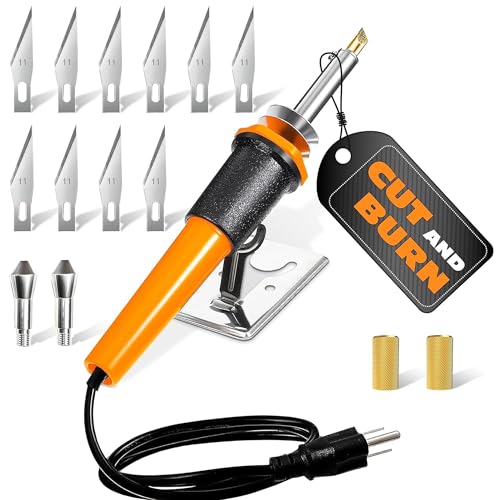
Hot Knife Plastic Cutter Tool Set; 30W Power Draw; 55 in Long Cable
- Complete DIY Kit: Includes hot knife, blades, holders, and stand
- Fast Heating Time: Warms up in approximately 25 seconds
- Stable and Precise Cuts: Ensures clean, chip-free cuts
As an affiliate, we earn on qualifying purchases.
As an affiliate, we earn on qualifying purchases.