
📊 Full opportunity report: Siemens Is Betting The Factory Floor Is Where AI Actually Pays on ThorstenMeyerAI.com — validation score, market gap, and execution plan.
TL;DR
Siemens is investing heavily in industrial AI, emphasizing factory-floor applications over chatbots. Its partnership with NVIDIA aims to create an AI operating system for manufacturing, leveraging proprietary industrial data.
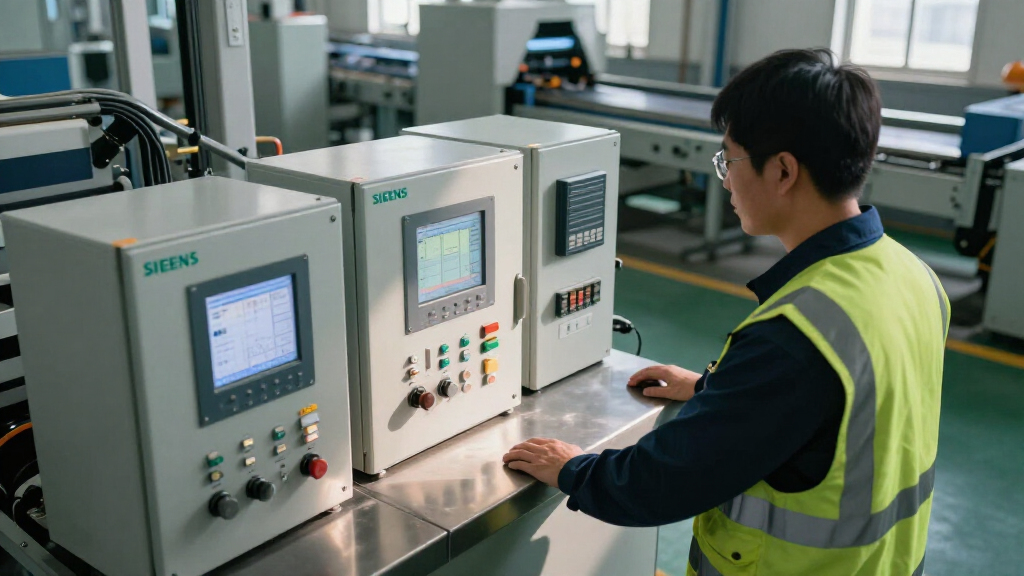
Siemens has revealed a major strategic shift toward applying artificial intelligence directly on the factory floor, emphasizing physical-world applications over chat-based AI. This move involves a partnership with NVIDIA to develop an Industrial AI Operating System designed to embed AI across manufacturing and industrial processes, aiming to reshape the future of industrial automation.
During CES 2026, Siemens announced its plan to build the Industrial Foundation Model (IFM), a specialized AI designed to process 3D models, engineering drawings, sensor telemetry, and automation data. The goal is to optimize manufacturing, engineering, and automation workflows by leveraging proprietary industrial data collected over decades.
The company’s collaboration with NVIDIA centers on creating an AI platform that accelerates simulation, supports physics-based models, and enables real-time digital twin optimization. Siemens plans to launch a fully AI-driven, adaptive manufacturing site in Erlangen, Germany, in 2026, which will serve as a blueprint for global deployment.
Siemens claims its advantages include access to proprietary, domain-specific data and deep industrial expertise, giving it an edge over generalist AI labs. The company also benefits from existing customer relationships with major manufacturers such as PepsiCo and Audi, facilitating the integration of AI tools into ongoing operations.
The factory floor,
not the chat window.
Siemens’ bet: the biggest untapped AI value is physical — machines, factories, infrastructure — and 175 years of industrial data plus NVIDIA compute beats any frontier lab there. The vehicle: an Industrial Foundation Model and an “Industrial AI Operating System.”
A different language than text
Proprietary + physical data no frontier lab can scrape — the same “specialist beats generalist” logic this week keeps documenting, applied to steel and silicon.
Honest bull / bear
Bull
- Proprietary physical data no lab can replicate
- Domain expertise IS the barrier to entry
- Customers (PepsiCo, Audi) already in the base — warm motion
- Generative simulation: digital twins that engineer, not just mirror
Bear
- The “OS” runs substantially on NVIDIA’s stack — American silicon under a European champion
- No validated performance metrics or timelines disclosed at CES
- Geological sales cycle: decade-scale replacement
- “Industrial AI” now crowded (Palantir, Qualcomm moving in)

Manufacturing AI: Building the Data Foundation for the Next Industrial Revolution
As an affiliate, we earn on qualifying purchases.
As an affiliate, we earn on qualifying purchases.
Impact of Factory-Focused AI on Manufacturing Industry
This development signifies a strategic shift in industrial AI, emphasizing the importance of domain-specific models trained on proprietary physical-world data. Siemens’ focus on factory-floor applications could accelerate automation and efficiency in manufacturing, potentially transforming supply chains and industrial productivity. The partnership with NVIDIA underscores the reliance on advanced hardware and simulation libraries, which may shape future industrial AI ecosystems.
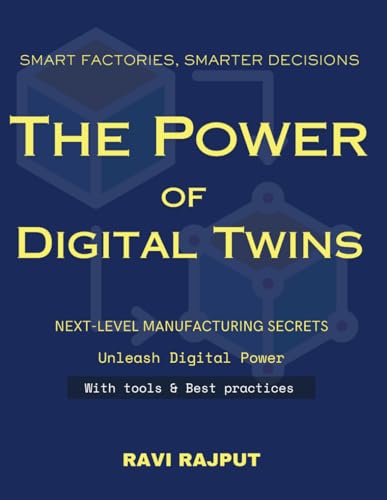
Smart Factories, Smarter Decisions: The Power of Digital Twins: Revolutionizing Manufacturing with Digital Twins | Digital Twins for Beginners | Future Factory Digital Twins | Smarter Manufacturing
As an affiliate, we earn on qualifying purchases.
As an affiliate, we earn on qualifying purchases.
Background of Siemens’ Industrial AI Strategy
Siemens has long been a leader in industrial automation and digitalization, with decades of experience and vast data assets from factory operations worldwide. The company announced the Industrial Foundation Model at Hannover Messe 2025, signaling its intent to develop AI tailored specifically for physical industrial contexts. The push aligns with broader industry trends toward digital twins, simulation, and autonomous manufacturing, but Siemens emphasizes its unique advantage through proprietary data and domain expertise.
The partnership with NVIDIA, announced in early 2026, aims to leverage GPU-accelerated simulation and physics-based models, building on NVIDIA’s existing AI and simulation frameworks to create an integrated platform for industrial use.
“Industrial AI is no longer a feature; it’s a force that will reshape the next century.”
— Roland Busch, Siemens CEO

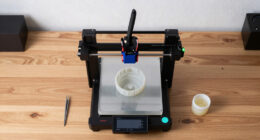
3D Printing For Dummies
As an affiliate, we earn on qualifying purchases.
As an affiliate, we earn on qualifying purchases.
Uncertainties About Deployment and Performance Validation
While Siemens has announced ambitious plans and partnerships, specific details on hardware configurations, deployment timelines, and validated performance metrics remain undisclosed. It is unclear how quickly the AI platform will be adopted across industrial sites, given the long sales cycles typical in manufacturing. The actual impact of the AI models on operational efficiency is still to be demonstrated in real-world settings.
sensor telemetry data analysis tools
As an affiliate, we earn on qualifying purchases.
As an affiliate, we earn on qualifying purchases.
Next Steps for Siemens’ Industrial AI Initiatives
Siemens plans to launch its fully AI-driven factory in Erlangen in 2026, serving as a prototype for broader deployment. The company will also introduce Digital Twin Composer and nine industrial copilots across various industries, with performance and impact metrics expected to emerge over the coming year. Monitoring these developments will be key to assessing the platform’s effectiveness and adoption rate.
Key Questions
What is Siemens’ Industrial Foundation Model?
The Industrial Foundation Model (IFM) is Siemens’ specialized AI designed to process industrial data such as 3D models, drawings, and sensor telemetry to optimize manufacturing and engineering workflows.
How does Siemens’ partnership with NVIDIA support its AI goals?
The partnership provides GPU-accelerated simulation, physics-based AI models, and an integrated platform to develop and deploy industrial AI applications, enabling real-time digital twin optimization and generative simulation.
When will the first AI-driven factory be operational?
Siemens aims to launch its fully AI-driven, adaptive manufacturing site in Erlangen, Germany, in 2026, with plans to replicate this model globally.
What are the main challenges Siemens faces in deploying this AI platform?
Key challenges include long industrial sales cycles, the need for validated performance metrics, and ensuring the platform integrates seamlessly into existing manufacturing systems.
Why is Siemens focusing on factory-floor AI rather than chatbots or language models?
Siemens believes the most valuable AI applications are in physical industrial environments, where models trained on proprietary, domain-specific data can directly improve manufacturing efficiency and automation.
Source: ThorstenMeyerAI.com