
When choosing between packaging film and aluminum foil, consider their material properties and environmental impact. Packaging films, made from plastics like polyethylene, are lightweight, flexible, and cost-effective but are less biodegradable and depend on local recycling facilities. Aluminum foil offers excellent barrier protection, durability, and is highly recyclable, though it has a higher initial cost and energy footprint. To understand which option suits your needs best and learn about their sustainability, explore the details further.
Key Takeaways
- Packaging films are lightweight, flexible, and cost-effective, while aluminum foil offers superior barrier properties and durability.
- Plastic films have lower manufacturing energy but are less environmentally friendly due to non-biodegradability; aluminum foil is recyclable but energy-intensive to produce.
- Recycling aluminum foil is highly effective and preserves material quality, whereas plastic film recycling depends heavily on local infrastructure.
- Films are suitable for budget-conscious applications, whereas aluminum foil is preferred for long-term sustainability and product protection.
- Advancements in packaging materials expand options, but choice depends on environmental priorities, recycling capabilities, and specific product needs.

When choosing the right packaging material, it’s important to understand the differences between packaging film and aluminum foil. Both materials serve crucial functions in protecting products, but they differ markedly in their environmental impact and cost efficiency. Your choice can influence not only the quality and safety of your packaging but also the sustainability and expenses associated with it. Packaging film, typically made from plastics like polyethylene or polypropylene, offers a lightweight and flexible option. Its environmental impact is generally lower in terms of resource extraction because manufacturing involves less energy compared to aluminum foil. However, since plastics are not biodegradable, improper disposal can lead to long-term pollution, making recycling and waste management critical considerations. If you prioritize eco-friendliness, you’ll want to evaluate local recycling facilities for plastic films, as not all regions process these materials efficiently. On the other hand, aluminum foil, made from a highly recyclable metal, boasts excellent environmental credentials when recycled properly. Aluminum’s recyclability means you can recover and reuse a significant portion of the material without losing quality, reducing waste and conserving resources. Nevertheless, producing aluminum foil is energy-intensive, which raises concerns about its overall environmental footprint if recycling isn’t maximized. From a cost-efficiency standpoint, packaging film tends to be more economical initially. It’s cheaper to produce and purchase, and its lightweight nature can reduce shipping costs. This makes it an attractive choice for large-scale packaging operations where budget constraints are tight. Additionally, films are easy to mold and customize, allowing for versatile applications that can further save costs through material savings. Conversely, aluminum foil has higher upfront costs due to the expense of raw materials and manufacturing processes. While its durability and barrier properties can reduce product spoilage, which might save money in terms of less waste, the initial investment and ongoing recycling costs can add up. If your operations prioritize long-term sustainability and cost savings through recycling, aluminum foil can be advantageous, especially if you have established recycling systems in place. Additionally, advancements in high-performance packaging materials are expanding the options available to consumers and manufacturers. Ultimately, your decision should weigh the environmental impact against your budget constraints, considering factors like local recycling capabilities, product shelf life, and the scale of your packaging needs. Both materials have their strengths and weaknesses, and understanding these differences will help you make an informed choice that aligns with your sustainability goals and financial considerations.
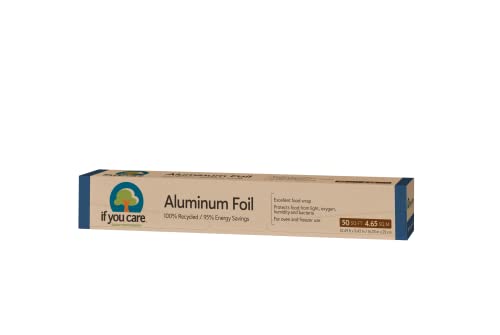
If You Care 100% Recycled Aluminum Foil – 50 FT
LESS MESS: Comes as a pack of one 50 sq. ft. roll of Aluminum Wrap. Use as a…
As an affiliate, we earn on qualifying purchases.
As an affiliate, we earn on qualifying purchases.
Frequently Asked Questions
Which Material Is More Environmentally Friendly?
You’ll find that packaging film is generally more environmentally friendly because it often has better biodegradability, breaking down faster in nature. Aluminum foil, on the other hand, requires more energy consumption during production and isn’t biodegradable, which can harm ecosystems. If reducing your environmental impact is your goal, choosing biodegradable packaging film helps lessen waste and energy use, making it a smarter option for sustainability.
How Do Costs Compare Over Long-Term Use?
You might think aluminum foil’s costly, but over time, its durability actually boosts cost efficiency. While packaging film appears cheaper upfront, it often needs frequent replacement, driving up long-term expenses. So, ironically, spending a little more on aluminum foil can save you money in the long run, thanks to its resilience and longevity. You get better value, less hassle, and fewer surprises — making it the smarter choice financially.
Can Packaging Film Be Recycled as Easily as Aluminum Foil?
You can recycle packaging film, but the process is often more complicated than recycling aluminum foil. The recycling process for film requires proper cleaning and separation from other materials, as contamination can hinder recycling efforts. Aluminum foil, on the other hand, is easier to recycle because it’s less prone to material contamination and can be melted down and reused more efficiently. So, while both are recyclable, foil generally has a smoother recycling process.
Which Material Offers Better Barrier Properties for Moisture?
Aluminum foil offers better moisture resistance and barrier effectiveness than packaging film. Its dense metal structure blocks moisture, gases, and light more effectively, keeping products fresher longer. Packaging films can vary in their barrier properties, but generally, they don’t match aluminum foil’s superior moisture resistance. If you need reliable moisture protection, aluminum foil is the better choice, providing a stronger barrier to maintain product quality.
Are There Safety Concerns With Using Either Material?
You might worry about safety concerns with packaging materials, but both film and aluminum foil are generally safe when used correctly. They help prevent food contamination and ensure handling safety by acting as effective barriers. Just make certain of proper storage and handling, and follow manufacturer guidelines. Aluminum foil can sometimes cause cuts, while films need to be puncture-resistant. Overall, both materials are safe options for food packaging when used responsibly.
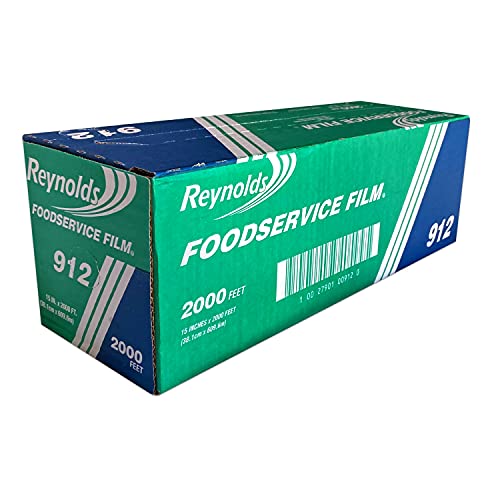
Reynolds 912 Foodservice Clear Plastic Wrap Film, 15 inch Width, 2000 Feet
Continuous roll of foodservice plastic wrap is 2000 feet long x 15 inches wide
As an affiliate, we earn on qualifying purchases.
As an affiliate, we earn on qualifying purchases.
Conclusion
So, when you choose between packaging film and aluminum foil, think of it as picking the right dance partner. The film glides smoothly, flexible and transparent like a gentle breeze, while the foil shines bright with strength and resilience like a sturdy shield. Both have their rhythm, their purpose, their charm. Your choice depends on the dance you’re about to perform—protect, preserve, and present. Whichever you pick, you’re choreographing a perfect wrap for your needs.

Glad 50% Plant Based Cling N Seal Plastic Wrap for Food, Airtight Seal, 200 Square Foot Roll (Pack of 1)
2X FRESHNESS PROTECTION: Expect the same great Glad quality with this 50% plant-based wrap, which extends foods' freshness…
As an affiliate, we earn on qualifying purchases.
As an affiliate, we earn on qualifying purchases.

Reynolds Wrap Heavy Duty Aluminum Foil Roll, Thick Heavy Duty Foil for Added Strength and Durability, Secure Easy Open and Close Tab, 12 Inches Wide, 50 Sq. Ft.
Package Includes: One (1) Reynolds Wrap Heavy Duty Aluminum Foil Roll measuring 50 feet long by 12 inches…
As an affiliate, we earn on qualifying purchases.
As an affiliate, we earn on qualifying purchases.