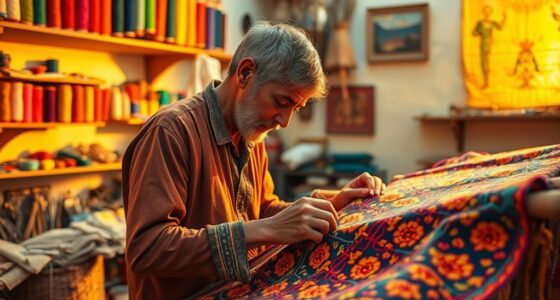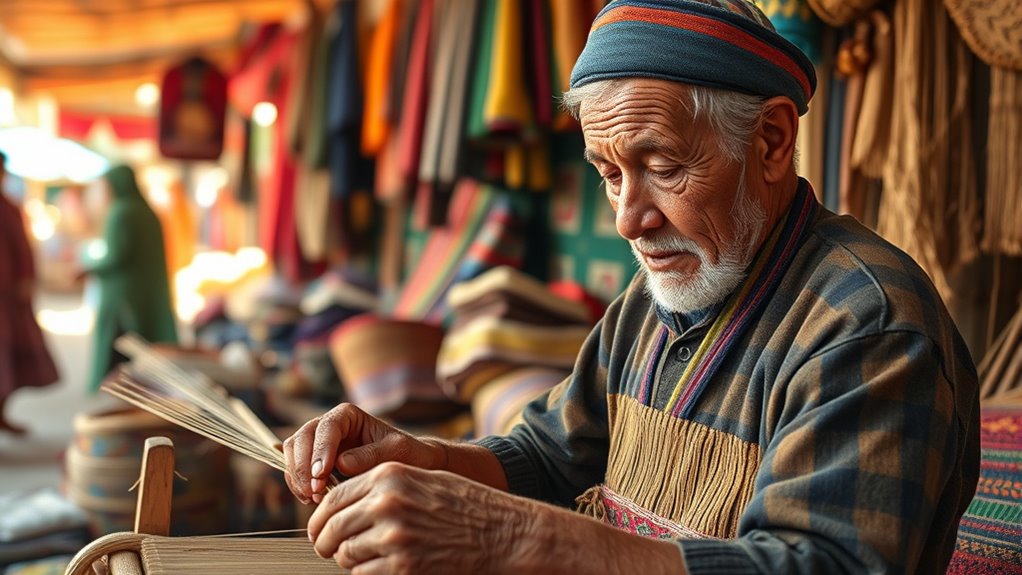

Documenting intangible cultural heritage involves capturing living traditions, such as oral tales, music, rituals, and craftsmanship, to guarantee they’re preserved for future generations. You can work with local communities to accurately record practices and foster pride in their culture. Using digital tools allows these traditions to transcend time and geography. By engaging communities, you help assure respectful, authentic preservation that adapts with the times. If you explore further, you’ll discover more ways to protect these essential cultural elements.
Key Takeaways
- Digital preservation captures and shares living cultural traditions through videos, audio recordings, and digital archives.
- Community involvement ensures authentic, accurate documentation of oral traditions, rituals, and craftsmanship.
- Combining digital tools with community efforts creates dynamic, evolving archives reflecting living cultures.
- Preserving intangible heritage fosters cultural identity, continuity, and intergenerational dialogue.
- Community engagement helps prevent misrepresentation and maintains control over digital cultural data.
Have you ever wondered how we can conserve the rich traditions and practices that define our cultural identity? The answer lies in effective documentation and preservation efforts that focus not just on artifacts but on the living expressions of culture—things like oral traditions, rituals, music, and craftsmanship. These intangible elements are essential to understanding who we are, yet they’re often fragile and easily lost as communities evolve or face external pressures. That’s why digital preservation has become a powerful tool in safeguarding these traditions. By capturing videos, audio recordings, and digital archives, you can create lasting records that transcend time and geographic boundaries. Digital tools allow you to store and share cultural practices with a broader audience, ensuring that even if a tradition fades locally, its essence remains accessible worldwide.
Digital preservation captures and shares living cultural traditions, safeguarding our heritage for future generations worldwide.
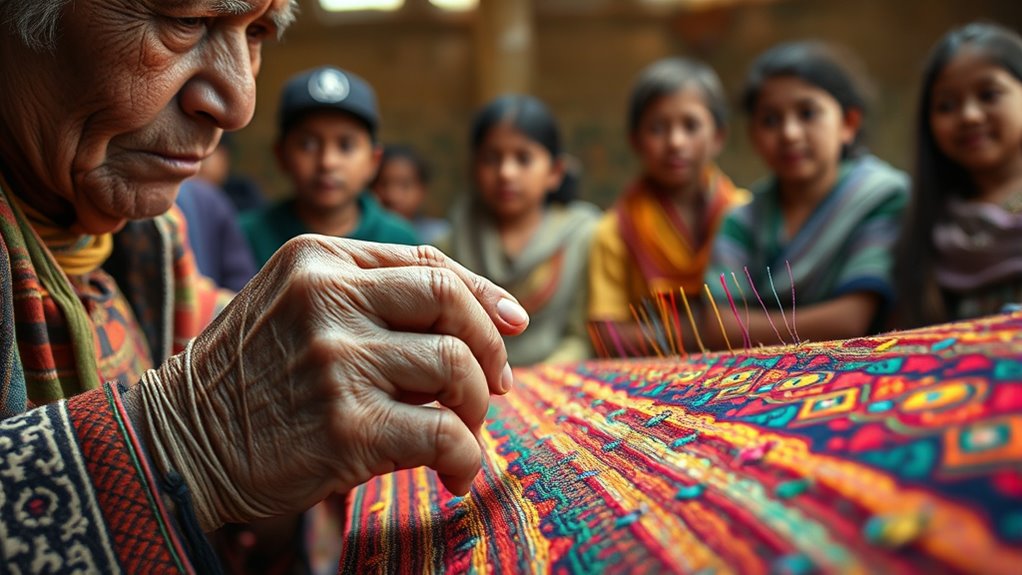
But technology alone isn’t enough. Community engagement is equally critical. When you involve local communities in documenting their heritage, you empower them to take ownership of their cultural legacy. This process encourages participation and guarantees the accuracy and authenticity of the information gathered. For example, you might collaborate with elders, artisans, or performers who hold traditional knowledge. Their firsthand accounts and insights add depth and context that no outsider could provide. When community members actively participate, they become stewards of their own heritage, fostering a sense of pride and responsibility that helps preserve these practices for future generations.
Engaging communities also helps unearth lesser-known traditions that might otherwise be overlooked. Often, these practices are deeply personal or specific to a small group, and only through their involvement can these nuances be preserved authentically. By using digital preservation methods in tandem with community-driven efforts, you create a dynamic archive that reflects the living nature of culture. This approach ensures that documentation isn’t just a one-time recording but an ongoing, participatory process that evolves with the community.
Furthermore, community engagement helps in making the preservation process culturally sensitive and respectful. It encourages dialogue, allowing communities to decide what to document and how it should be represented. This participatory approach prevents misrepresentations and promotes a more accurate portrayal of their traditions. Incorporating cookies and privacy preferences into the process ensures that communities maintain control over their digital representations and how their data is used. Ultimately, by combining digital preservation with active community engagement, you help guarantee that intangible cultural heritage continues to thrive, adapt, and inspire future generations. It’s a way of honoring the past while embracing the future—preserving the essence of cultural identity in a rapidly changing world.

64GB Digital Voice Recorder with Playback: Voice Activated Recorders for Lectures Meetings Interviews – EVISTR Dictaphone Recording Device Tape Recorder Portable Mini, Audio Recorder with USB, MP3
Uncomparable Recording Quality: After the new upgrade, the EVISTR L357 digital voice recorder adopts a dynamic noise reduction…
As an affiliate, we earn on qualifying purchases.
As an affiliate, we earn on qualifying purchases.
Frequently Asked Questions
How Do Communities Participate in Documenting Their Intangible Heritage?
You actively participate in documenting your intangible heritage through community engagement, sharing stories, traditions, and practices that are meaningful to you. By recording cultural storytelling and collaborating with others, you help preserve your heritage for future generations. Your involvement guarantees that traditions remain alive and accurately represented, fostering a sense of pride and continuity within your community. This collective effort makes the documentation authentic and reflective of your cultural identity.
What Challenges Arise in Preserving Oral Traditions?
You face the challenge of preserving oral traditions as if holding a fragile butterfly in your hands. The risk of loss of authenticity feels like a tidal wave, eroding the stories and skills that define your culture. Language decline acts like a slow, creeping shadow, threatening to make these traditions vanish into silence. You must act quickly, recording and nurturing these stories before they fade forever into memory’s abyss.
How Is Technology Used to Record Intangible Cultural Practices?
You use technology like digital storytelling and virtual reality to record intangible cultural practices effectively. Digital storytelling captures personal narratives and community histories, making them accessible and engaging. Virtual reality immerses users in cultural environments, preserving rituals and performances vividly. These tools help you overcome challenges of preservation, ensuring traditions are documented accurately and can be experienced by future generations, even if the practices evolve or fade over time.
Who Are the Key Stakeholders Involved in Documentation Efforts?
Like a tapestry woven with many threads, your role in documenting intangible heritage involves key stakeholders. These include community members who preserve cultural transmission, cultural anthropologists, archivists, local leaders, and policymakers. Together, they guarantee that traditions and practices are accurately recorded and protected. Your active participation helps sustain intangible heritage, fostering its transmission across generations and safeguarding the rich cultural fabric that defines communities worldwide.
How Do Legal Frameworks Support Intangible Cultural Heritage Preservation?
Legal frameworks support intangible cultural heritage preservation by providing legal recognition and establishing policy frameworks that protect these traditions. You benefit from laws that safeguard cultural expressions, ensuring communities maintain their identity. These policies create clear guidelines for documentation, safeguarding, and promoting intangible heritage. By aligning legal recognition with effective policy frameworks, you help secure resources, encourage community participation, and ensure that cultural practices are preserved for future generations.

4K Digital Camera for Photography Auto-Focus Vlogging Camera for YouTube Video with 3'' 180° Flip Screen 16X Anti-Shake 4K Camera Compact Cameras with SD Card, Flash, 2 Batteries
UPGRADED 4K DIGITAL CAMERA WITH FLASH & SELF-VLOGGING : This digital camera uses the latest & advanced CMOS…
As an affiliate, we earn on qualifying purchases.
As an affiliate, we earn on qualifying purchases.
Conclusion
By documenting intangible cultural heritage, you help preserve traditions that might otherwise fade away. Imagine recording a local dance, like the Maasai jumping dance, so future generations can learn and celebrate it. Your efforts ensure these vibrant customs stay alive, inspiring communities worldwide. Through careful documentation, you become a guardian of cultural diversity, making sure these unique expressions continue to thrive long after today. Keep capturing these stories—your work safeguards our shared human legacy.

Digitally Archiving Cultural Objects
As an affiliate, we earn on qualifying purchases.
As an affiliate, we earn on qualifying purchases.

Community Engagement Director: Journal, Notes, Ideas, Actions, Priorities, Checklists, Log | Tool for Daily Goal Setting Tracker | Time Management | … | Project Office Book Gifts for Meetings
As an affiliate, we earn on qualifying purchases.
As an affiliate, we earn on qualifying purchases.