
Pigment inks last longer than dye inks because they contain solid particles that resist fading, UV rays, and environmental damage. While dye inks offer vibrant, vivid colors initially, they are water-soluble and fade faster over time. If you want prints that maintain their quality and durability, pigment inks are the better choice. To learn how environmental factors and maintenance affect longevity, keep exploring these options further.
Key Takeaways
- Pigment inks contain solid particles that anchor to paper fibers, providing superior fade resistance and environmental durability.
- Dye inks are more soluble and vibrant initially but fade faster when exposed to light, moisture, and pollutants.
- Pigment inks typically have higher material stability and include stabilizers, extending print longevity.
- While dye inks offer bright, vivid colors, pigment inks deliver more consistent, long-lasting color quality over time.
- Proper storage in cool, dark, sealed environments maximizes the lifespan of pigment-based prints, making them more durable long-term.
What Are Pigment and Dye Inks, and How Do They Differ?
Pigment and dye inks are two main types of inks used in printing and writing, each with distinct compositions and properties. Pigment ink contains tiny solid particles suspended in the ink, giving it excellent chemical stability and longevity. Its composition ensures the ink resists fading and environmental factors over time. The resistance to environmental factors of pigment ink makes it ideal for archival purposes and outdoor printing. Additionally, pigment inks generally have a longer colorfastness compared to dye inks, making them suitable for projects requiring durability. Dye ink, on the other hand, is made of soluble color molecules dissolved in a liquid carrier. While dye inks generally produce more vibrant colors, their chemical stability is lower, making them more prone to fading when exposed to light or air. The differences in ink composition directly influence how well each type holds up over time. Understanding these fundamental distinctions helps you choose the right ink for your specific printing or writing needs. Chemical stability is a key factor in determining the durability of the print.
How Do Composition and Materials Impact Ink Durability?
The composition and materials of ink directly determine how well it withstands environmental challenges over time. Your choice of ink composition affects its resistance to fading, water, and UV rays. Pigment inks, made with solid particles, have a higher material impact that enhances durability, making them less prone to deterioration. Dye inks, on the other hand, consist of dissolved color molecules that are more susceptible to fading and environmental damage. The materials used in the ink influence its overall longevity — for example, high-quality binders and stabilizers can improve resistance. Material stability is essential for maintaining print quality over extended periods. Additionally, the presence of UV stabilizers in the ink formulation can significantly improve resistance to sunlight, further extending the lifespan of prints. Incorporating chemical resistance into ink formulations can also help protect prints from environmental pollutants and chemicals. Understanding how composition impacts durability helps you select inks suited for long-lasting prints, especially when exposure to sunlight, moisture, or harsh conditions is expected. The inclusion of environmental resilience properties in ink formulations is crucial for ensuring your prints stay vibrant and intact over time. Moreover, advancements in ink technology continue to improve durability and performance across various applications.
Which Ink Lasts Longer: Pigment or Dye?
When it comes to longevity, pigment inks generally outlast dye inks because their ink composition includes solid particles that resist fading and environmental damage more effectively. These particles anchor to paper fibers, providing better protection against UV rays, moisture, and pollutants. Additionally, pigment inks are often formulated with UV-resistant properties, further enhancing their durability over time. The chemical stability of pigment inks also makes them less prone to chemical reactions that can cause discoloration or degradation. While dye inks tend to have higher color vibrancy initially, they are more susceptible to fading over time due to their water-soluble nature. This means that even if dye inks produce bright, vivid colors at first, they may not endure as long as pigment inks. If you want your prints to last and resist discoloration, choosing pigment ink is usually the better option. Their durability outweighs the initial color vibrancy, especially for archival or outdoor applications. Additionally, proper ink maintenance can further extend the lifespan of your printed materials. Understanding the factors that influence ink longevity, such as exposure to light and environmental conditions, can help you select the most suitable ink type for your needs. Selecting the right type of ink based on printing environment can make a significant difference in the longevity of your prints.
How Do Color Quality and Vibrancy Compare Between Pigment and Dye Inks?
How Do Color Quality and Vibrancy Compare Between Pigment and Dye Inks?
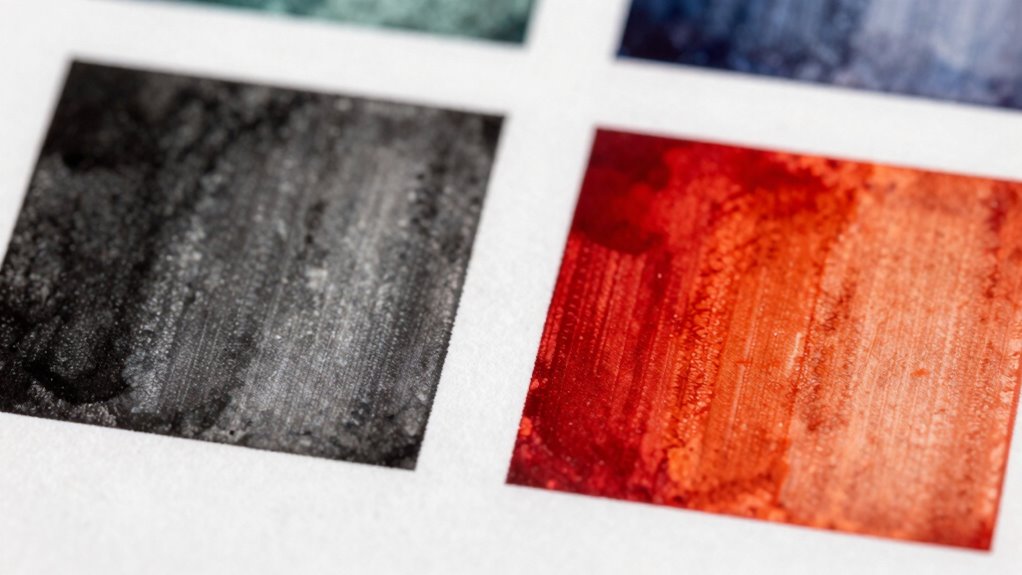
When comparing pigment and dye inks, you’ll notice differences in color brightness and depth that impact your prints. Dye inks often produce more vibrant, eye-catching colors, while pigment inks tend to offer richer, more subdued tones. Consider how fade resistance and longevity influence your choice, especially if your prints need to stay vivid over time. Additionally, understanding color accuracy can help you select the ink type that best matches your desired visual outcomes. Exploring temperature treatments like hot or cold therapy can also influence how certain inks perform over time, especially under varying environmental conditions. It’s also important to consider ink stability in different storage and usage scenarios to ensure your prints maintain their quality. Moreover, the composition of each ink type affects how well they adhere to different surfaces and resist environmental stressors. Recognizing the environmental impact of ink materials can guide more eco-friendly choices and ensure the longevity of your prints in various conditions.
Color Brightness and Depth
Are pigment and dye inks noticeably different in their color brightness and depth? Yes, they often are. Dye inks tend to produce brighter, more vibrant colors because of higher color vibrancy and ink saturation. This results in images that pop and appear more lively. In contrast, pigment inks usually offer deeper, richer tones with a more subdued brightness, giving prints a more subtle and sophisticated look. To understand the differences better:
- Dye inks provide higher color vibrancy, making images look more vivid.
- Pigment inks offer greater depth, adding richness to shadow areas.
- Ink saturation in dye inks often results in brighter, more eye-catching prints.
- Pigment inks tend to produce more nuanced color gradations.
- The choice influences whether you prioritize vividness or depth in your prints.
Fade Resistance and Longevity
Pigment inks generally outlast dye inks when considering fade resistance and longevity, making them a better choice for archival and long-term display purposes. Their superior chemical stability resists UV exposure and environmental factors that cause fading. Additionally, pigment inks have slower ink absorption, which helps maintain color vibrancy over time. Dye inks, by contrast, tend to fade faster because they’re more susceptible to chemical breakdown and environmental damage. To illustrate, here’s a comparison:
| Feature | Pigment Ink | Dye Ink |
|---|---|---|
| Ink Absorption | Slower, retains vibrancy | Faster, can fade quicker |
| Chemical Stability | High, resistant to UV damage | Lower, more vulnerable |
| Longevity | Longer-lasting, archival | Shorter lifespan |
This table highlights why pigment inks generally provide more durable, vibrant prints over time.
What Factors Affect Fade Resistance in Printing Inks?
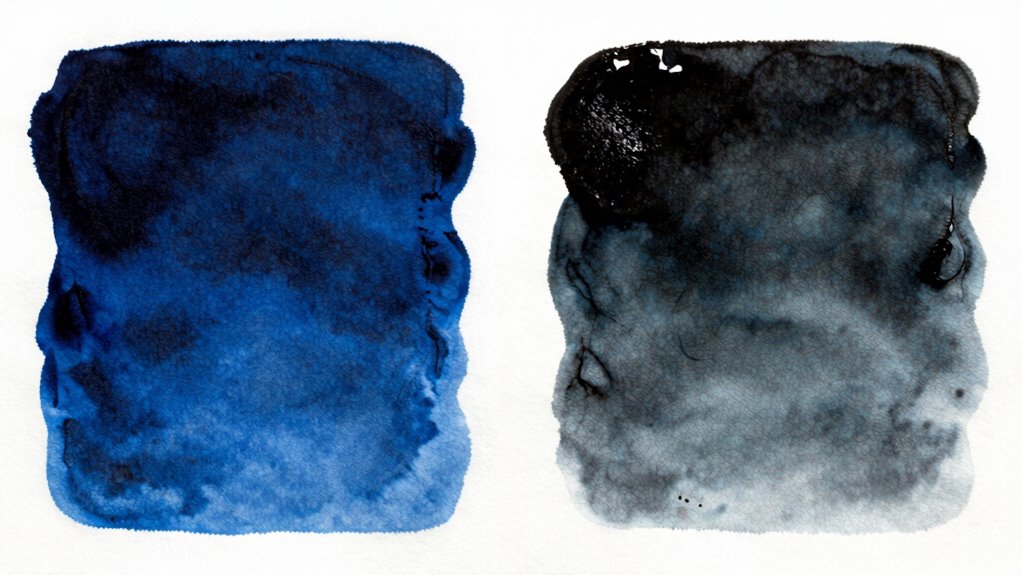
Several factors influence how well printing inks resist fading over time. UV resistance is critical because prolonged sun exposure can break down ink pigments or dyes, causing fading. pH stability also matters; inks that maintain consistent pH levels prevent chemical breakdown that weakens color integrity. Other key factors include:
- Lightfastness of the pigment or dye
- Ink formulation and additives
- Surface material and porosity
- Exposure duration and conditions
- Protective coatings or laminates
- Traceability of ink components helps ensure consistent quality and fade resistance. Additionally, selecting inks with UV stabilizers can significantly enhance their longevity under sun exposure. Considering the chemical stability of ink components can also improve overall fade resistance, especially in varying environmental conditions. Understanding ink durability factors can guide better formulation choices for long-lasting prints, and staying informed about environmental impacts is essential for sustainable printing practices.
Is Pigment or Dye Ink More Cost-Effective Over Time?
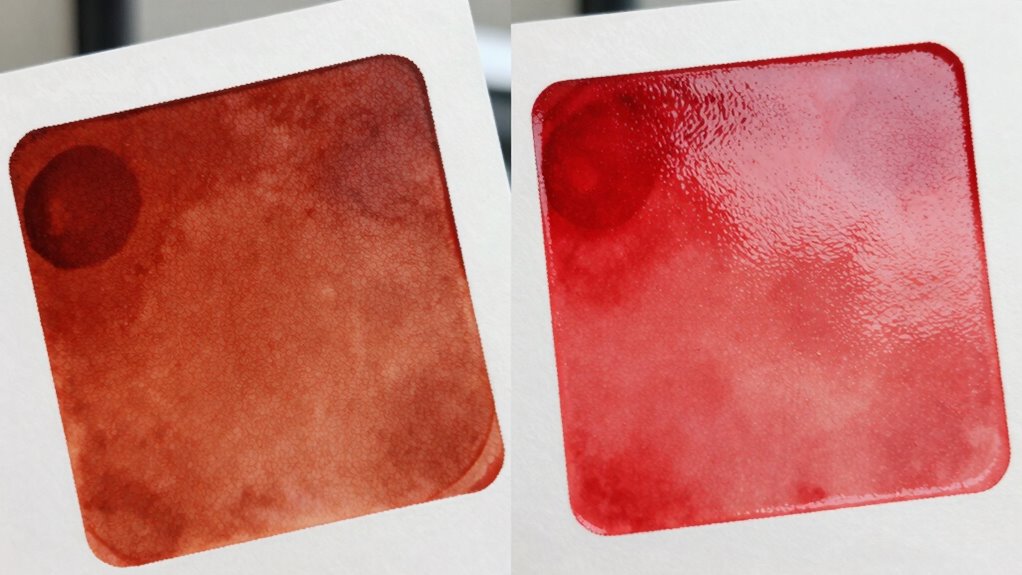
When comparing the long-term cost-effectiveness of pigment and dye inks, it’s important to contemplate more than just their initial prices. A thorough cost comparison considers how long each ink type lasts and the frequency of replacement. Pigment inks, though often more expensive upfront, tend to have better longevity and fade resistance, leading to fewer reprints over time. Dye inks are generally cheaper initially but may require more frequent re-inks because they fade faster and are less durable. Over the long term, pigment inks can offer greater savings by reducing the need for reprints and touch-ups. Additionally, drone imaging requires reliable and long-lasting prints, making pigment inks especially advantageous for professional and archival purposes. If you value long-term savings, investing in pigment ink may be the smarter choice, especially for archival or professional printing needs.
Which Ink Type Is Better for Art, Photography, and Professional Prints?
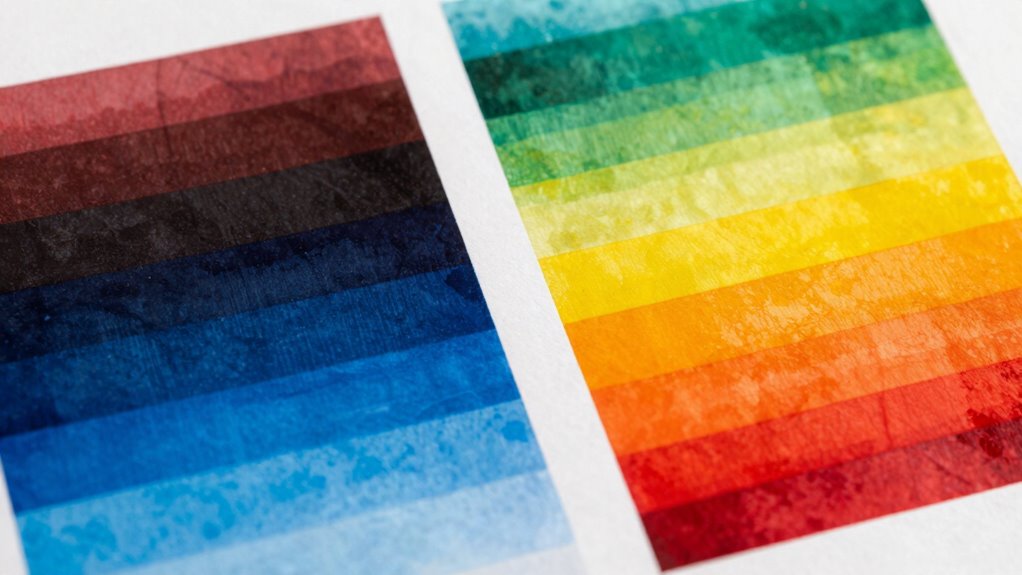
For art, photography, and professional prints, choosing the right ink is essential to guarantee vibrant, lasting results. Pigment inks, with their unique ink composition, provide superior durability and color vibrancy, making them ideal for display-quality work. Dye inks, on the other hand, excel in producing smooth gradations and intense colors, which are great for photographs. Consider these points when selecting ink:
- Pigment inks resist fading over time
- Dye inks offer richer color vibrancy initially
- Ink composition affects longevity and print quality
- Pigment inks are more water and light resistant
- Dye inks provide sharper details for certain images
- The horsepower of electric dirt bikes can influence the quality and durability of the ink on certain substrates, especially in outdoor displays.
Your choice depends on whether longevity or immediate color impact matters most for your project. Both ink types serve different needs, but pigment inks generally better suit art and professional displays.
How Do Environmental Conditions Influence Ink Longevity?
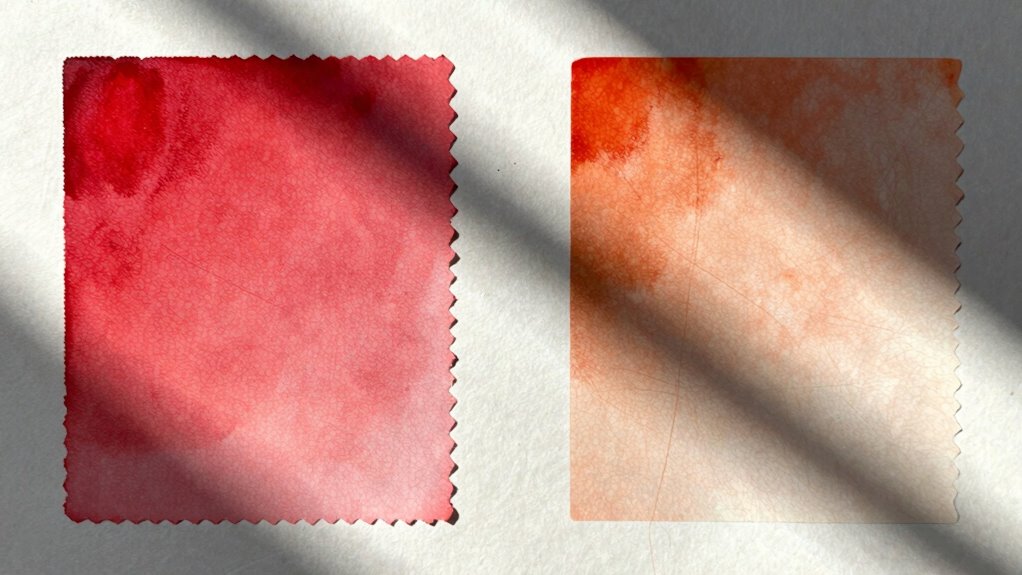
Environmental conditions considerably impact how long ink prints last, regardless of whether you choose pigment or dye ink. Factors like exposure to sunlight, humidity, and temperature play a vital role in ink degradation over time. Ultraviolet (UV) rays from sunlight accelerate fading, especially for dye-based inks, which are more sensitive to light. High humidity can cause mold growth or paper warping, speeding up deterioration. Conversely, extreme temperatures can cause inks to crack or peel. Proper environmental control helps protect your prints, preserving their color and clarity longer. By understanding how environmental factors influence ink longevity, you can better safeguard your artwork or photographs and guarantee your prints remain vibrant for years to come.
How Can You Maintain and Store Ink to Maximize Its Lifespan?

To maximize the lifespan of your ink, proper maintenance and storage are essential. Understanding ink formulation helps you choose the right storage techniques to prevent drying out or degradation. Keep ink bottles tightly sealed after each use to minimize exposure to air. Store ink in a cool, dark place away from direct sunlight and temperature fluctuations. Avoid shaking or agitating bottles excessively, as this can affect ink consistency. Always use clean tools to prevent contamination. Label containers clearly to track expiration dates. Proper storage techniques preserve ink quality, ensuring vibrant color and longevity. Remember, consistent care extends the lifespan of your ink, saving you money and maintaining print quality over time.
Which Ink Should You Choose Based on Your Printing Needs?
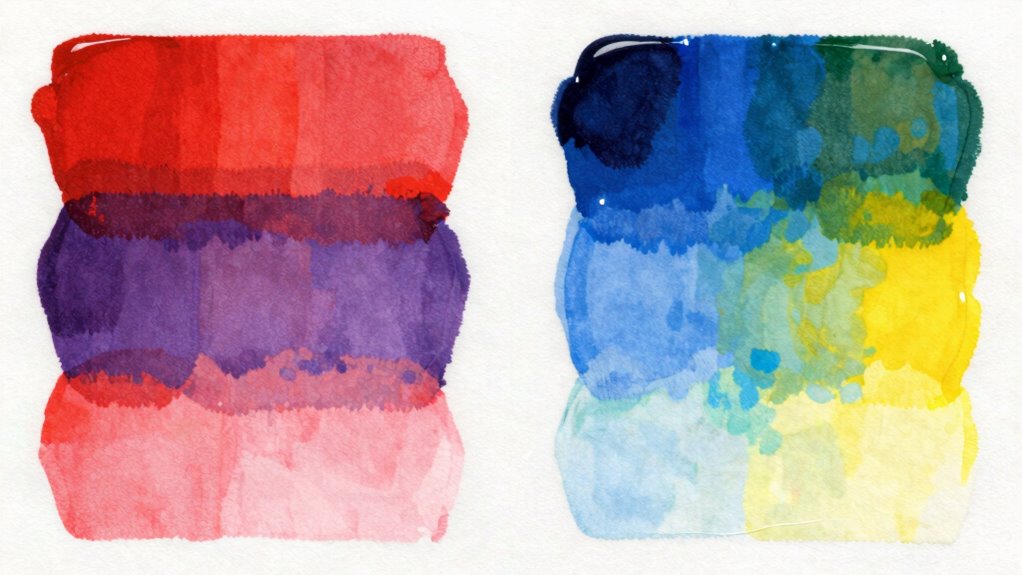
Choosing the right ink depends on your specific printing needs and the type of project you’re working on. If you need vibrant, sharp images with quick ink absorption, dye ink might be your best choice, especially for casual prints or photographs. Dye inks tend to deliver brighter colors but may lack long-term color consistency. Conversely, pigment ink offers superior color stability and durability, making it ideal for archival prints or items that require longevity. Consider how important color consistency is for your project; pigment inks maintain their hues over time, while dye inks can fade faster. Evaluate the surface you’ll be printing on, as ink absorption varies—some papers absorb dye inks quickly, affecting their vibrancy. Your decision should align with your priorities for appearance, durability, and the type of media used.
Frequently Asked Questions
How Do Ink Formulations Affect Overall Print Longevity?
Your ink formulation markedly impacts print longevity by enhancing UV stability and chemical resistance. Pigment inks, with their larger particles, resist fading from sunlight and are less affected by chemicals, making your prints last longer. Dye inks, however, tend to fade faster because they’re more susceptible to UV damage and chemical exposure. Choosing inks with strong formulations for UV stability and chemical resistance ensures your prints stay vibrant and durable over time.
Are There Environmental Factors That Accelerate Ink Degradation?
Sunlight and humidity can really speed up ink degradation. UV exposure causes colors to fade faster, while high humidity promotes mold and paper deterioration. If you don’t protect your prints, they’re more likely to become a fading memory. To keep your prints vibrant, store them in a cool, dry place and avoid direct sunlight. Think of your prints like delicate flowers; with proper care, they’ll last much longer.
Can Printing Techniques Influence Ink Durability?
Yes, printing techniques can influence ink durability. For example, using UV-resistant coatings helps prevent color fading caused by sunlight exposure. Techniques like proper curing and applying protective layers can also enhance UV resistance, making prints more resistant to environmental factors. By choosing the right printing methods, you can considerably improve the longevity of your prints, ensuring they stay vibrant and durable over time.
What Role Does Paper Quality Play in Ink Lifespan?
Your paper quality plays a vital role in ink lifespan, especially through its texture and color absorption. A smooth, high-quality paper reduces ink spread and enhances durability, while a textured surface can trap ink, protecting it from fading. When your paper absorbs color evenly, your prints last longer. Choosing the right paper guarantees that your ink stays vibrant and intact, preserving your images over time.
How Do Archival Standards Impact Ink Selection?
Archival standards guide your ink choice by emphasizing colorfastness testing and fade resistance analysis, ensuring your prints last decades without fading. You should select inks that meet rigorous archival criteria, especially pigment inks, which typically score higher in durability. By adhering to these standards, you guarantee your prints remain vibrant and intact over time, making them suitable for long-term storage or display.
Conclusion
Ultimately, selecting between pigment and dye inks hinges on your printing needs. Think of it like planting a tree—you get to decide if you want quick blooms or lasting shade. If durability and longevity matter most, pigment inks are your best bet. But if vibrant colors and cost are key, dye inks might suit you. Remember, a wise gardener knows that the right foundation guarantees a beautiful, lasting garden. Choose wisely and print with confidence.