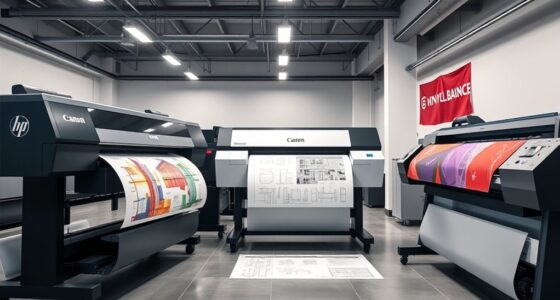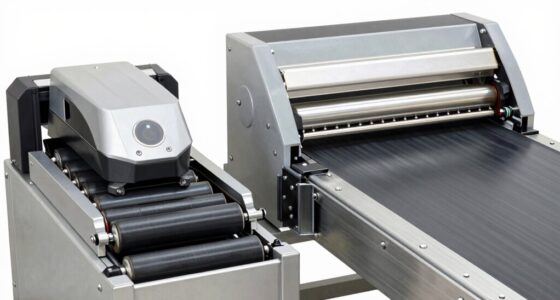
When choosing between mounting and laminating, consider what problem you’re solving. If you want your print to have more structure and rigidity for display, mounting is the best option. If you need protection against water, scratches, and UV fading, laminating offers a waterproof, easy-to-clean finish. Each method suits different preservation needs and budgets. Keep exploring to discover which solution fits your specific protection and display goals best.

Get business pricing on monitors, keyboards and dev gear
- Business-only prices and quantity discounts
- Tax-exempt purchasing
- Multiple users, one account, clear invoices
Key Takeaways
- Mounting provides structural support and rigidity, ideal for framing and display, while lamination offers waterproofing and scratch resistance.
- Lamination creates a sealed, easy-to-clean surface with UV protection, suitable for outdoor or high-traffic environments.
- Mounting is more cost-effective and straightforward, suitable for quick display needs or budget-conscious preservation.
- Use mounting when needing enhanced support; choose lamination for added protection against water, dirt, and UV fading.
- Consider display conditions, durability requirements, and budget to determine whether structural support or surface protection is the priority.
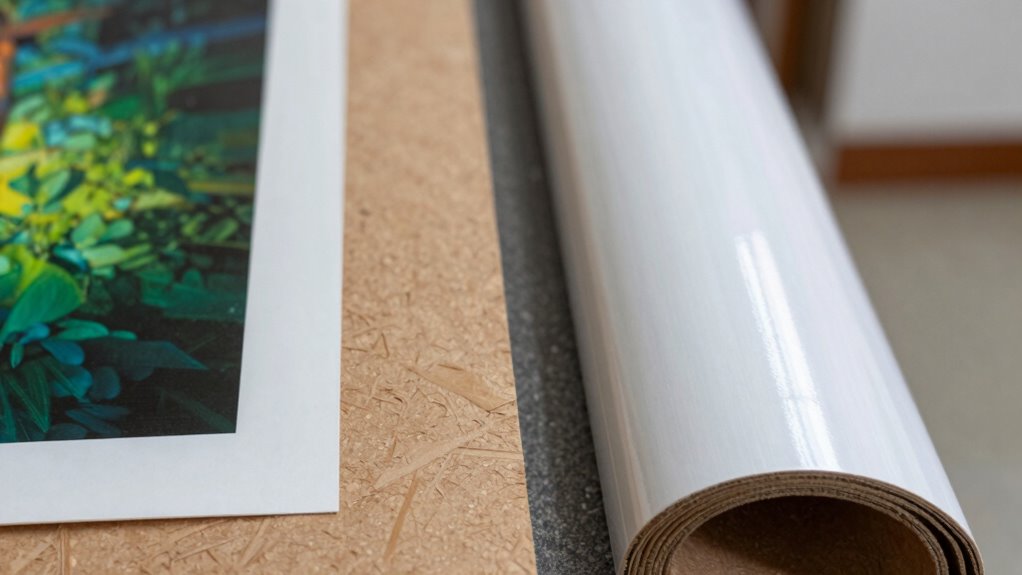
Have you ever wondered whether mounting or laminating your prints is the better choice for preserving and displaying your artwork or photos? Both options serve to protect your pieces, but they do so in different ways and with distinct advantages. When deciding, consider what problem you’re trying to solve—whether it’s safeguarding against damage, enhancing appearance, or managing costs. Mounting involves affixing your print to a sturdy backing, like foam board or acrylic, which provides structure and rigidity. Laminating, on the other hand, encases your print between layers of plastic, offering a smooth, glossy finish that’s easy to clean and handle. Your choice hinges on what you value most: durability, appearance, or budget.
Choosing between mounting and laminating depends on your needs for protection, appearance, and budget.
UV protection is an essential factor when choosing between mounting and laminating. Both methods can incorporate UV-resistant materials, but laminates often come with specialized coatings designed specifically to block harmful ultraviolet rays. This helps prevent fading over time, especially if your artwork or photos are displayed in direct sunlight. Mounting can also include UV protection if you select a backing or overlay with UV-resistant properties, but it may require additional steps or materials. Ultimately, if UV protection is a top priority, look for options that explicitly mention UV-resistant features, regardless of whether you choose mounting or lamination. Additionally, understanding the UV protection capabilities of each method can help you make a more informed decision for long-term preservation.
Cost comparison is another key aspect. Generally, mounting is more straightforward and can be less expensive, especially if you’re doing it yourself with basic materials like foam core and adhesive. Professional mounting might add to the cost, but it often remains more economical than lamination, which involves purchasing or paying for a lamination process that uses special films and equipment. Laminating can be pricier because it provides a sealed, waterproof layer that’s excellent for protecting against moisture, fingerprints, and scratches. So, if your main goal is cost-effective preservation for a few prints, mounting might be the better choice. However, if you want a highly durable, waterproof surface with added UV protection, investing in lamination could be worthwhile, even if it costs a bit more.
In the end, your decision depends on your specific needs—whether you prioritize protection from UV rays, budget constraints, or the desired aesthetic finish. Both mounting and laminating are effective tools, but understanding the problem you want to solve helps you choose the right method. Consider the long-term durability of each option and how well it aligns with your display environment. Think about where and how you’ll display your prints, how much protection they need, and what your budget allows. This way, you’ll make a more informed choice that keeps your artwork safe and looking great for years to come.
As an affiliate, we earn on qualifying purchases.
Frequently Asked Questions
Which Method Is More Environmentally Friendly?
Laminating is generally less eco-friendly because it often uses plastic films that aren’t recyclable, contributing to waste. Mounting prints with eco-friendly materials, like recycled boards or biodegradable adhesives, is a greener choice. You can also consider recycling options for mounting materials or choosing sustainable lamination options. Overall, mounting with eco-conscious materials tends to be more environmentally friendly, especially if you prioritize recycling and sustainable sourcing.
How Do Mounting and Lamination Affect Print Longevity?
Mounting and lamination both boost print durability, but they do so differently. Mounting helps protect prints from physical damage and environmental factors, extending their lifespan, especially with proper material compatibility. Laminating creates a tight seal that guards against moisture and fading. If you’re concerned about long-term preservation, mounting offers sturdy support, while lamination provides a waterproof barrier. Both methods enhance durability, but choose based on your specific material and display needs.
Can I Combine Mounting and Lamination for Extra Protection?
Yes, you can combine mounting and lamination for extra protection. Doing so enhances adhesive strength, keeping your print securely in place, while also providing a durable, protective surface. Be mindful of surface texture; choose a smooth lamination to avoid bubbles or wrinkles, especially on textured mounts. Combining both methods guarantees your print is well-protected from moisture, UV damage, and handling, making it ideal for long-term display or outdoor use.
What Are the Cost Differences Between Mounting and Lamination?
You might be surprised to find that mounting generally costs more than lamination. The cost comparison hinges on price factors like material quality, size, and whether you choose foam board or a digital print. Mounting involves more labor and materials, making it pricier. Lamination, on the other hand, is usually quicker and cheaper, especially for small or standard-sized prints. Your choice depends on your budget and the durability you need.
How Do I Choose the Best Option for Outdoor Displays?
For outdoor displays, choose laminating to protect your prints from weather, enhancing color vibrancy and preventing fading. Laminates offer a smoother texture, making images appear more vivid and protected against moisture, UV rays, and dirt. Mounting is better for a more textured, dimensional look but isn’t as weather-resistant. If durability and color retention are your priorities, laminating’s your best option to guarantee long-lasting, vibrant outdoor displays.
As an affiliate, we earn on qualifying purchases.
Conclusion
So, whether you’re mounting your prints to give them that gallery-ready look or laminating to protect them from a rogue soda spill, think of it like choosing between a trusty steed and a sleek spaceship. Each method solves a different problem—display or durability. Pick what fits your needs, and don’t forget: in this modern age, a little prep work can save you from a digital “hitch in the giddy-up.” Keep crafting your perfect display!
As an affiliate, we earn on qualifying purchases.
As an affiliate, we earn on qualifying purchases.
Halloween Picks
halloween
As an affiliate, we earn on qualifying purchases.