CO2 lasers use gas to produce infrared beams, ideal for cutting materials like wood, glass, and plastics. Fiber lasers use doped optical fibers, making them better for metals like steel and aluminum, and offering faster, more precise cuts. They also cost less to maintain and are safer. If you want to discover which laser fits your needs and projects best, there’s more to explore below.
Key Takeaways
- CO2 lasers are best for cutting and engraving non-metals like wood and glass; fiber lasers excel with metals such as steel and aluminum.
- Fiber lasers are more energy-efficient, faster, and require less maintenance than CO2 lasers, making them suitable for high-volume work.
- CO2 lasers have a lower upfront cost but may incur higher ongoing maintenance costs compared to fiber lasers.
- Fiber lasers produce less heat and pose fewer safety hazards, making them safer and more suitable for small businesses and beginners.
- The choice depends on material type, project complexity, safety needs, and budget, with CO2 for non-metals and fiber for metals.

OMTech K40+ 45W CO2 Laser Engraver, 12"x8" Desktop Laser Cutter & Engraving Machine for Home Use, LaserGRBL LightBurn Compatible, Adjustable Laser Head Air Assist for Wood Glass More
Global Support, Local Care: Our 24/7 global support team delivers expert assistance, including technical guidance and local demos…
As an affiliate, we earn on qualifying purchases.
As an affiliate, we earn on qualifying purchases.
What Are CO2 Lasers and Fiber Lasers?
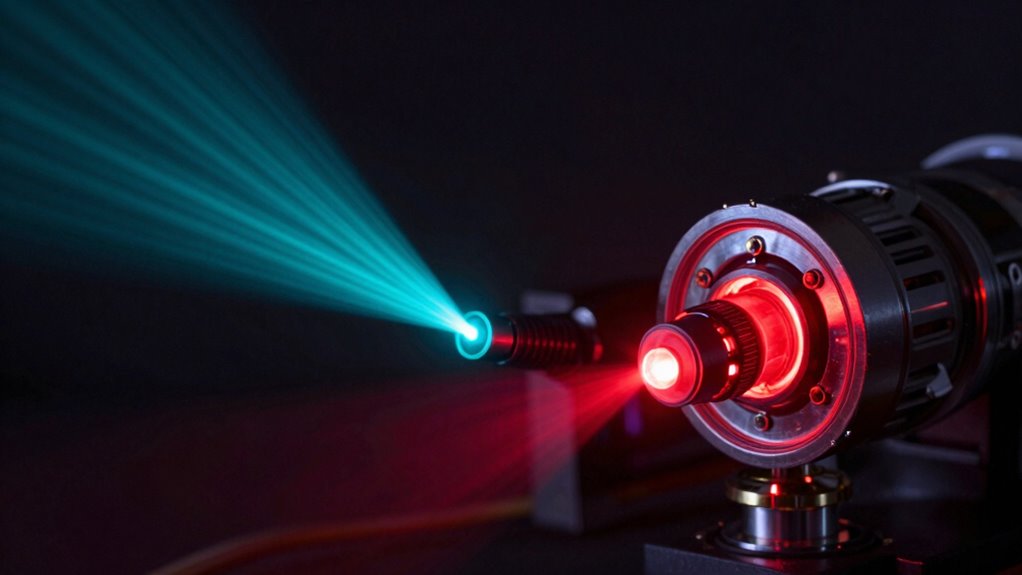
Understanding the differences between CO2 lasers and fiber lasers begins with knowing what each type is. CO2 lasers use a gas mixture to produce a powerful infrared beam, ideal for cutting and engraving non-metal materials. Fiber lasers, on the other hand, employ optical fibers doped with rare-earth elements, making them more energy-efficient and versatile for metal work. Laser safety is vital with both types; CO2 lasers require protective measures due to their high-powered beams, while fiber lasers tend to generate less heat and pose fewer hazards. Energy efficiency varies markedly, with fiber lasers consuming less power and producing less waste heat. Laser safety protocols are essential to prevent accidents and ensure safe operation with both laser types. Knowing these basic distinctions helps you choose the right laser for your needs, ensuring safe operation and peak performance.
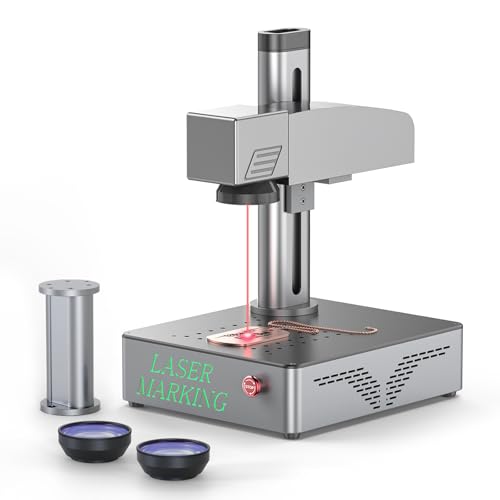
Mr.Carve S4-20W Fiber Laser Marking Machine for Metals&Jewelry&Plastics,Fiber laser engraver with Lightburn compatibility
S4 comes with two replaceable lenses—110mm and 200mm—to accommodate diverse engraving needs. The 110mm lens excels at relief…
As an affiliate, we earn on qualifying purchases.
As an affiliate, we earn on qualifying purchases.
How Do CO2 and Fiber Lasers Work?
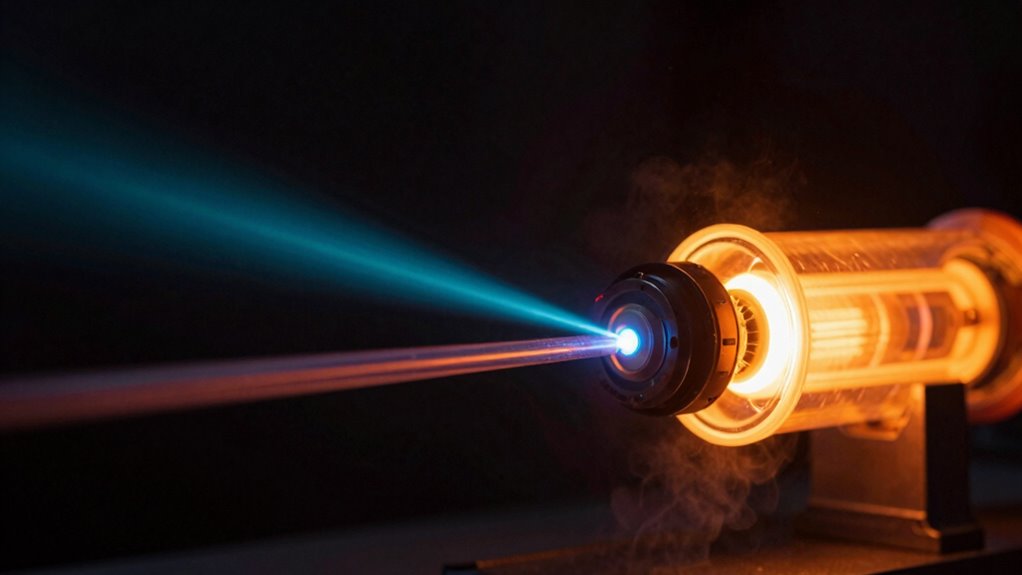
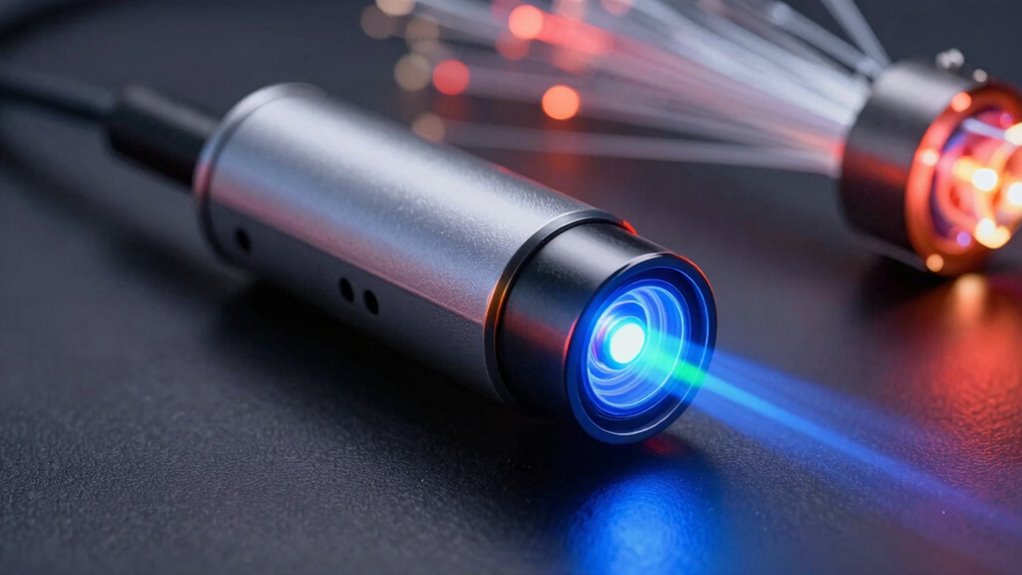
Ever wonder how CO2 and fiber lasers generate their beams? Both types use different mechanisms to produce focused, intense light. CO2 lasers generate a beam by exciting a mixture of carbon dioxide, nitrogen, and helium gases inside a tube, which emits infrared light. Fiber lasers, on the other hand, use a doped optical fiber—usually with ytterbium—to produce laser light through a process called stimulated emission. Laser safety is important with both systems because their high-powered beams can cause eye damage or skin burns. Regarding environmental impact, fiber lasers tend to be more eco-friendly because they consume less energy and produce fewer hazardous gases during operation. Additionally, energy efficiency in fiber lasers makes them a more sustainable choice for many industrial applications. Understanding how these lasers work helps you appreciate their safety considerations and environmental footprints. Additionally, color accuracy in laser systems can be optimized for specific applications, enhancing overall performance and safety.

CARLANY CO2 Laser Eye Protection Glasses, 9000nm-11000nm / 10600nm Wavelength Safety Protective Goggles OD 5+, Filtering Technology by Way of Absorption Safety Goggles for Laser Cutting and Engraving
Optical Density (OD): 5+, Filtering technology by way of absorption. Visible light transmittance(VLT): >90%
As an affiliate, we earn on qualifying purchases.
As an affiliate, we earn on qualifying purchases.
Which Materials Can Each Laser Handle?
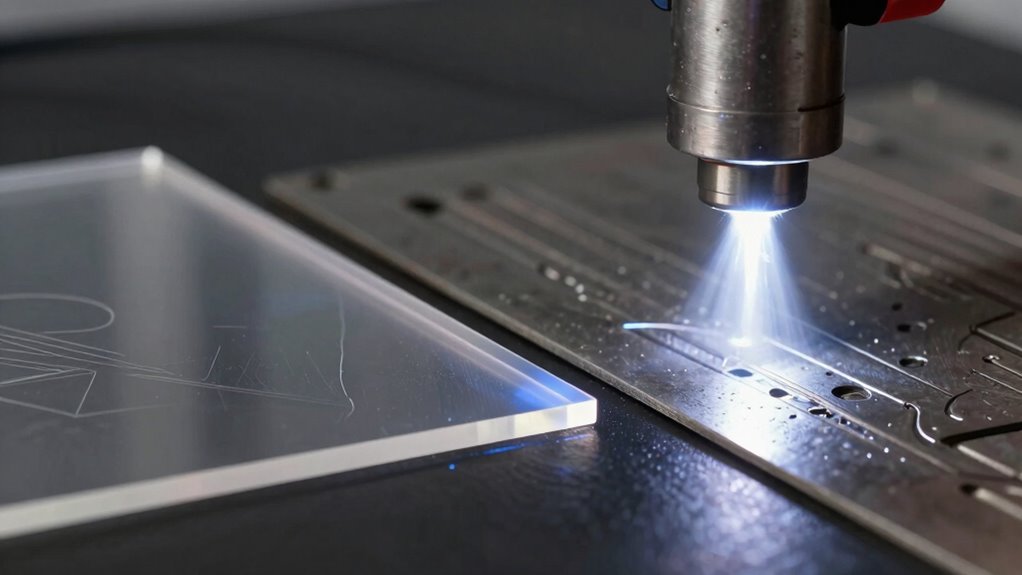
While CO2 lasers handle a broader range of non-metals, fiber lasers shine with metals. Your choice depends on the materials you work with daily. Understanding each laser’s material compatibility helps you pick the right tool for your specific manufacturing or creative needs. Additionally, AI security technologies are increasingly being integrated into surveillance systems to enhance monitoring and threat detection. Recognizing laser safety measures is crucial to prevent hazards during operation and ensure a safe working environment. Being aware of laser material compatibility ensures that you select the appropriate laser type for your material processing requirements, highlighting the importance of material versatility in choosing the right laser. For example, material compatibility plays a key role in achieving precise and efficient results with your laser equipment.

LONGER Laser Engraver Ray5 5W Higher Accuracy DIY Laser Engraving Machine with 3.5" Touch Screen,Offline Usage Laser Cutter,400x400mm,0.08mm Laser Spot, CNC Laser Cutter for Wood Metal Acrylic Glass
【High-Speed Performance,Laser Class II】Equipped with a cutting-edge 240MHz ESP32 chipset, the Longer Ray5 5000MW laser engraver achieves impressive…
As an affiliate, we earn on qualifying purchases.
As an affiliate, we earn on qualifying purchases.
How Do Speed, Precision, and Power Compare?
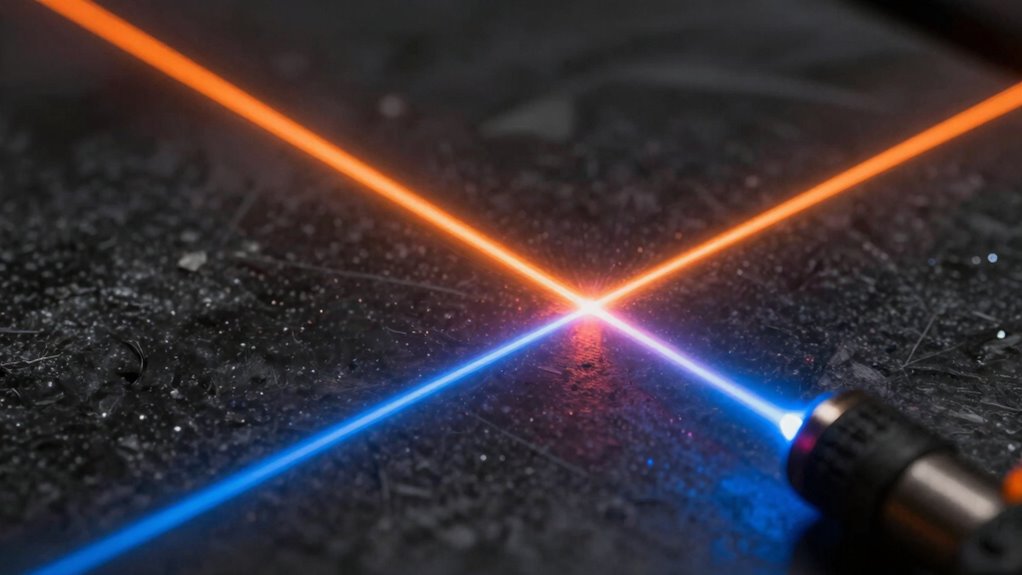
You’ll notice that fiber lasers often cut faster than CO2 lasers, boosting productivity for high-volume tasks. When it comes to precision, fiber lasers generally deliver tighter, more consistent accuracy, especially on small features. Power output varies too, with fiber lasers typically providing higher wattages, making them better suited for thicker materials. Additionally, understanding ethical considerations in choosing laser technologies can influence environmentally conscious decisions. Fiber lasers also tend to be more energy efficient, which can reduce overall environmental impact over time. Moreover, their cost efficiency over the long term can make them a preferable choice for many applications. For example, their maintenance requirements are often lower, leading to reduced downtime and operating costs. Furthermore, fiber lasers often have a smaller footprint, making them suitable for compact workspaces and reducing the need for extensive infrastructure.
Cutting Speed Differences
When comparing cutting speeds, fiber lasers typically outperform CO₂ lasers in both efficiency and throughput. This advantage mainly stems from their superior laser beam coherence, which allows for a more focused and intense beam. The concentrated energy results in faster material removal rates, making fiber lasers ideal for high-volume production. The cutting speed differences are noticeable across various materials and thicknesses, with fiber lasers maintaining consistent performance even at thicker gauges. CO₂ lasers, while still effective, tend to be slower due to their less coherent laser beam, which spreads out more and reduces energy density. Overall, if speed is your priority, fiber lasers offer a significant edge, enabling you to complete jobs quicker without sacrificing quality.
Precision Accuracy Levels
Fiber lasers deliver not only faster cutting speeds but also higher precision compared to CO₂ lasers. This means your cuts are cleaner and more accurate, which is vital for detailed work. Fiber lasers excel in material compatibility, allowing you to work with metals like steel, aluminum, and stainless steel with minimal kerf loss. Their focused beam enables finer detail and tighter tolerances. Additionally, fiber lasers typically have a longer laser lifespan, reducing maintenance and downtime, which keeps your projects on schedule. The focused beam enables finer detail and tighter tolerances. The precision accuracy levels mean you can rely on consistent, high-quality results across various applications. Overall, fiber lasers offer superior accuracy, making them ideal when precision is a top priority, especially for intricate designs and demanding manufacturing standards.
Power Output Variations
While both CO₂ and fiber lasers can achieve impressive speeds, their power output variations markedly influence how quickly and precisely they can cut different materials. The key factors are power capacity and output consistency. Fiber lasers usually offer higher power capacity, making them ideal for thicker or tougher materials, while CO₂ lasers excel in handling delicate tasks with stable output. Variations in power output can affect cut quality and speed. For example, inconsistent output may cause uneven edges or slower processing. You’ll find that fiber lasers tend to have more consistent output, resulting in reliable performance over long runs. Conversely, CO₂ lasers might need more calibration to maintain steady power. Power stability is a critical aspect that determines how well a laser maintains performance during extended operation. Understanding these differences helps you choose the right laser for your specific needs, balancing speed, precision, and material requirements.
What Are the Cost and Maintenance Differences?
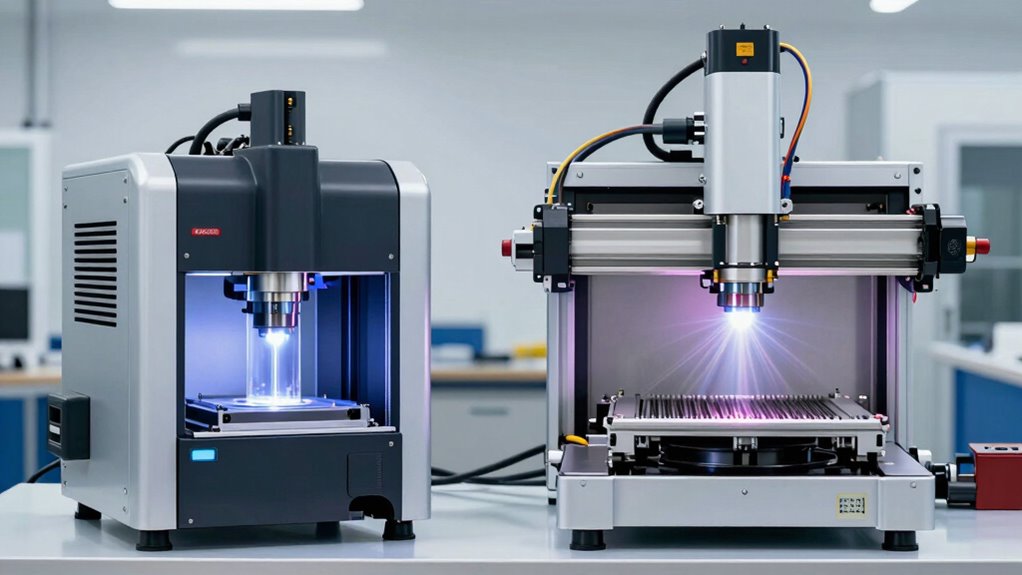
When comparing CO2 and fiber lasers, you’ll notice that the initial purchase costs can vary markedly, with fiber lasers often costing more upfront. However, the ongoing maintenance expenses and operational costs also play a vital role in your long-term investment. Understanding these differences helps you choose the laser that fits your budget and maintenance capacity best. Additionally, choosing a best heat pump can significantly impact your energy efficiency and maintenance needs. Moreover, considering the long-term operational costs of each laser type ensures a more accurate assessment of overall expenses over their lifespan. It is also important to evaluate the complexity of maintenance required for each type to ensure sustained performance and minimize downtime. Furthermore, the ease of maintenance can influence your operational efficiency and the frequency of repairs needed. Proper maintenance, including routine cleaning and monitoring for issues like infection risks, is crucial to keep the lasers functioning optimally and prevent costly repairs.
Initial Purchase Investment
Initially, CO2 lasers tend to have a lower upfront cost compared to fiber lasers, making them an attractive option for businesses with tighter budgets. The initial purchase costs are generally more affordable, and financing options are often more accessible. Additionally, considering the free floating nature of older equipment can help prevent unexpected repairs and downtime. Properly assessing storage and backup needs for laser equipment can also reduce potential data loss or operational disruptions. However, keep in mind that while the initial investment is lower, fiber lasers may offer longer-term savings through reduced maintenance and energy efficiency. When considering your options, think about:
- Lower initial purchase costs for CO2 lasers
- Easier financing options for budget-conscious buyers
- Potential hidden costs with older equipment
- Investment in newer fiber laser technology
- Long-term value versus upfront expenses
Additionally, understanding the hive health and maintenance requirements of each laser type can impact overall operational stability and costs. Balancing these factors helps you decide which laser offers the best value for your specific needs. Remember, the right choice depends on your budget, production goals, and future growth plans.
Ongoing Maintenance Costs
Ongoing maintenance costs differ substantially between CO2 and fiber lasers, impacting your long-term expenses. Fiber lasers generally require less frequent maintenance and have lower service costs, making them more economical over time. CO2 lasers need regular cleaning, mirror alignment, and more frequent laser tube replacements, increasing maintenance frequency. Fiber lasers have solid-state components that last longer, reducing service visits. The table below summarizes these differences:
| Aspect | CO2 Laser | Fiber Laser |
|---|---|---|
| Maintenance Frequency | Higher, more regular | Lower, infrequent |
| Service Costs | Higher, due to parts replacement | Lower, fewer repairs |
Additionally, long-term operational savings associated with fiber lasers can significantly reduce total costs over the lifespan of the equipment. Considering maintenance requirements is essential when evaluating the overall cost-effectiveness of each laser type. Choosing a fiber laser can save you money in the long run with reduced maintenance frequency and service costs.
Which Laser Is Best for Small Businesses and Beginners?
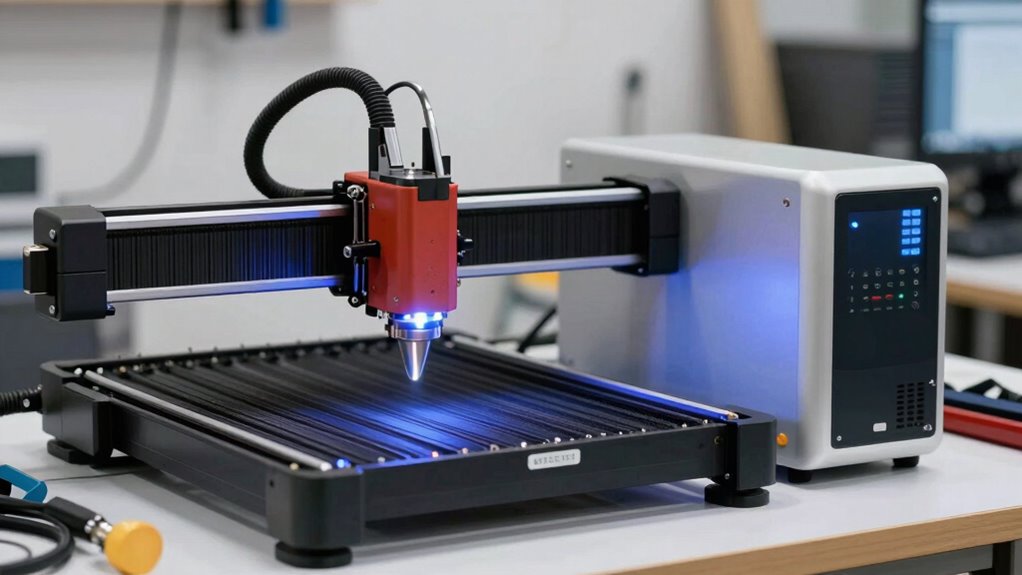
For small businesses and beginners, selecting the right laser depends on your specific needs and budget. If you’re just starting out, look for a laser with strong laser safety features to protect your team. Good customer support is essential for troubleshooting and peace of mind. Fiber lasers are often more user-friendly and require less maintenance, making them ideal for newcomers. CO2 lasers might be better if you plan on working with a wider variety of materials, but they can be more complex to operate. Consider your long-term goals and how much support the manufacturer provides. Keep these points in mind:
Choose a laser that balances safety, support, and ease of use for your small business needs.
- Ease of operation
- Laser safety features
- Customer support quality
- Budget and upfront costs
- Material compatibility
Choosing the right laser helps ensure your business runs smoothly from the start.
How Do You Choose the Right Laser for Your Projects?
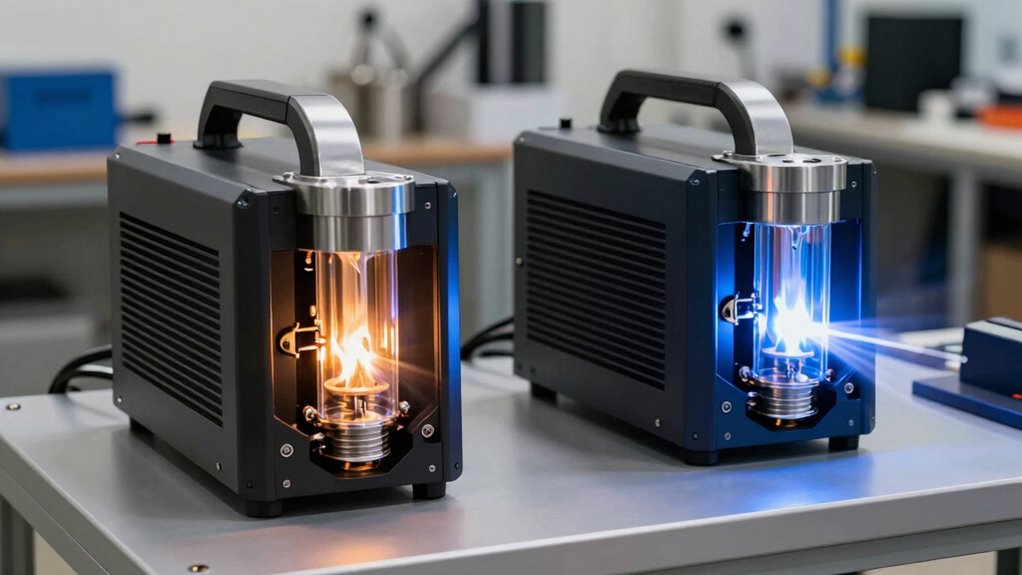
When choosing the right laser for your projects, it’s important to match the machine’s capabilities with the materials you’ll work with and the complexity of your designs. Consider laser safety as a top priority—ensure your setup includes proper protective measures and training. Energy efficiency also plays a vital role; a more efficient laser reduces operating costs and environmental impact. Fiber lasers generally offer higher energy efficiency, making them suitable for repetitive, precise tasks, while CO2 lasers excel with non-metal materials. Think about your primary materials, desired precision, and safety requirements. Selecting the right laser involves balancing these factors to optimize performance, safety, and cost-effectiveness for your specific projects.
Common Applications of CO2 and Fiber Lasers
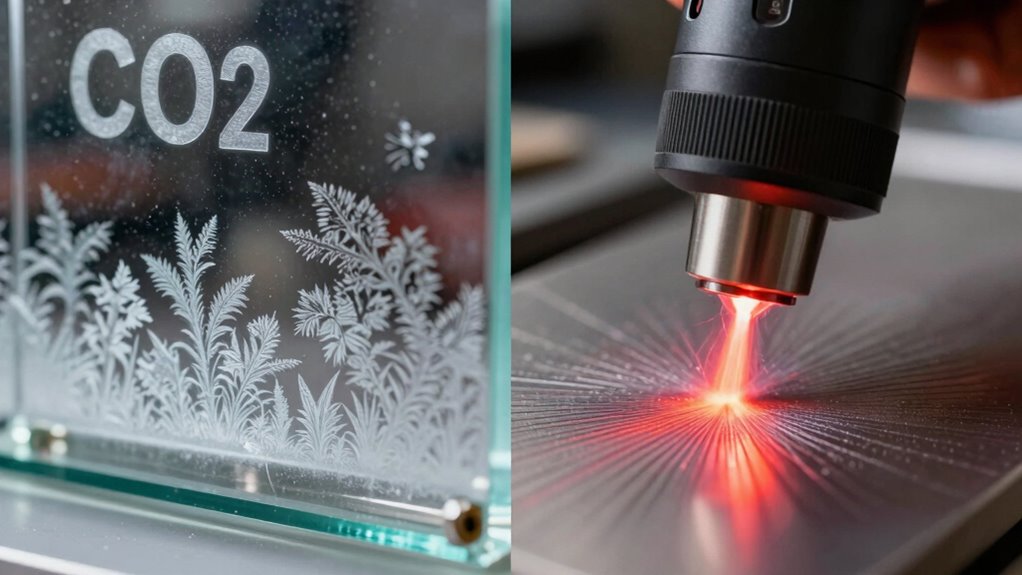
CO2 and fiber lasers each find their niche in a variety of applications, leveraging their unique strengths to meet different industry needs. You’ll find CO2 lasers commonly used in cutting and engraving non-metal materials like wood, acrylic, and glass, thanks to their ability to produce precise, clean results. Fiber lasers excel in metal marking, welding, and fiber optic illumination, where high speed and efficiency matter. They’re also valued for their compact design and lower maintenance. When working with fiber optics, fiber lasers are ideal for delicate tasks requiring precision. Remember, following proper laser safety protocols is essential regardless of your application. Proper safety measures protect you and others, especially in environments involving high-powered lasers or laser-generated light exposure.
Which Laser Is Right for You? A Simple Decision Guide
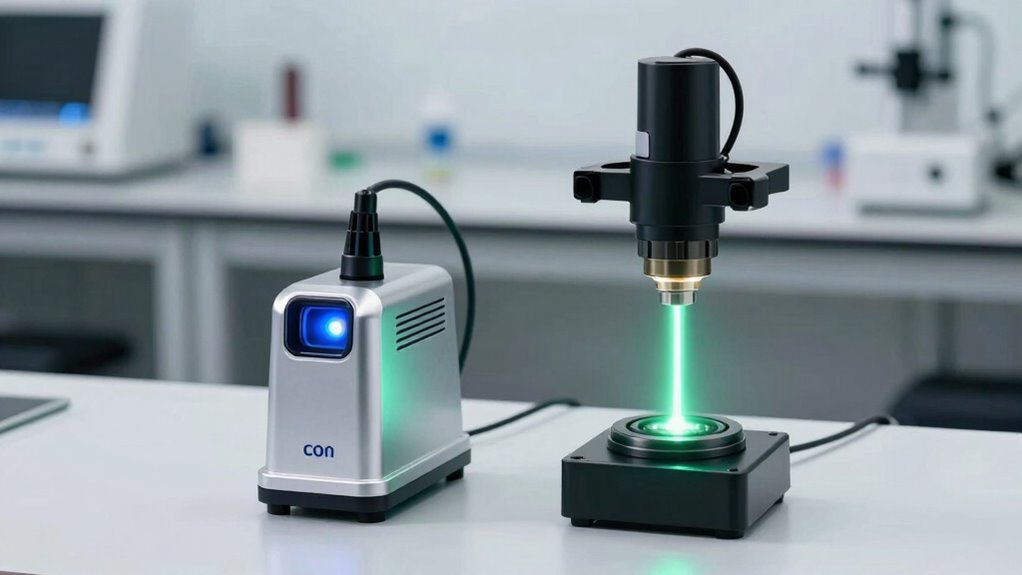
Choosing the right laser depends on your specific project requirements and the materials you plan to work with. If you’re prioritizing precision and working with metals, a fiber laser offers high energy efficiency and fast processing. It’s also easier to maintain and offers better laser safety due to its confined beam. On the other hand, if your projects involve engraving or cutting non-metal materials like wood, acrylic, or fabric, a CO2 laser might be better suited. Consider your focus on laser safety, especially in shared workspaces, and how energy-efficient the system needs to be—fiber lasers generally consume less power. Ultimately, your choice hinges on the materials, safety protocols, and energy considerations that fit your workflow.
Frequently Asked Questions
Are CO2 or Fiber Lasers More Energy-Efficient Overall?
You’ll find fiber lasers more energy-efficient overall because they have lower power consumption and better efficiency metrics. They convert more electrical energy into laser output, reducing waste and saving energy costs. CO2 lasers, on the other hand, typically consume more power for similar tasks. If efficiency and lower operating costs matter to you, fiber lasers are the smarter choice, especially for continuous or high-volume work.
How Does Laser Maintenance Impact Long-Term Costs?
Laser maintenance substantially impacts your long-term costs by ensuring proper laser calibration and extending component lifespan. Regular upkeep prevents costly breakdowns and maintains ideal performance, saving you money over time. Neglecting maintenance leads to frequent repairs and reduced efficiency, which increases expenses. By investing in routine checks and timely replacements, you keep your laser system running smoothly, ultimately lowering your total ownership costs and maximizing your equipment’s lifespan.
Can Both Laser Types Be Used for Medical Applications?
Did you know that over 50% of modern medical procedures utilize lasers for precision? Both CO2 and fiber lasers are effective for medical applications, each offering unique benefits. CO2 lasers excel in soft tissue surgeries, while fiber lasers are ideal for ophthalmology and dermatology. Their laser effectiveness depends on the specific procedure, making both types versatile tools in healthcare. Choose the right laser based on the required precision and tissue interaction.
What Safety Considerations Are Unique to Each Laser Type?
You need to prioritize eye protection for both laser types, as their beams can cause serious eye injuries. CO2 lasers emit infrared light that’s less visible, so you might overlook hazards, making eye safety vital. Fiber lasers operate at high intensities, increasing fire hazards if materials aren’t properly managed. Always use appropriate safety glasses and follow strict safety protocols to prevent eye damage and fire risks during operation.
How Scalable Are CO2 and Fiber Laser Systems for Future Growth?
You’ll find that both CO2 and fiber laser systems are quite scalable for future growth, but each faces its own scalability challenges. CO2 lasers may encounter growth limitations due to their size and cooling requirements, making expansion costlier. Fiber lasers, on the other hand, are more compact and easier to scale up, but potential challenges include maintaining beam quality at larger power levels. Overall, fiber lasers tend to offer smoother scalability for expanding operations.
Conclusion
Ultimately, choosing between CO2 and fiber lasers depends on your needs and passion. Consider your projects, preferences, and pocketbook as you progress. With clarity and confidence, you can craft your perfect cut and carve, creating compelling and engaging creations. Let your laser choice light your learning, unlock your creativity, and fuel your future. Make the right decision, and watch your world of wondrous woodworking and wondrous possibilities widen before you.