You need different applicators for box and bottle labels because their surfaces and environments are so different. Box labels face less exposure and have smoother surfaces, making simple pressure-sensitive or adhesive systems enough. Bottle labels, however, must wrap around curved surfaces and withstand liquids, so they require specialized applicators like wrap-around or sleeve systems. These differences impact application speed and accuracy, and if you keep exploring, you’ll discover how to choose the right solutions for your labels.

Get business pricing on monitors, keyboards and dev gear
- Business-only prices and quantity discounts
- Tax-exempt purchasing
- Multiple users, one account, clear invoices
Key Takeaways
- Bottle labels require specialized wrap-around or sleeve applicators due to curved surfaces, unlike flat box labels.
- Material differences, such as waterproof vinyl for bottles, influence the choice of applicators and adhesion methods.
- Bottle labels need to withstand liquids and rough handling, necessitating more precise and durable application systems.
- Box labels are generally easier to apply with standard pressure-sensitive or adhesive methods on flat surfaces.
- The shape and environmental exposure of bottles demand more complex and adaptable applicator systems than those for boxes.
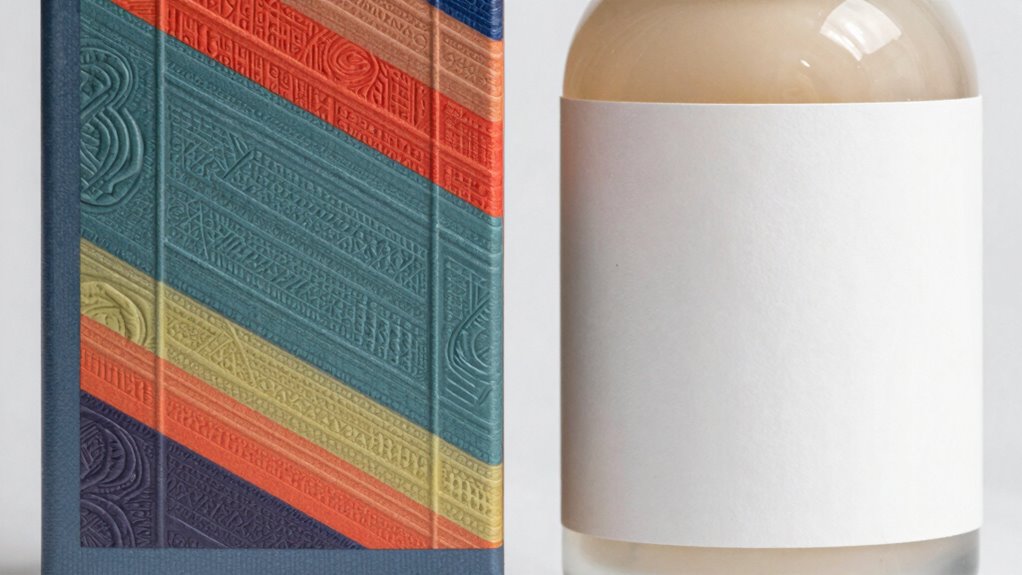
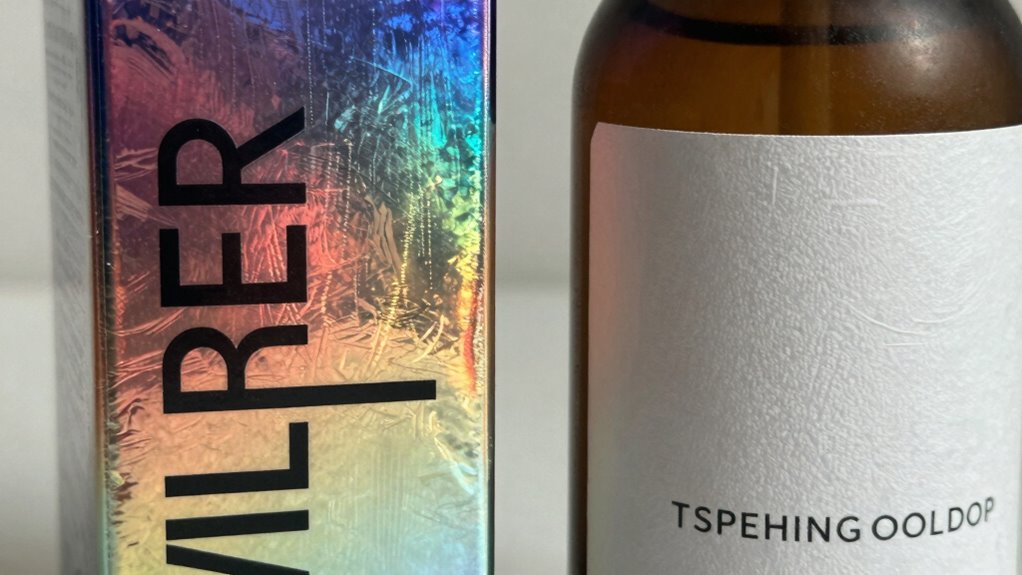
When choosing between box labels and bottle labels, understanding their differences can help you make the best decision for your product. These differences aren’t just about appearance—they influence how the labels are applied, how long they last, and the printing techniques used to create them. Label durability plays a significant role here. Box labels typically face less exposure to moisture, handling, and friction, so they can often be made with standard materials. Bottle labels, however, must withstand constant contact with liquids, condensation, and sometimes rough handling, requiring more resilient materials like waterproof vinyl or polyester. This durability ensures your label stays intact and legible over time, maintaining your product’s professional look. Selecting the appropriate label material is crucial to ensure compatibility with your packaging and environmental conditions.
Printing techniques are another key factor that varies between the two. For box labels, you can often utilize a wider range of printing options, including offset, flexography, and digital printing. These methods allow for high-resolution images and vibrant colors, which are perfect for eye-catching designs on boxes. Bottle labels, on the other hand, demand printing methods that align with their material and exposure conditions. Digital printing and heat transfer are common because they can produce durable, waterproof images that won’t smudge or peel easily. The choice of printing technique directly impacts label quality, cost, and production speed, so you need to match your method to your product’s needs.
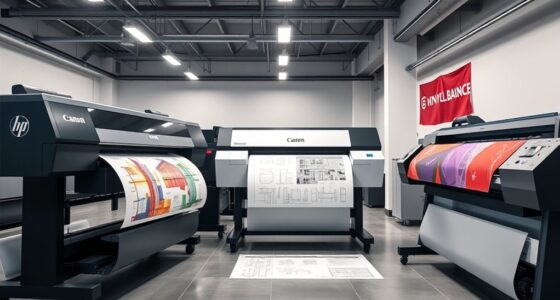
The applicator systems differ greatly as well. You’ll find that applying box labels often involves straightforward processes like pressure-sensitive or adhesive-backed labels that can be easily affixed with manual or automated applicators. Bottle labels, however, require specialized equipment such as wrap-around or sleeve applicators to ensure the label fits tightly around the curved surface. The shape and size of your packaging influence the choice of applicator, which in turn affects your production line’s speed and efficiency. Additionally, the selection of label materials plays a crucial role in ensuring proper adhesion and durability during the application process. Choosing the right applicator system is essential for maintaining high production efficiency and minimizing waste during labeling.
In short, selecting between box labels and bottle labels isn’t just about visual appeal—it’s about matching the right label type with your product’s environment, durability needs, and production process. By understanding how label durability and printing techniques differ, you can choose the right labeling approach that ensures your product looks professional, stays intact, and meets your manufacturing demands. This knowledge helps you avoid costly mistakes and ensures your branding remains consistent and effective across different packaging types.
waterproof bottle label applicator
As an affiliate, we earn on qualifying purchases.
As an affiliate, we earn on qualifying purchases.
Frequently Asked Questions
How Do Environmental Factors Affect Label Durability on Boxes and Bottles?
Environmental factors are vital in affecting label durability on boxes and bottles. Humidity effects can cause labels to peel or bubble if moisture penetrates, especially on cardboard boxes. UV resistance is essential for bottles exposed to sunlight; labels without it fade or deteriorate quickly. You should choose labels with strong UV coatings and materials that resist humidity, ensuring they stay intact and legible despite changing environmental conditions.
Are There Specific Regulations for Labeling Different Product Types?
Yes, there are specific regulations for labeling different product types. You need to follow regulatory compliance and adhere to labeling standards set by agencies like the FDA, EPA, or OSHA, depending on your product. These regulations ensure proper ingredient disclosure, safety warnings, and usage instructions. Failing to guarantee can lead to fines or product recalls. Always stay updated on industry-specific rules to make certain your labels meet all legal requirements.
What Are the Cost Differences Between Box and Bottle Labeling?
Like comparing a finely tailored suit to casual wear, box labeling usually costs more than bottle labeling. You’ll find the cost comparison favors bottles due to simpler application processes and less material use, reducing labeling expenses. Boxes often require more intricate designs and sturdier materials, which bump up costs. So, if you’re mindful of budget, bottles generally offer a more economical choice, saving you money on overall labeling expenses.
How Does Label Placement Impact Product Branding?
Label placement greatly impacts your product branding by enhancing brand visibility and shaping consumer perception. Strategic positioning grabs attention on shelves, making your product stand out. When labels are well-placed, they communicate quality and trust, influencing buying decisions. Poor placement can diminish brand visibility and lead to negative perceptions. So, carefully consider where you put your labels to guarantee they effectively attract consumers and reinforce your brand’s image.
Can Labels on Boxes and Bottles Be Customized for Special Purposes?
Think of labels as your product’s wardrobe—yes, they can be customized for special purposes. You have a variety of customization options, from unique shapes to special finishes, perfect for branding or regulatory needs. Whether on boxes or bottles, special purpose labeling lets you tailor the design and functionality to your goals. This guarantees your product stands out and communicates the right message, no matter the packaging type.
wrap-around label applicator for bottles
As an affiliate, we earn on qualifying purchases.
As an affiliate, we earn on qualifying purchases.
Conclusion
So, next time you reach for a box or a bottle, remember how their labels tell different stories. Applicators are tailored to each, much like a trusty knight’s armor adapts to the battlefield. Whether it’s a sleek bottle or a sturdy box, understanding these differences helps you apply with confidence. It’s like knowing the secret handshake of the packaging world — a little detail that makes all the difference in your everyday routine.
As an affiliate, we earn on qualifying purchases.
label printing equipment for bottles
As an affiliate, we earn on qualifying purchases.
As an affiliate, we earn on qualifying purchases.
Fall Picks
fall essentials
As an affiliate, we earn on qualifying purchases.