
TL;DR

Get business pricing on monitors, keyboards and dev gear
- Business-only prices and quantity discounts
- Tax-exempt purchasing
- Multiple users, one account, clear invoices
The OVMS open source platform for electric vehicle remote monitoring and control has announced new features, including advanced diagnostics, scripting, and integration options. This development enhances EV diagnostics and customization, with confirmed technical capabilities. Details about broader adoption and specific vehicle compatibility remain to be clarified.
OVMS, an open source electric vehicle telemetry platform, has announced a major update that expands its remote monitoring, diagnostics, and control capabilities for EV owners and developers.
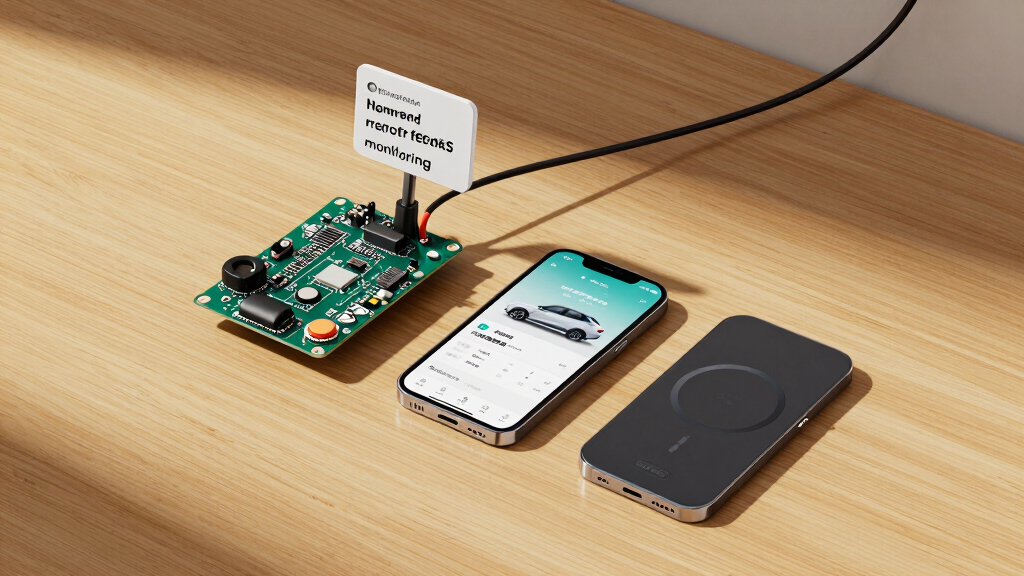
OVMS provides live tracking of vehicle metrics such as state of charge, temperatures, tyre pressures, and fault conditions. The platform now supports advanced scripting, allowing users to interface with external charge control systems, modify tuning parameters, and automate vehicle functions. It features a web app for remote control on Android and iOS devices, along with MQTT integration for home automation and data logging to SD cards and servers.
Confirmed features include multi-CAN bus support, a configurable OBD2 translator, CAN tools, and SSH/WebSocket access for streaming and injecting CAN frames. The platform also offers push notifications for critical events like battery faults or theft alerts, and enables users to add custom features without regional restrictions, maintaining control over personal data.
Why It Matters
This development matters because it significantly enhances the customization, diagnostics, and control options for electric vehicle owners and enthusiasts. By open sourcing these capabilities, OVMS lowers barriers for innovation and can potentially improve vehicle maintenance and security. The platform’s flexibility and scripting support could influence how EVs are monitored and managed outside traditional manufacturer systems.
As an affiliate, we earn on qualifying purchases.
Background
OVMS has been an open source project for several years, enabling EV owners to monitor and control their vehicles remotely. Its latest update aligns with broader trends towards vehicle digitalization and customization. The platform’s ability to integrate with home automation, provide detailed diagnostics, and support scripting positions it as a versatile tool for EV enthusiasts and developers. Its development reflects ongoing community efforts to democratize vehicle data access and control, contrasting with proprietary telematics systems.
“Our latest update empowers users with deeper diagnostics, scripting, and control options, making EV management more flexible and customizable.”
— OVMS development team
“By open sourcing these features, we aim to foster innovation and give EV owners more control over their vehicles’ data and functionality.”
— Open Vehicles project lead
As an affiliate, we earn on qualifying purchases.
What Remains Unclear
It is not yet clear how widely adopted these new features will be across different vehicle models or how OEMs might respond to increased third-party control. Details about specific vehicle compatibility and potential limitations of scripting and control features are still emerging.
As an affiliate, we earn on qualifying purchases.
What’s Next
Next steps include broader testing by the community, potential integration with additional vehicle models, and further development of scripting and automation capabilities. The OVMS team may also release updated documentation and user guides to facilitate adoption.
electric vehicle telemetry system
As an affiliate, we earn on qualifying purchases.
As an affiliate, we earn on qualifying purchases.
Key Questions
Can OVMS control all electric vehicles?
OVMS supports a range of EVs via CAN bus and OBD2 interfaces, but compatibility depends on vehicle make and model. Details are available on their documentation.
Is using OVMS legal and safe?
Using OVMS is intended for personal use by knowledgeable owners. Users should ensure compliance with local laws and understand the risks involved in modifying vehicle systems.
Will this open source platform affect vehicle warranties?
Modifying vehicle systems with third-party tools like OVMS may impact warranties. Owners should consult their vehicle manufacturer before use.
How does OVMS improve vehicle diagnostics?
It provides detailed real-time data, fault alerts, and scripting capabilities to automate diagnostics and control functions beyond standard manufacturer offerings.
Fall Picks
fall essentials
As an affiliate, we earn on qualifying purchases.