
TL;DR

Get business pricing on monitors, keyboards and dev gear
- Business-only prices and quantity discounts
- Tax-exempt purchasing
- Multiple users, one account, clear invoices
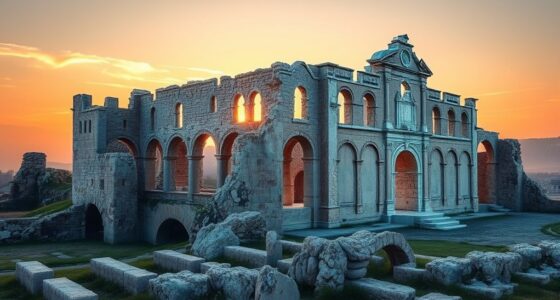
Image-blaster is a new AI-powered tool that creates complete 3D environments, meshes, and sound effects from a single image. It aims to streamline 3D content generation for developers and artists, taking less than five minutes to produce detailed assets.
Developers at World Labs and FAL have introduced image-blaster, an AI-powered tool that transforms a single image into a detailed 3D environment, complete with meshes and sound effects, in under five minutes. This innovation aims to significantly accelerate 3D content creation for game developers, artists, and architects.
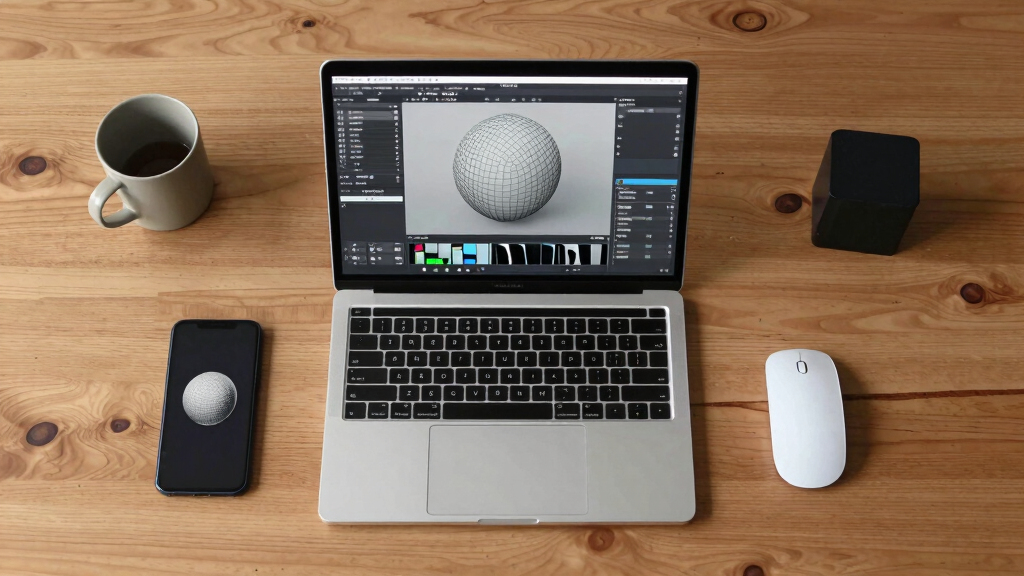
Image-blaster leverages AI models, including Hunyuan 3D, ElevenLabs SFX, and custom image editing tools, to generate 3D models (.glb, .obj), static environment meshes (.spz), and ambient sound effects (.mp3) from a single input image. Users start by placing an image in a designated directory, then use a command-line interface to run the process, which involves interacting with Claude AI and APIs from World Labs and FAL.
The tool supports various extensions, allowing integration with popular game engines like Unity, Unreal, and Godot, as well as 3D software such as Blender, 3DS Max, and Maya. It offers parameters for face count, PBR material generation, polygon type, and model complexity, enabling customization of output assets.
Why It Matters
This development matters because it could drastically reduce the time and expertise needed to produce detailed 3D environments, opening new opportunities for rapid prototyping, game development, architectural visualization, and virtual reality content creation. By automating complex modeling and environment generation, image-blaster could democratize access to high-quality 3D assets.
3D modeling software for game development
As an affiliate, we earn on qualifying purchases.
As an affiliate, we earn on qualifying purchases.
Background
Traditional 3D modeling is resource-intensive, often requiring skilled artists and hours of work. Recent advances in AI have begun to automate parts of this process, but most tools still demand multiple images or detailed inputs. Image-blaster’s approach of generating comprehensive 3D assets from a single image represents a significant step forward, leveraging recent AI models and APIs to streamline workflows. The project is part of a broader trend toward AI-assisted content creation in digital media.
“Image-blaster can produce a fully meshed 3D environment in less than five minutes from a single image, dramatically accelerating content creation workflows.”
— World Labs Team
“Our AI models, including Hunyuan and ElevenLabs, enable highly customizable and detailed environment generation, suitable for various applications.”
— FAL Developer
AI-powered 3D environment generator
As an affiliate, we earn on qualifying purchases.
As an affiliate, we earn on qualifying purchases.
What Remains Unclear
It is not yet clear how well image-blaster performs with complex or highly detailed images, or how it handles different styles and textures. The accuracy and quality of generated assets may vary depending on input images and user parameters. Additionally, the extent of its integration capabilities with existing workflows remains to be fully tested.
3D asset creation tools for Blender
As an affiliate, we earn on qualifying purchases.
As an affiliate, we earn on qualifying purchases.
What’s Next
Next steps include broader testing by developers and artists, potential updates to improve output quality, and official release of user-friendly interfaces. Further development may focus on expanding supported input types, refining customization options, and integrating with more software platforms.
sound effects for 3D environments
As an affiliate, we earn on qualifying purchases.
As an affiliate, we earn on qualifying purchases.
Key Questions
Can image-blaster generate environments from any image?
It can generate environments from a wide range of images, but the quality may vary depending on the complexity and detail of the input image.
What software or platforms can I use image-blaster with?
It can be embedded into game engines like Unity, Unreal, and Godot, as well as DCC tools such as Blender, 3DS Max, and Maya, and can also be used in web applications via Three.js or Electron.
Is the output customizable?
Yes, users can adjust parameters such as face count, model complexity, polygon type, and material generation settings to tailor the results to their needs.
How long does it take to generate assets?
Under ideal conditions, the process takes less than five minutes from input to final assets.
Halloween Picks
halloween
As an affiliate, we earn on qualifying purchases.